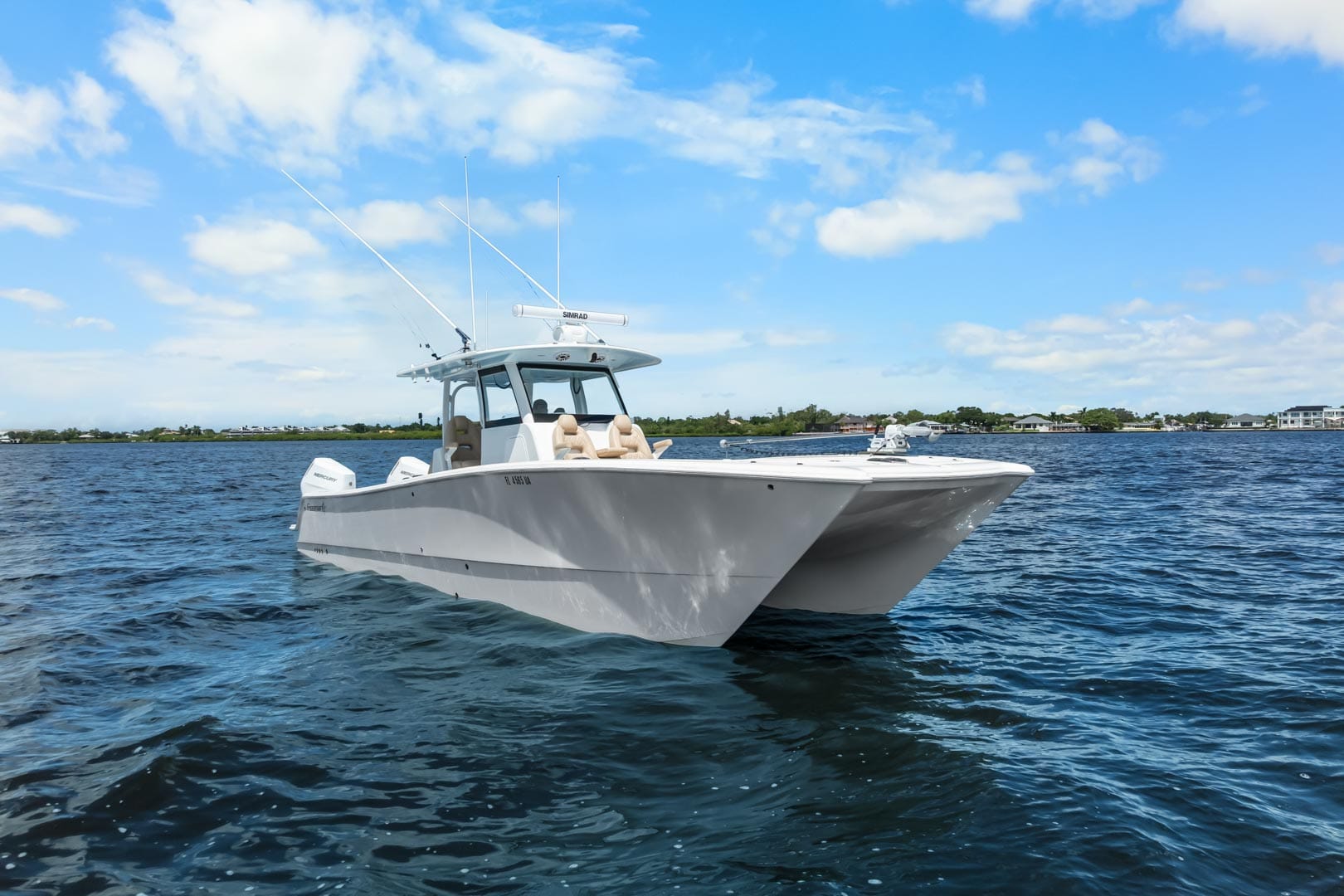
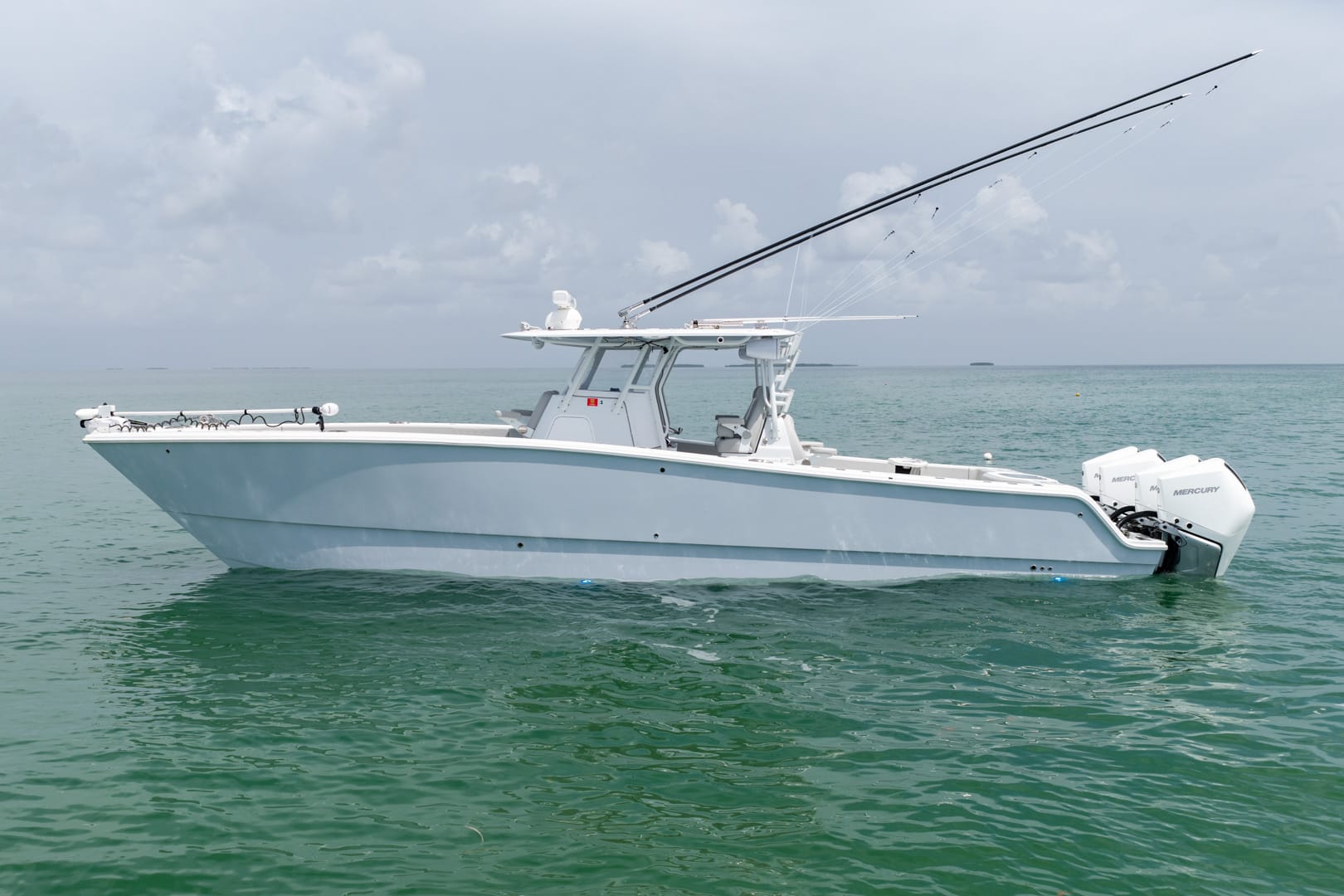
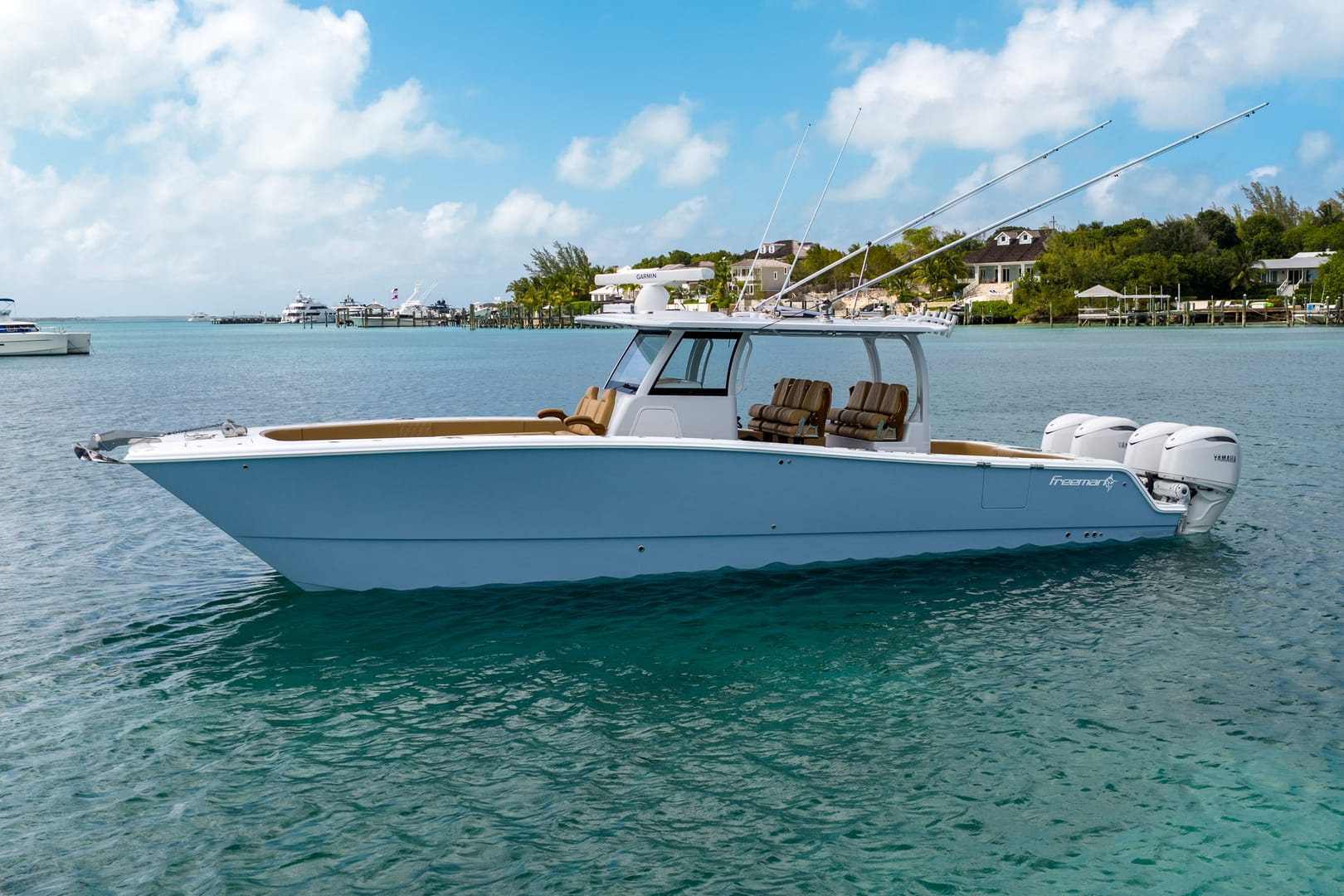
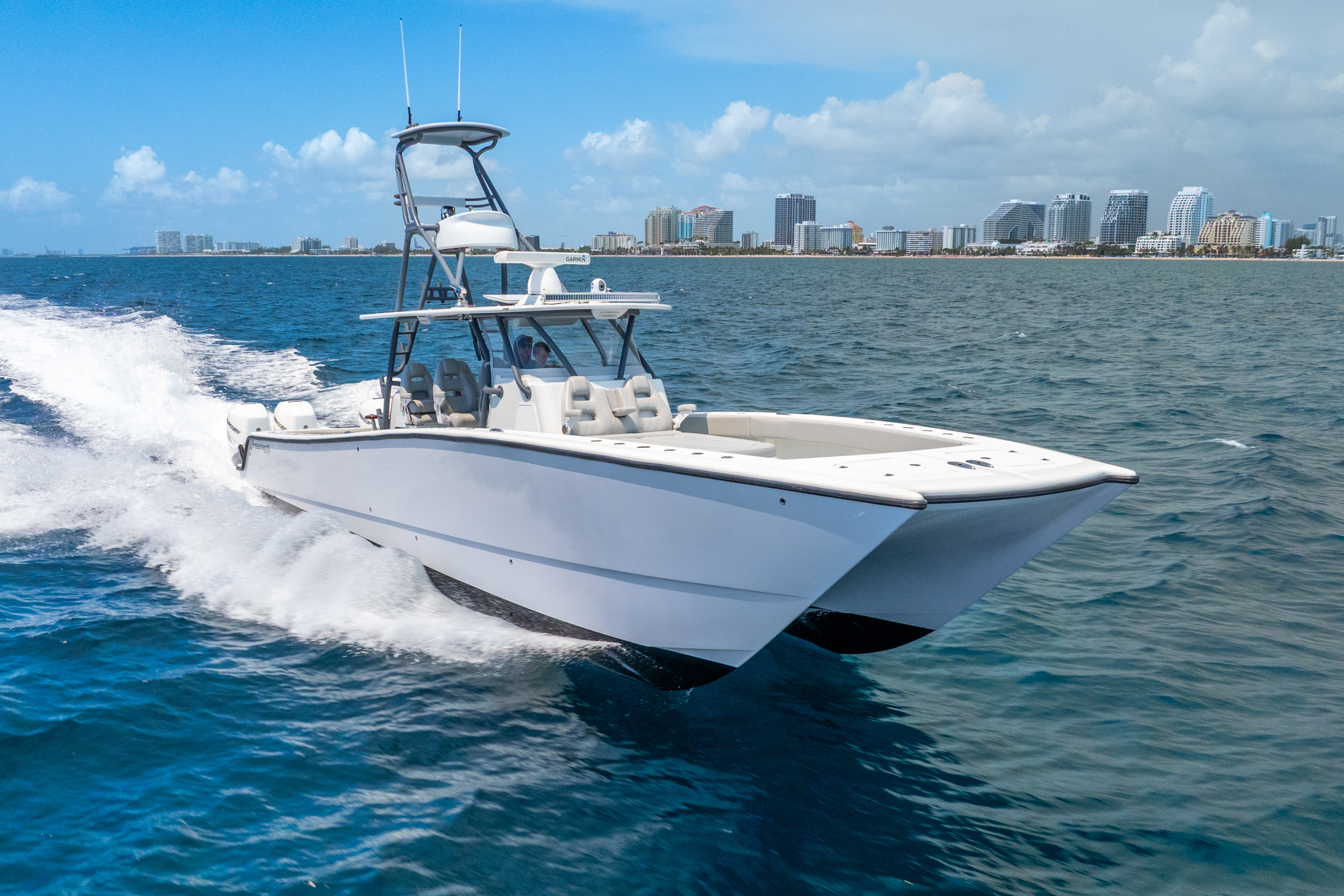
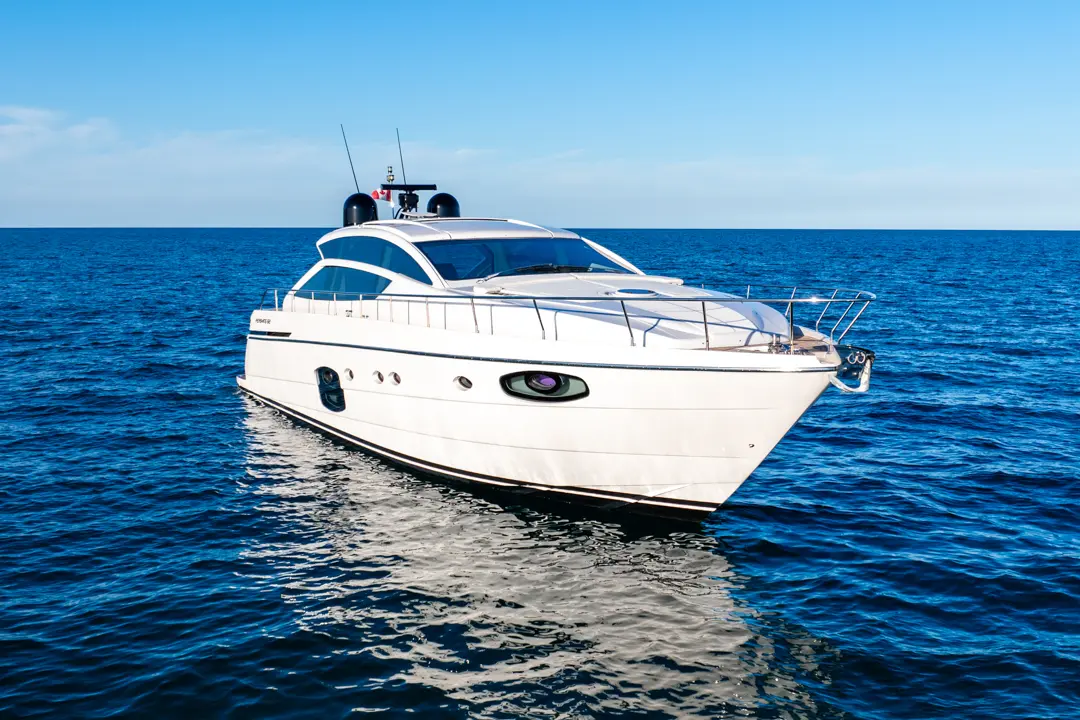
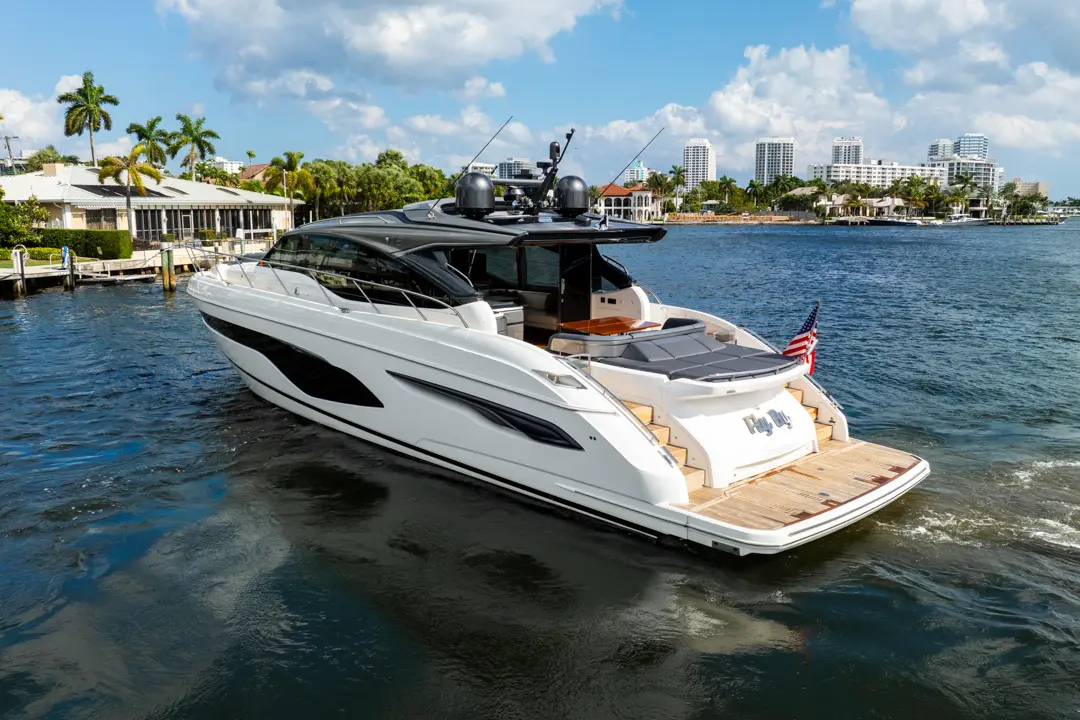
The amount of time a yacht can stay at sea depends on several factors, including fuel capacity, freshwater storage, food supplies, crew size, and the type of yacht. Some smaller recreational yachts may only be designed for a few days offshore, while larger expedition yachts can remain at sea for weeks or even months without returning to port.
Fuel capacity is the biggest limitation
The primary factor determining how long a yacht can remain offshore is fuel. Most yachts rely on diesel engines, and their range depends heavily on how much fuel they carry and how efficiently they cruise.
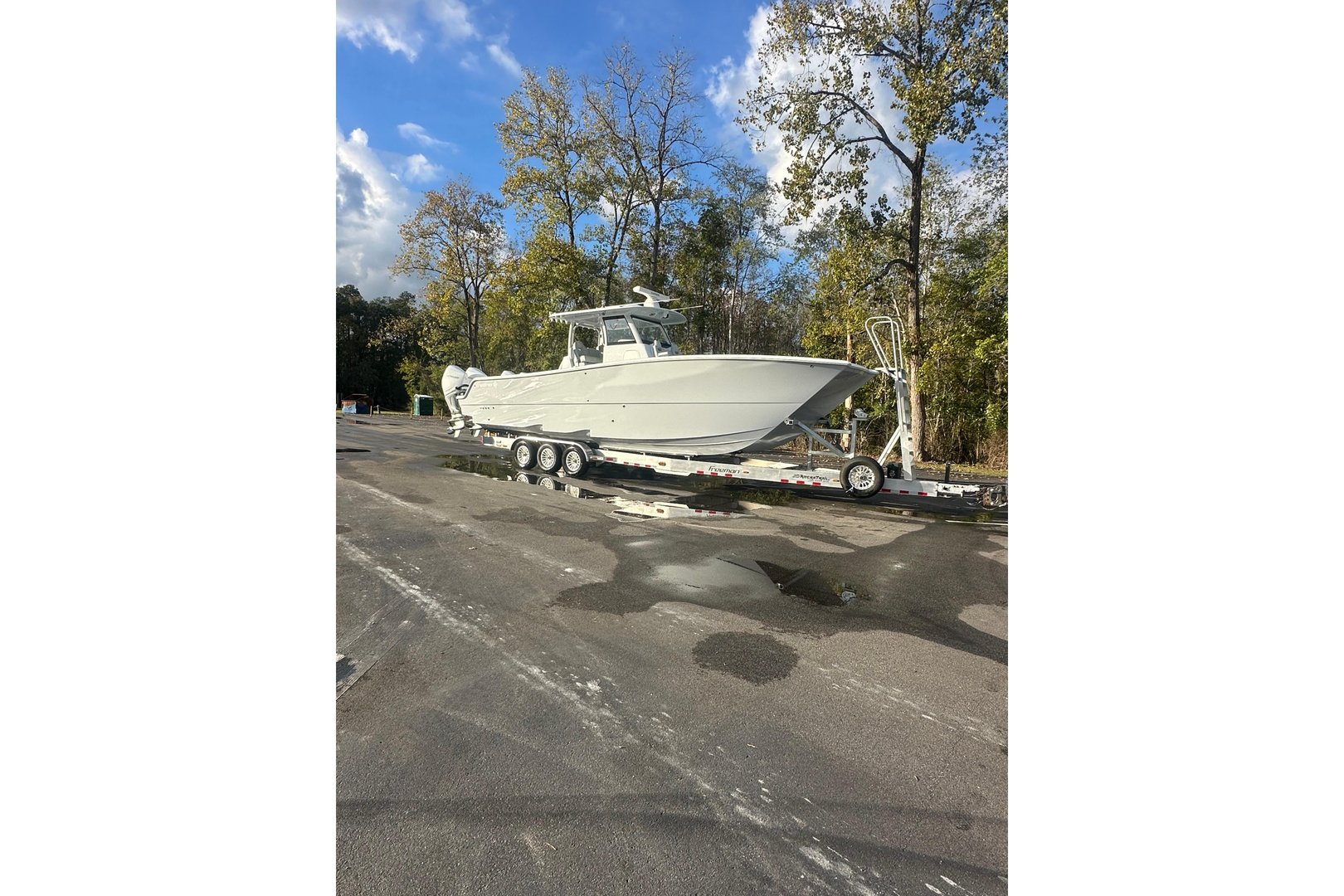
For example, a typical 50-foot yacht may have a range of around 300 to 600 nautical miles, which could translate to several days of travel depending on cruising speed.
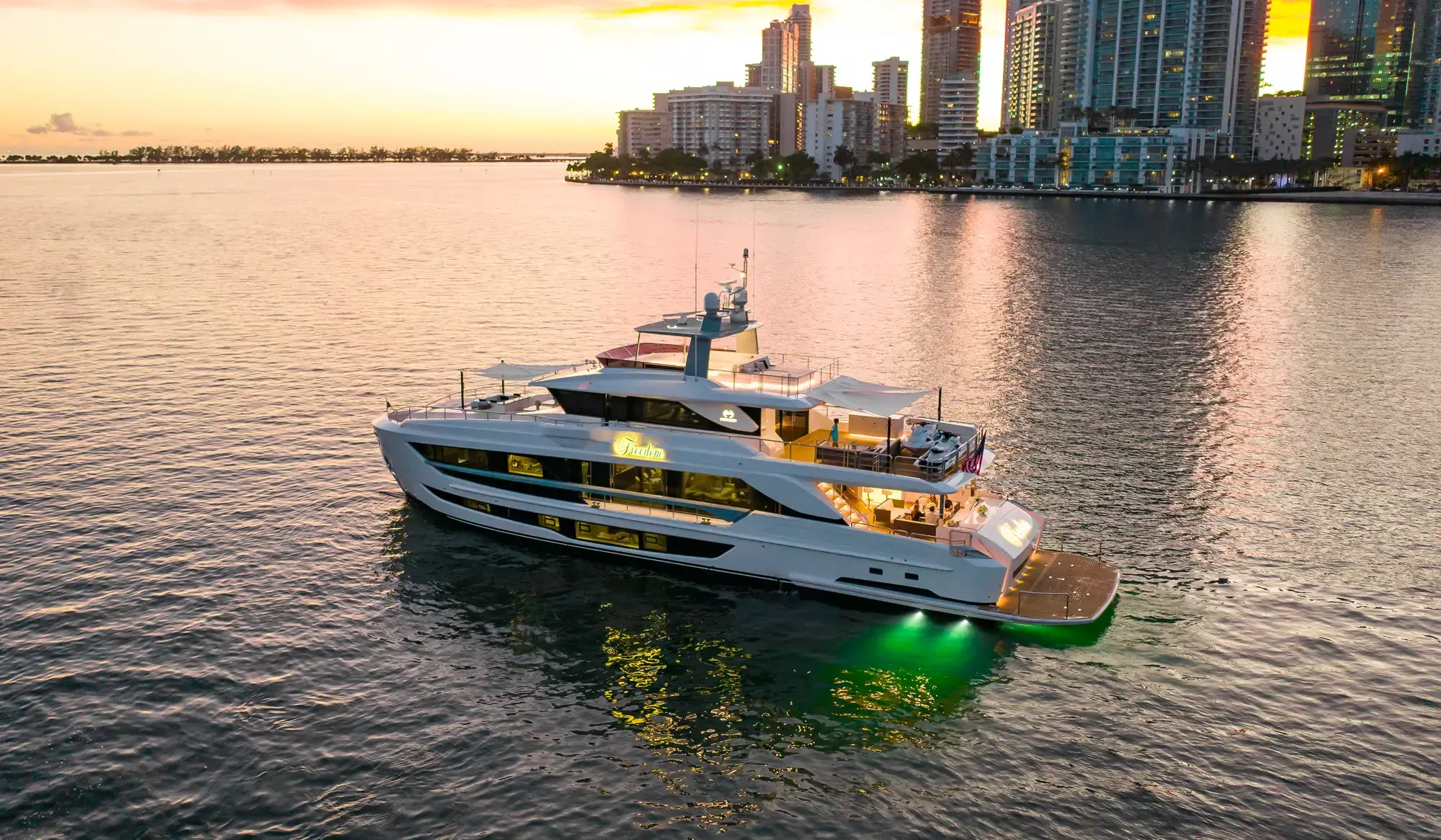
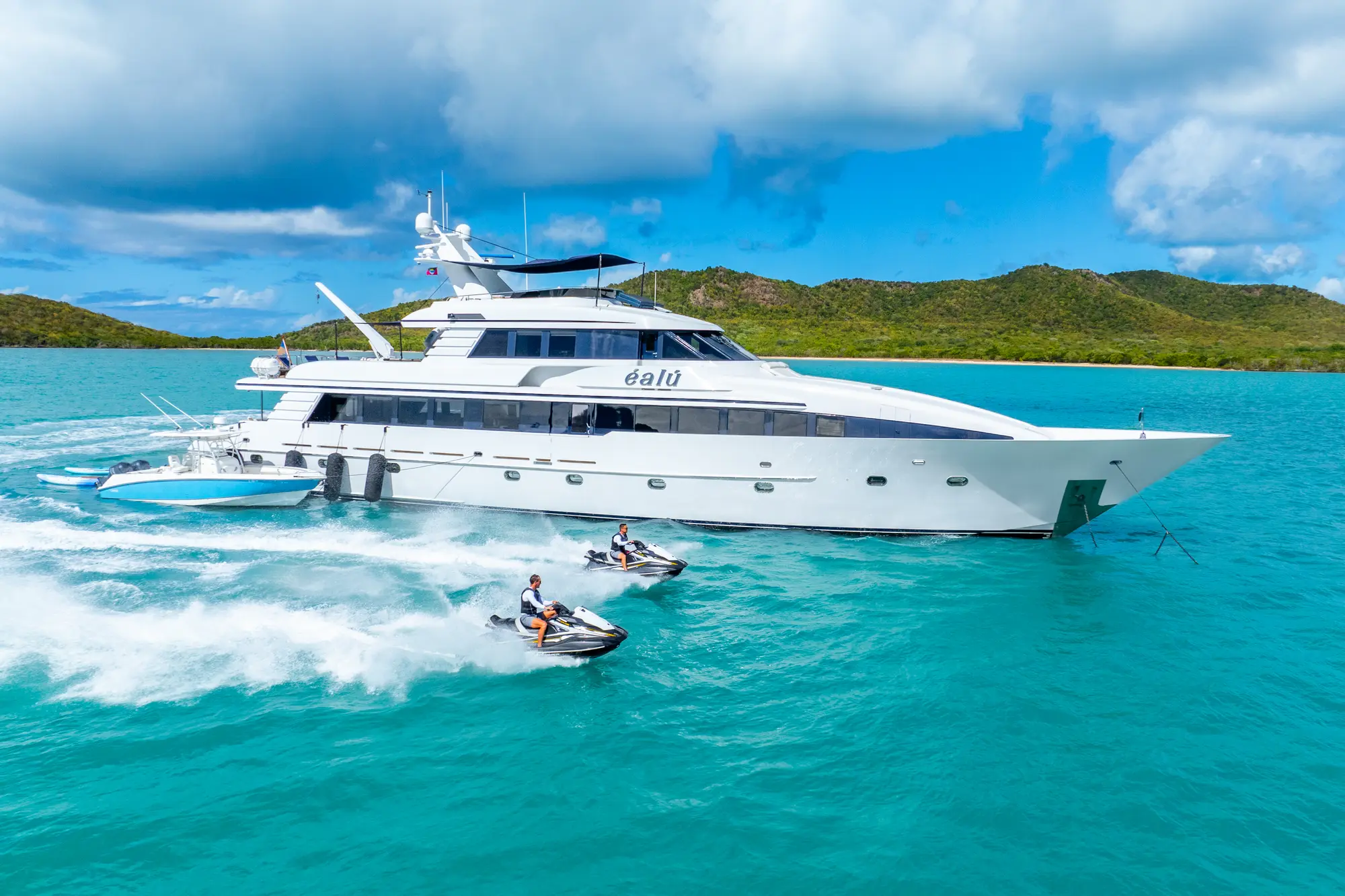
Larger expedition yachts can carry massive fuel tanks and may achieve ranges of 3,000 to 6,000 nautical miles, allowing them to cross oceans without refueling.
Freshwater and supplies also matter
Even if a yacht has enough fuel, freshwater and food supplies can limit how long a trip lasts. Many yachts carry water tanks for showers, cooking, and cleaning.
However, modern yachts often include watermakers, which convert seawater into freshwater. This system allows vessels to stay offshore far longer because water can be generated onboard.
Crew endurance and comfort
Human factors are another important limitation. Crew and guests need rest, food, and safe living conditions. Long passages can be physically demanding, especially on smaller yachts without stabilizers or comfortable sleeping arrangements.
Larger yachts with multiple cabins, professional crew, and advanced stabilization systems are better suited for extended voyages.
Typical timeframes for different yachts
The time a yacht can remain at sea varies widely depending on size and purpose.
- 30–40 foot yachts: A few days to a week
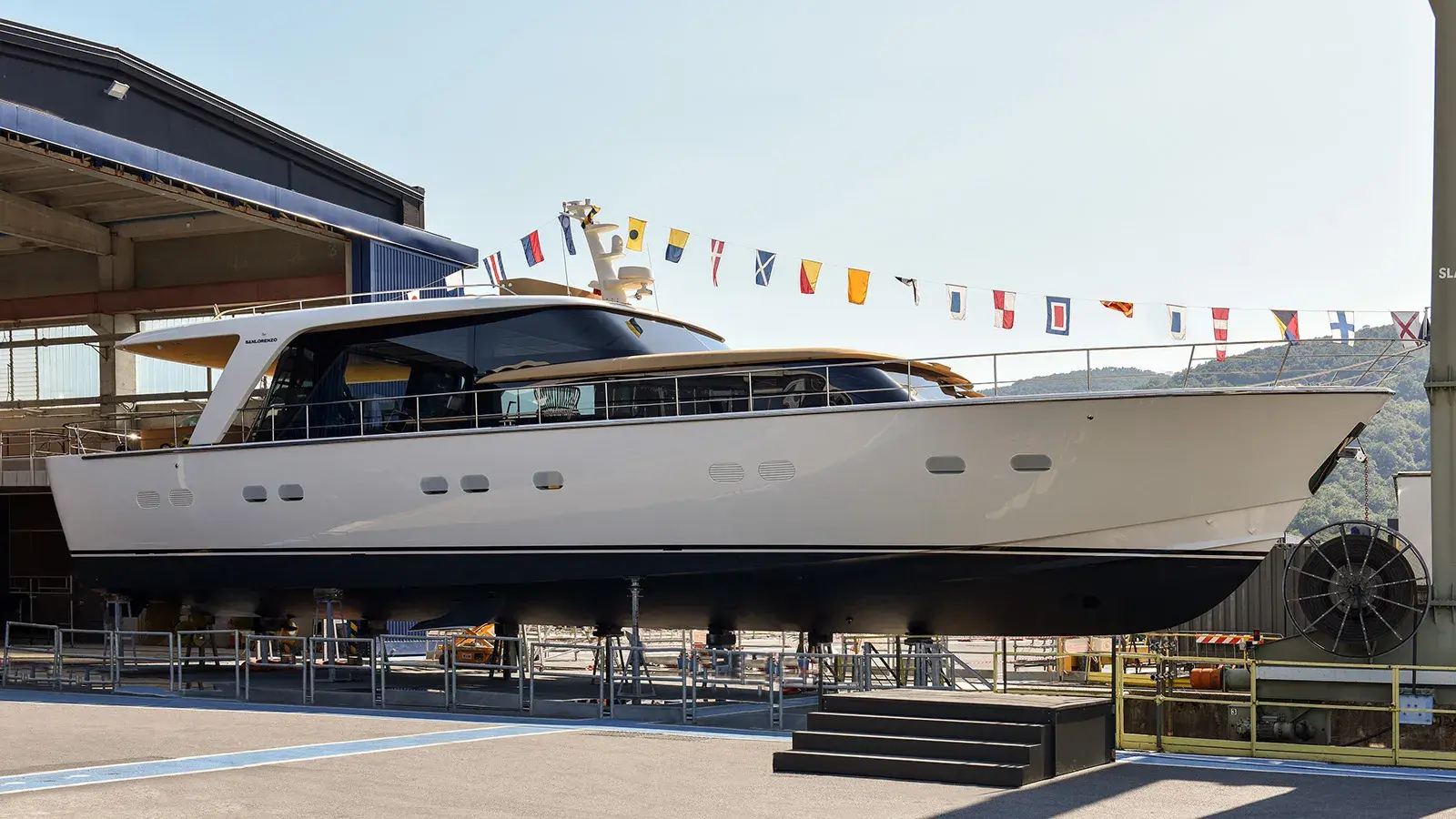
- 50–70 foot yachts: One to two weeks with planning
- Expedition yachts (80+ feet): Several weeks or longer
Crossing oceans by yacht
Many yachts are capable of crossing oceans. Routes such as the Atlantic crossing between Europe and the Caribbean are common among experienced crews. These voyages typically take around 10 to 20 days depending on the vessel and conditions.
Boats designed specifically for long-distance cruising often carry additional fuel tanks, spare parts, and provisions to support these journeys safely.
Weather and safety considerations
Weather plays a major role in determining how long a yacht stays offshore. Storm systems, sea state, and navigation challenges can all affect voyage planning.
Even yachts capable of long range will typically plan stops along the way for fuel, supplies, and safety checks.
Final thoughts
A yacht’s time at sea depends largely on its design and onboard resources. Smaller yachts may only stay offshore for a few days, while large expedition vessels can remain at sea for weeks or even months.
With careful planning, proper equipment, and experienced crew, modern yachts are capable of traveling incredible distances across the world’s oceans.