One of the most common questions buyers ask is simple: how long will the engines last? The answer depends on engine type, maintenance habits, usage patterns, and environment. There is no single number, but there are realistic ranges you should understand before buying.
Average lifespan of outboard engines
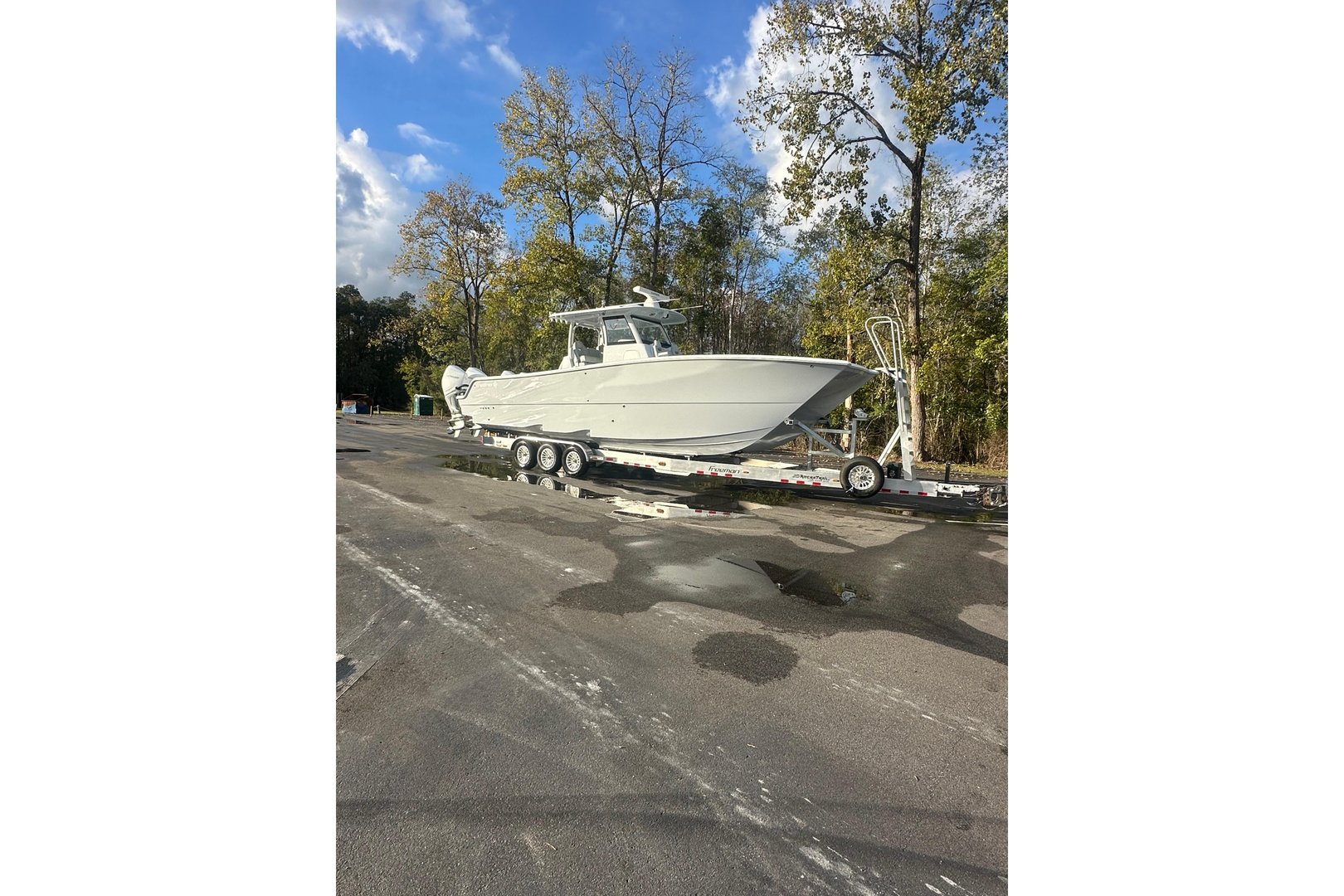
Modern four-stroke outboards are far more reliable than older generations. With proper maintenance, most quality outboards today last:
- 1,500 to 2,000 hours under normal recreational use
- 2,500+ hours with excellent maintenance and light loading
Commercial operators sometimes push well beyond that, but recreational buyers typically start considering rebuild or replacement around the 2,000-hour mark.
Average lifespan of inboard engines
Inboard diesel engines tend to last longer than gasoline engines, especially in larger yachts.
- Gas inboards: 1,200 to 1,800 hours on average
- Diesel inboards: 3,000 to 5,000+ hours with proper care
High-quality marine diesels can last decades if maintained correctly. Hour count alone does not determine condition.
Hours matter, but maintenance matters more
Buyers often focus on engine hours, but hours tell only part of the story. A 1,200-hour engine with consistent service records may be safer than a 500-hour engine that sat unused for years.
Engines are designed to run. Long periods of inactivity can cause fuel issues, corrosion, and seal failures.
Saltwater vs freshwater use
Boats operated in saltwater environments typically experience more corrosion. Proper flushing and corrosion prevention are critical.
Freshwater boats often show less corrosion but can still suffer from neglect if maintenance is inconsistent.
How usage affects engine life
How an engine is used matters just as much as how often.
- Running consistently at wide-open throttle reduces lifespan
- Regular cruising at moderate RPM extends engine health
- Overloading the boat stresses components
Smart operators balance performance with mechanical sympathy.
Signs an engine may need replacement
Engine replacement is not always triggered by a specific hour count. Warning signs include:
- Excessive oil consumption
- Repeated overheating issues
- Metal in oil analysis reports
- Compression loss
- Frequent electrical failures
Rebuild vs replace
In some cases, engines can be rebuilt rather than replaced. This is more common with inboard diesels than with high-performance outboards.
Replacement costs vary widely depending on engine size and configuration. Buyers should always factor potential repower costs into used boat purchases.
What buyers should look for
When evaluating a boat, focus on:
- Complete service records
- Compression test results
- Engine diagnostic reports
- Oil analysis history
- Sea trial performance
Documentation and transparency are often more important than raw hour numbers.
Final thoughts
Boat engines can last thousands of hours when maintained properly. For recreational boaters, many engines will outlast ownership if cared for consistently.
The smartest approach is simple: buy based on condition and maintenance history, not just hour count. A well-maintained engine is far more valuable than a low-hour engine with unknown history.