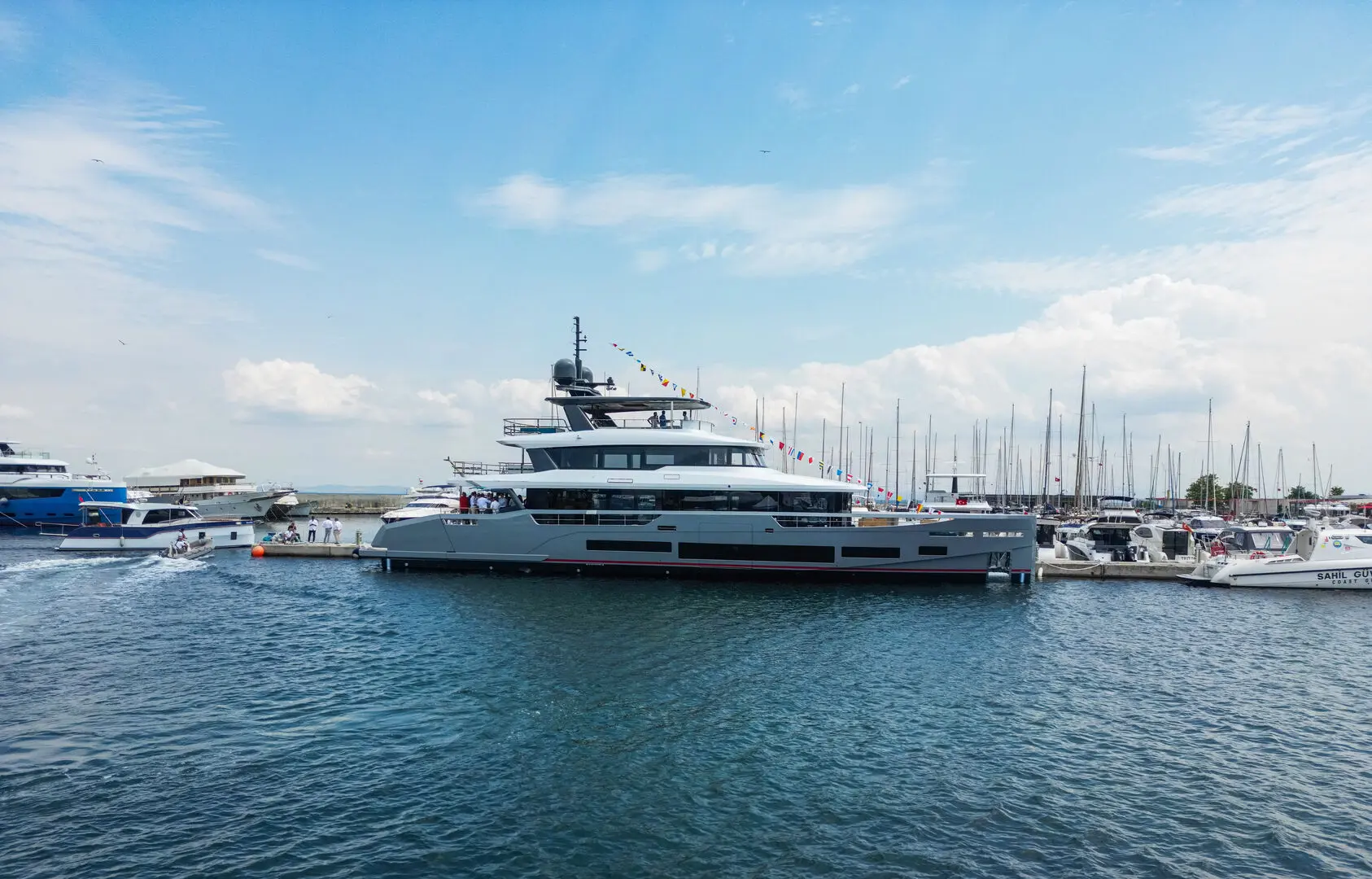
Yacht maintenance is not something that happens once in a while. It is a continuous process that depends on how often the boat is used, where it is kept, and how complex its systems are. One of the biggest mistakes new owners make is assuming maintenance is seasonal rather than ongoing.
Routine maintenance happens year-round
Most yachts require some level of attention throughout the year, even if they are not being used heavily. Systems age whether the boat is moving or sitting at the dock.
Basic routine maintenance includes washdowns, inspections, fluid checks, battery monitoring, and system testing. These tasks are typically done weekly or bi-weekly on actively used boats.
Monthly maintenance checks
Monthly checks help catch small problems before they turn into expensive repairs. This is especially important for yachts kept in saltwater.
- Inspect engines and generators for leaks or corrosion
- Check bilge pumps and float switches
- Test electronics and navigation systems
- Inspect hoses, belts, and clamps
- Run air conditioning and water systems
Seasonal maintenance requirements
Seasonal service varies depending on climate and boating location. In warm-water regions, maintenance is spread evenly across the year. In colder climates, boats may require winterization and spring recommissioning.
Seasonal tasks often include oil changes, filter replacements, cooling system service, and inspection of running gear and steering systems.
Annual maintenance is non-negotiable
Every yacht needs a comprehensive annual service. Skipping yearly maintenance almost always leads to higher costs later.
- Engine and generator service
- Bottom inspection and cleaning
- Safety equipment inspections
- Electrical system testing
- Hull, deck, and hardware inspection
Haul-outs and underwater work
Most yachts require a haul-out every 12 to 24 months, depending on usage and location. This allows for bottom paint, propeller and shaft inspection, zinc replacement, and hull evaluation.
Boats kept in warm, fouling-heavy water often require more frequent haul-outs than boats stored in dry racks or cooler climates.
Long-term and major service intervals
Some maintenance tasks occur on multi-year cycles rather than annually.
- Stabilizer service every 3–5 years
- Major engine service based on hours or years
- Air conditioning and refrigeration overhauls
- Electronics upgrades as systems age
Usage affects maintenance frequency
A yacht that runs frequently will need more frequent service but may actually experience fewer major failures than a boat that sits unused. Systems are designed to be used, not idle.
Boats that sit for long periods often suffer from fuel issues, corrosion, battery failure, and system leaks. Light but consistent use combined with regular maintenance is usually the healthiest pattern.
Why preventative maintenance matters
Preventative maintenance costs less than emergency repairs. Regular inspections allow owners to fix wear items before they cause collateral damage.
Boats that follow a preventative schedule tend to be more reliable, safer offshore, and easier to sell when the time comes.
Final thoughts
Yachts need maintenance year-round, not just once a season. Weekly checks, monthly inspections, annual services, and scheduled long-term maintenance all work together to keep a yacht reliable and valuable.
The owners who enjoy their boats the most are usually the ones who stay ahead of maintenance rather than reacting to problems after they appear.