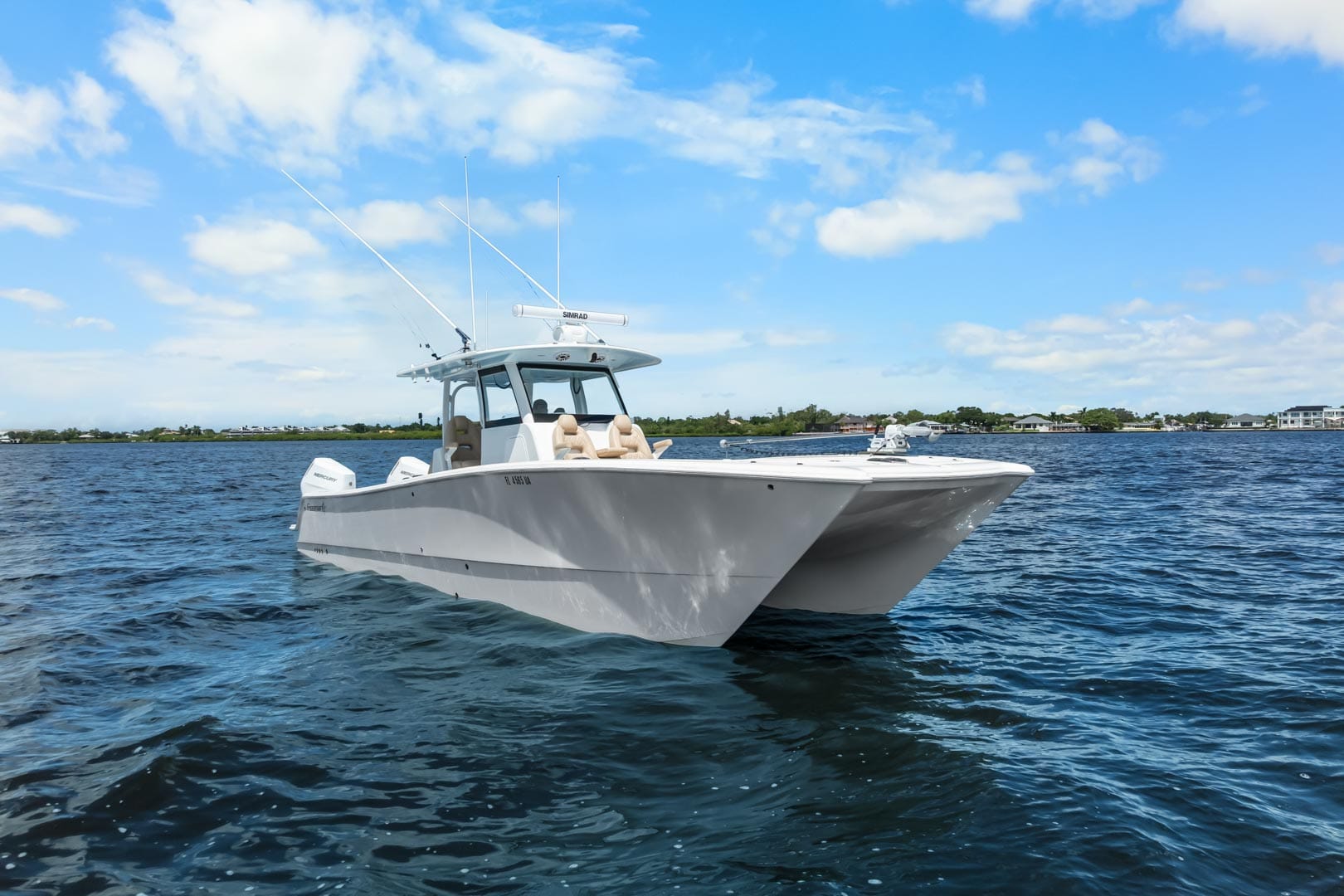
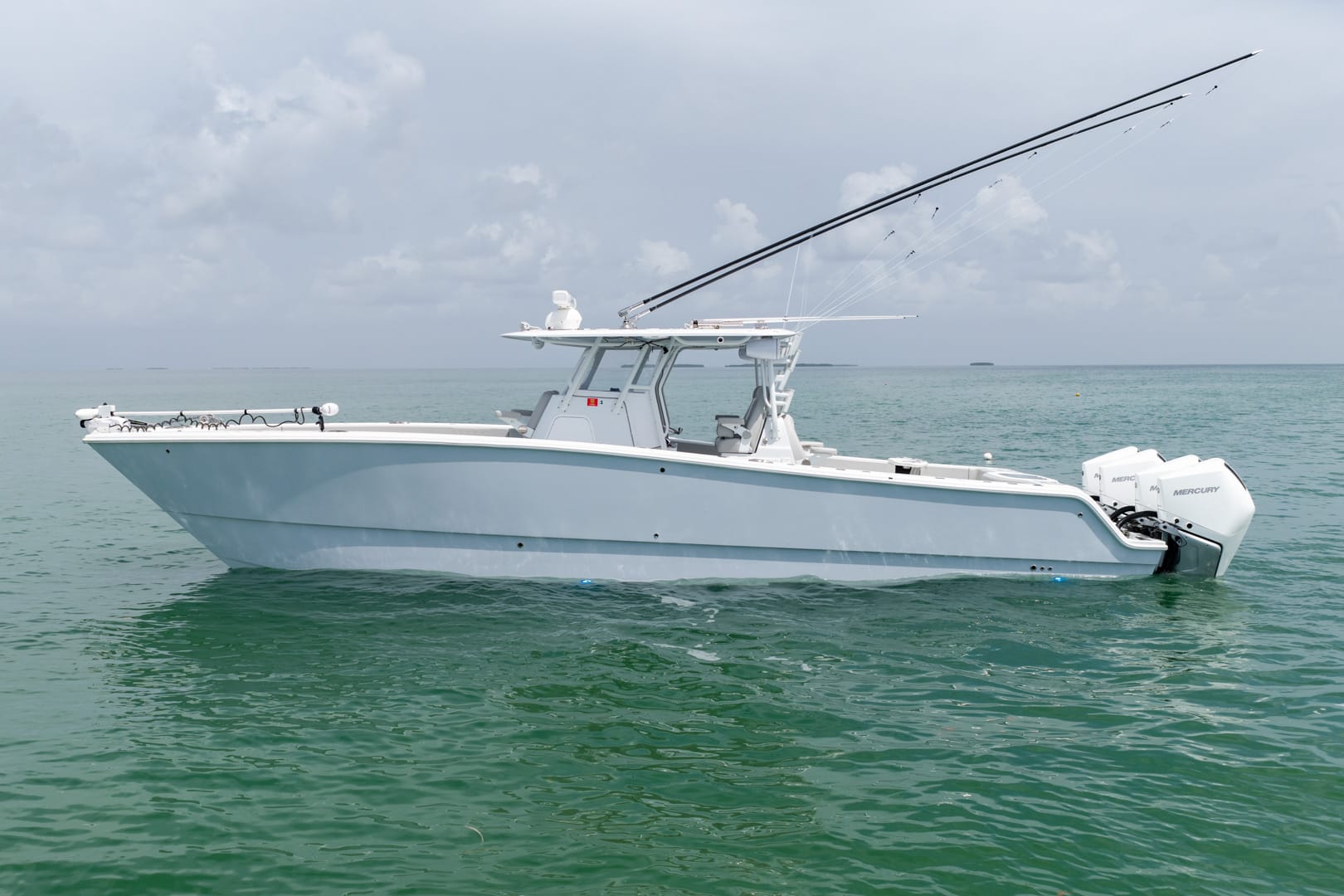
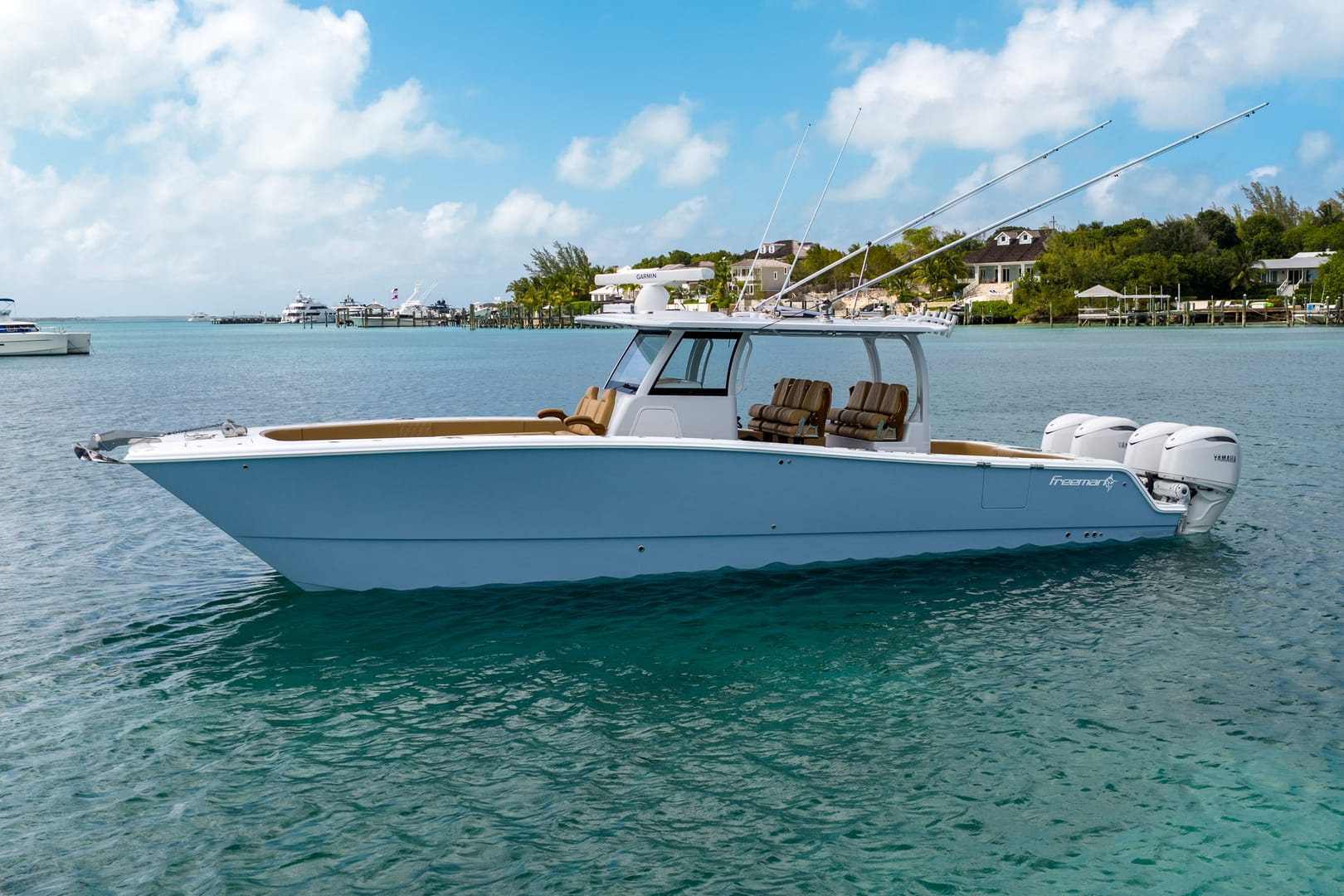
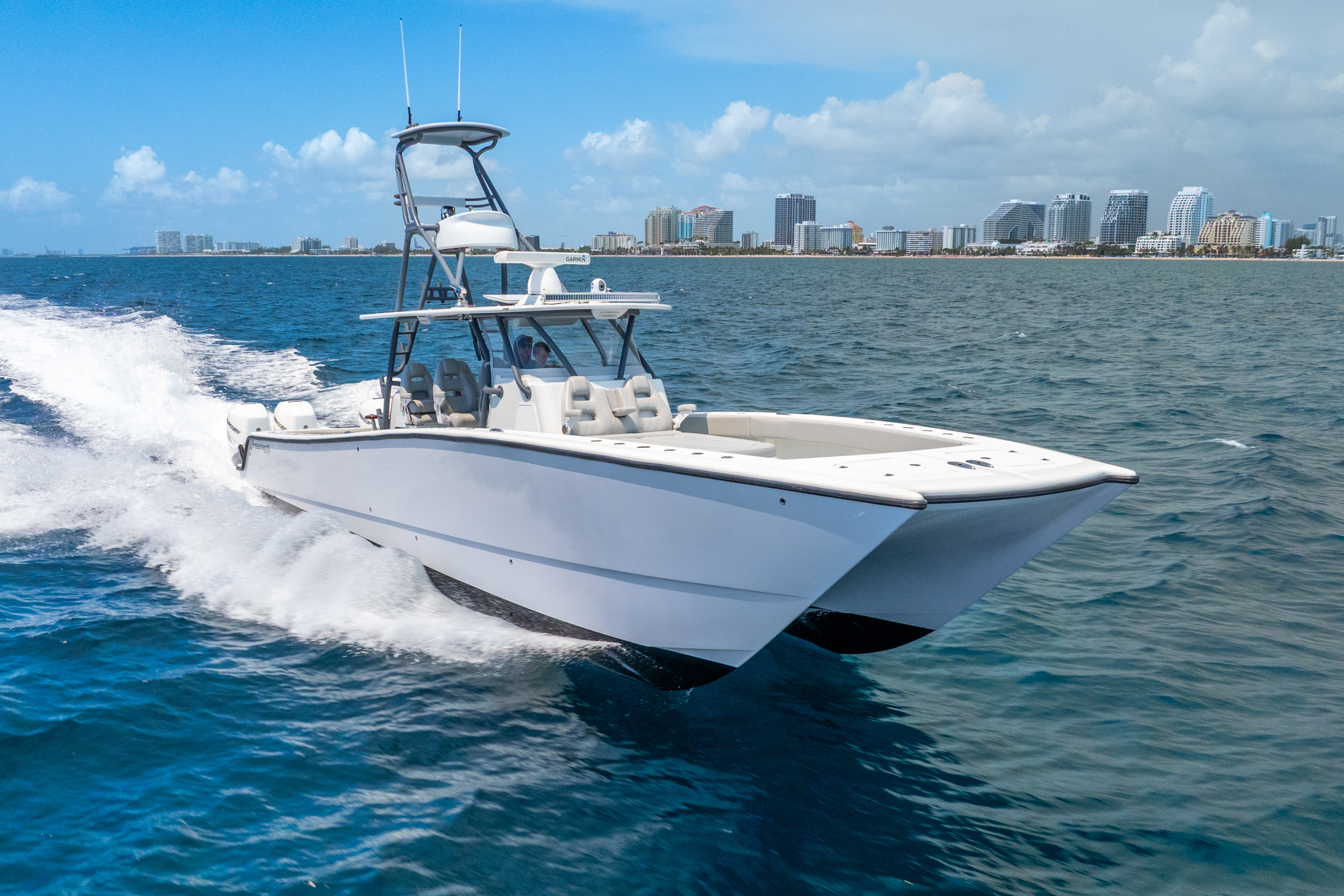
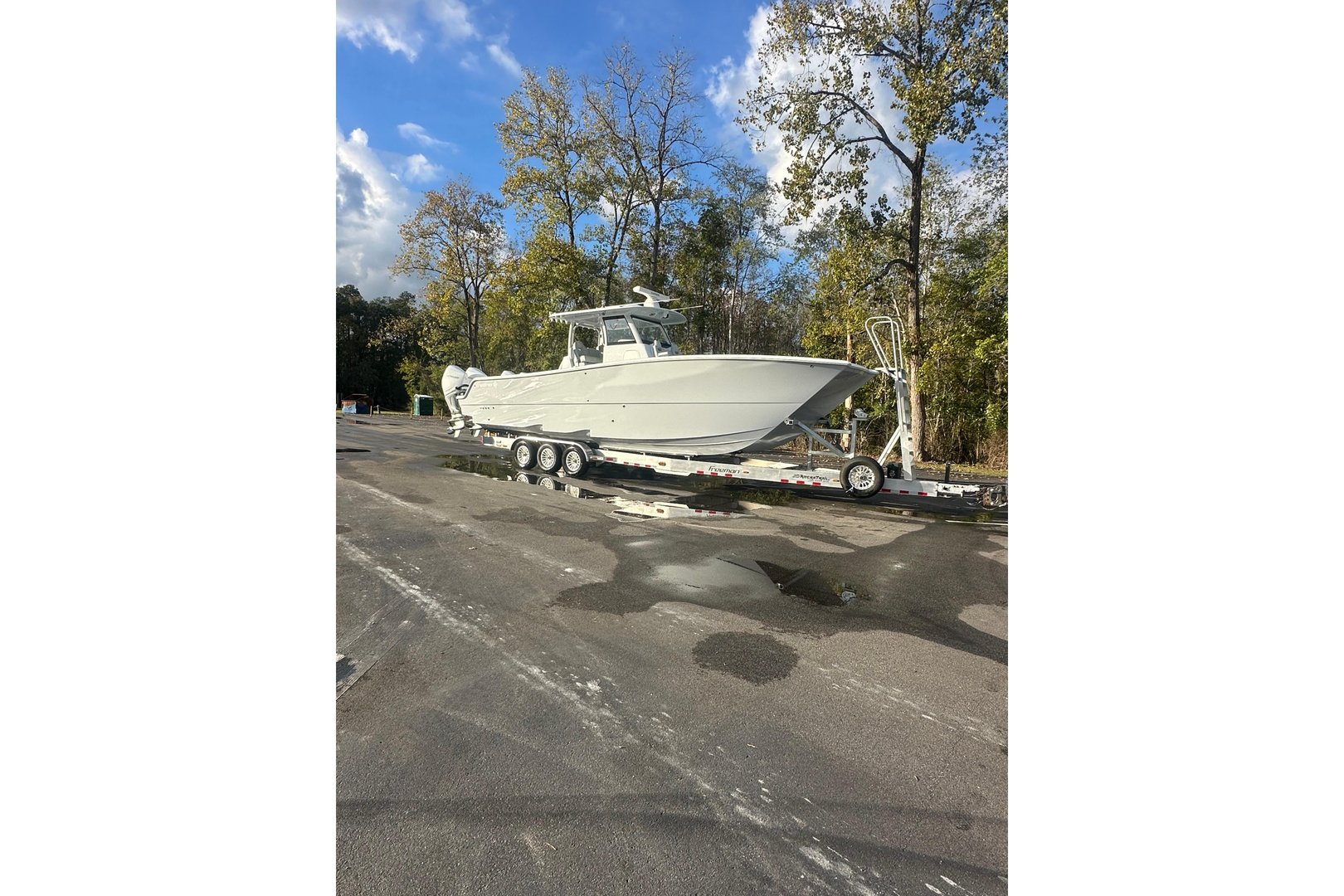
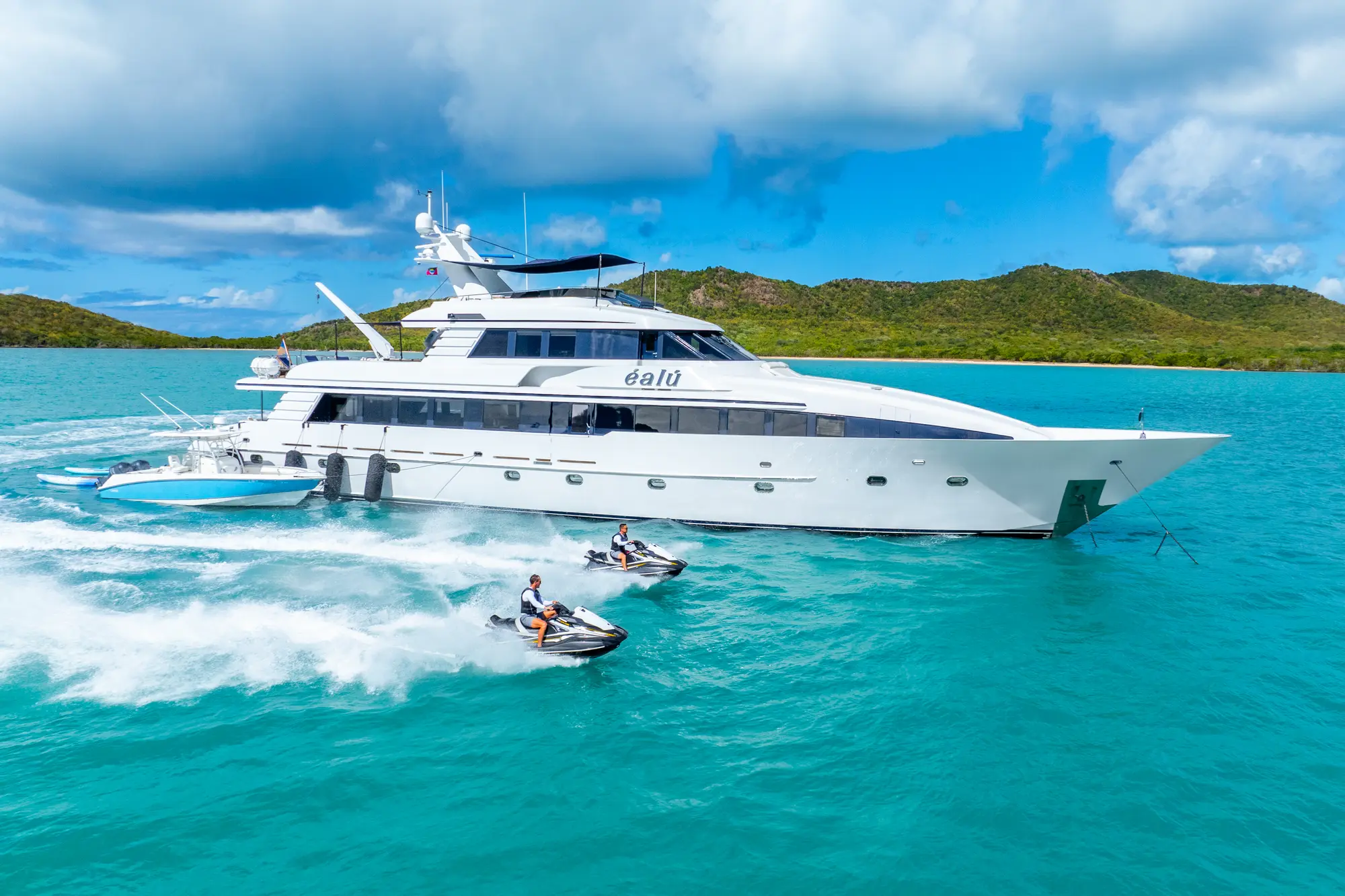
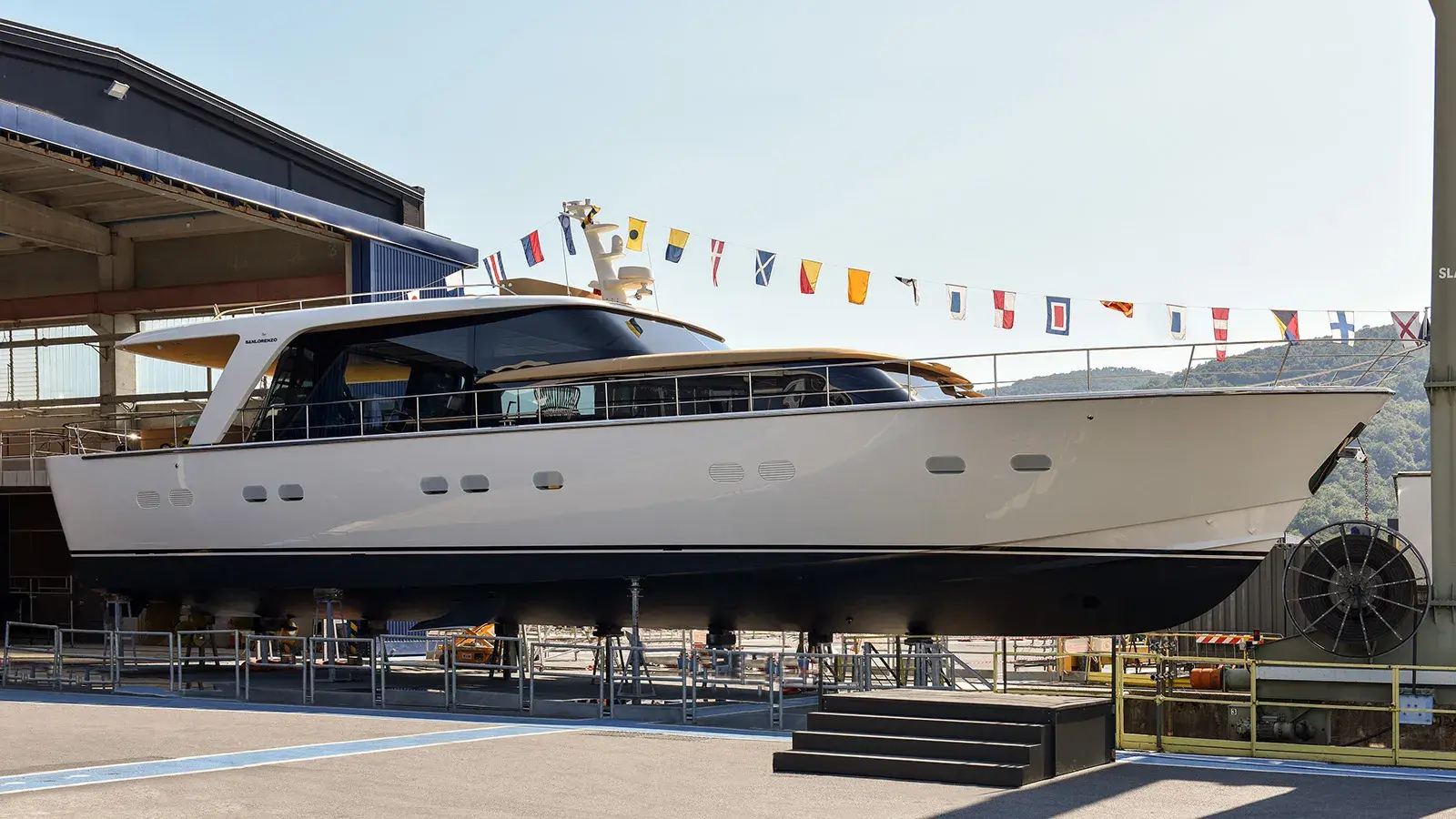
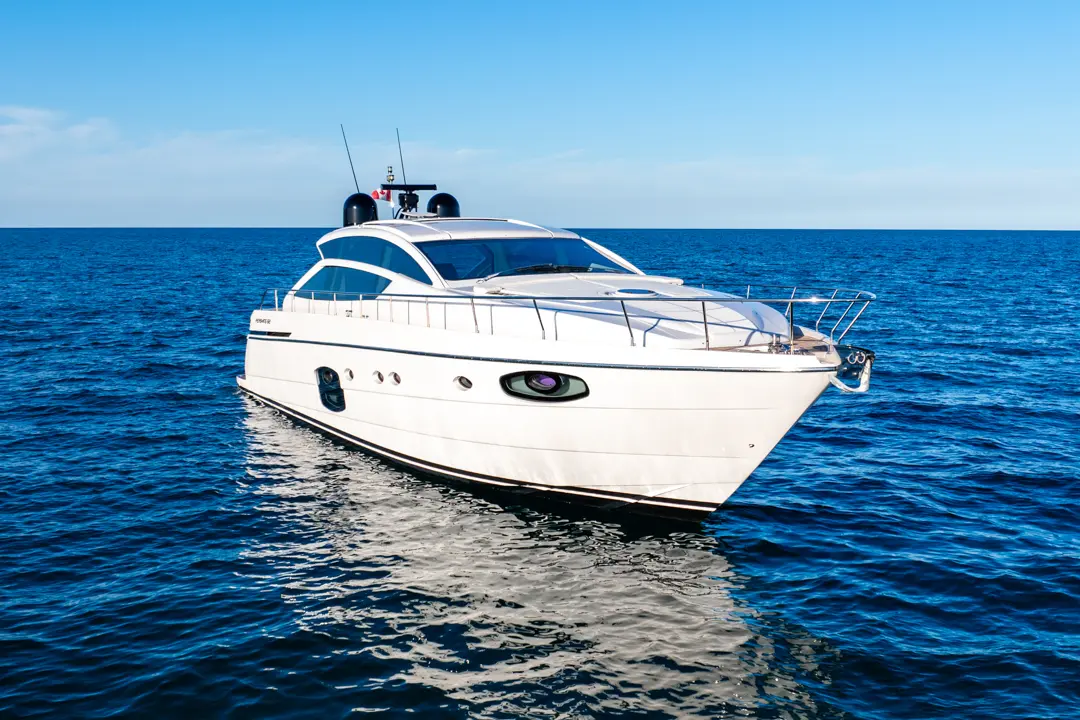
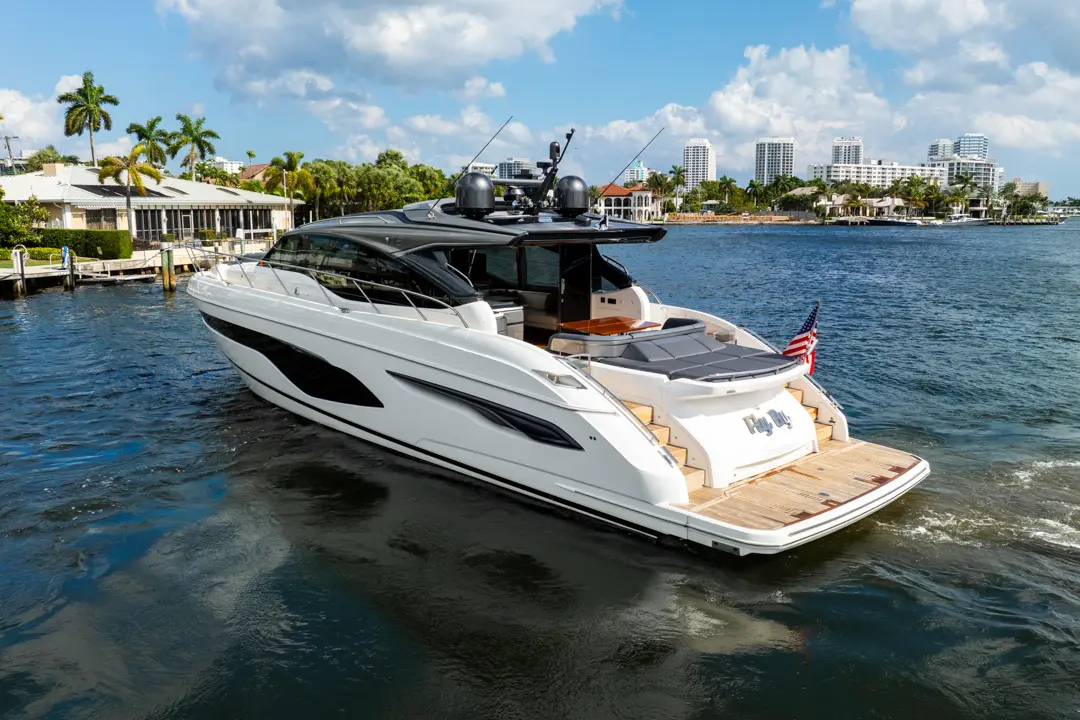
Across the world, fuel prices have become one of the biggest concerns for boat owners, yacht operators, marinas, and marine businesses. What began as global instability in oil markets has now expanded into a major issue affecting nearly every part of the recreational boating industry, from small center consoles and fishing boats to luxury yachts and commercial charter operations.
As marine fuel costs continue fluctuating, boaters are adjusting how often they use their vessels, where they fuel, and even whether they purchase new boats at all.
What Caused Fuel Prices to Rise Globally?
The sharp increase in gasoline and diesel has largely been driven by global crude oil instability. Ongoing geopolitical tensions in major oil-producing regions, combined with shipping disruptions and reduced refinery output, have tightened fuel supply worldwide. At the same time, seasonal demand for fuel continues to rise as warmer weather increases both automotive travel and recreational boating activity.
Another major factor has been the increased cost of transporting and refining fuel. Marine fuel distributors, marinas, and fuel docks are all paying more for logistics, insurance, and fuel delivery operations than in previous years. These added costs eventually reach consumers at the dock.
Because marine fuel is closely tied to global oil markets, even small international supply disruptions can quickly impact marina pricing worldwide. In many boating regions, fuel prices can now change daily depending on local supply conditions and delivery costs.
How Higher Fuel Prices Are Affecting the Boating Industry
For recreational boaters, fuel has become one of the largest operating expenses associated with owning a boat. Smaller center consoles, offshore fishing boats, sportfish yachts, cruisers, and superyachts are all being affected differently, but nearly every segment of the marine industry is feeling pressure.
Owners of smaller boats are beginning to shorten trips, reduce offshore runs, and plan outings more carefully around fuel costs. Offshore anglers and long-distance cruisers are especially sensitive to fuel pricing because many vessels consume significant amounts of gasoline or diesel during a single trip.
For larger yachts and sportfish vessels, the impact is even greater. On high-horsepower boats carrying hundreds or even thousands of gallons of fuel, small increases per gallon can translate into thousands of dollars in additional operating expenses over a season.
Marinas and marine fuel docks are also seeing changing behavior among customers. More boaters are actively comparing fuel prices, seeking ethanol-free fuel options, and using direct-to-dock fueling services to reduce costs. Fuel delivery companies continue expanding in major boating markets as owners look for alternatives to premium marina pricing.
The Impact on Boat Sales and Marine Leisure
Fuel prices are also influencing boat buying decisions worldwide. Industry analysts report that rising operating costs are causing some consumers to delay new boat purchases, particularly in larger fuel-intensive categories. While interest in boating remains strong overall, buyers are becoming more cautious about long-term ownership expenses.
In some markets, demand for smaller, more fuel-efficient boats has increased as consumers look for ways to reduce operating costs without leaving the boating lifestyle entirely. Used boat inventory has also risen in several segments as some owners choose to sell vessels that have become expensive to operate regularly.
Leisure boating itself is changing as well. Weekend trips, offshore fishing runs, and long-distance cruising are becoming more carefully planned around fuel budgets. Charter operators, yacht management companies, and marinas are all adjusting pricing structures to account for higher fuel expenses throughout the industry.
Despite these challenges, boating activity remains strong globally, particularly in coastal regions where boating continues to be deeply connected to lifestyle, tourism, and recreation.
What the Future Looks Like for the Boating Industry
If fuel prices remain elevated throughout 2026, the boating industry will likely continue adapting toward efficiency and cost-conscious ownership. Manufacturers are already placing greater emphasis on fuel-efficient hull designs, lighter materials, hybrid propulsion systems, and improved engine technology, and many experts expect continued growth in electric boats, alternative fueling solutions, and on-demand marine fuel delivery services.
Industry forecasts suggest boating demand itself is unlikely to disappear. Recreational boating continues generating billions globally each year, and many boaters are adjusting their habits rather than leaving the market entirely. Smaller boats, local cruising, sandbar trips, and shorter recreational outings may continue growing in popularity as long as fuel prices remain unstable.
As for what prices will do, current forecasts suggest volatility will persist through the rest of 2026. Some analysts expect stabilization if global oil production improves and geopolitical tensions ease, but rapid price swings are still possible. For boaters, that means fuel planning is likely here to stay, whether you're running a center console, a family cruiser, or a luxury yacht.
One thing is clear: fuel prices are no longer just a dockside concern — they are shaping the future of boating itself.