Buying a superyacht is expensive. Finding somewhere to park it can be surprisingly expensive too.
For an ordinary boat, a marina slip might be another predictable line in the annual boating budget. Once a yacht reaches 80, 100 or 200 feet, that equation changes dramatically.
In the world's most desirable destinations, simply tying up a large yacht can cost thousands of dollars per night. During major events or the peak Mediterranean season, prime berths can become even more valuable.
And the dockage rate is only the beginning.
Superyacht Dockage Is Usually Based on Size
Marinas generally price large-yacht berths according to the size of the vessel, often using its length as one of the primary factors.
That means every additional foot or meter can increase the bill.
A 60-foot yacht and a 160-foot yacht aren't simply using different amounts of dock space. The larger yacht may require deeper water, significantly more electrical capacity, stronger infrastructure and a berth specifically designed to accommodate vessels of that scale.
There are also far fewer places where extremely large yachts can physically fit.
That scarcity matters.
A 200-Foot Yacht Can't Just Pull Into Any Marina
This is one of the biggest differences between owning a normal recreational boat and owning a superyacht.
A smaller boat may have hundreds of potential marinas available along a coastline.
A yacht measuring 200 feet can be limited by berth length, water depth, turning room, bridge clearance and the physical strength of the marina infrastructure.
Suddenly, waterfront space becomes a scarce commodity.
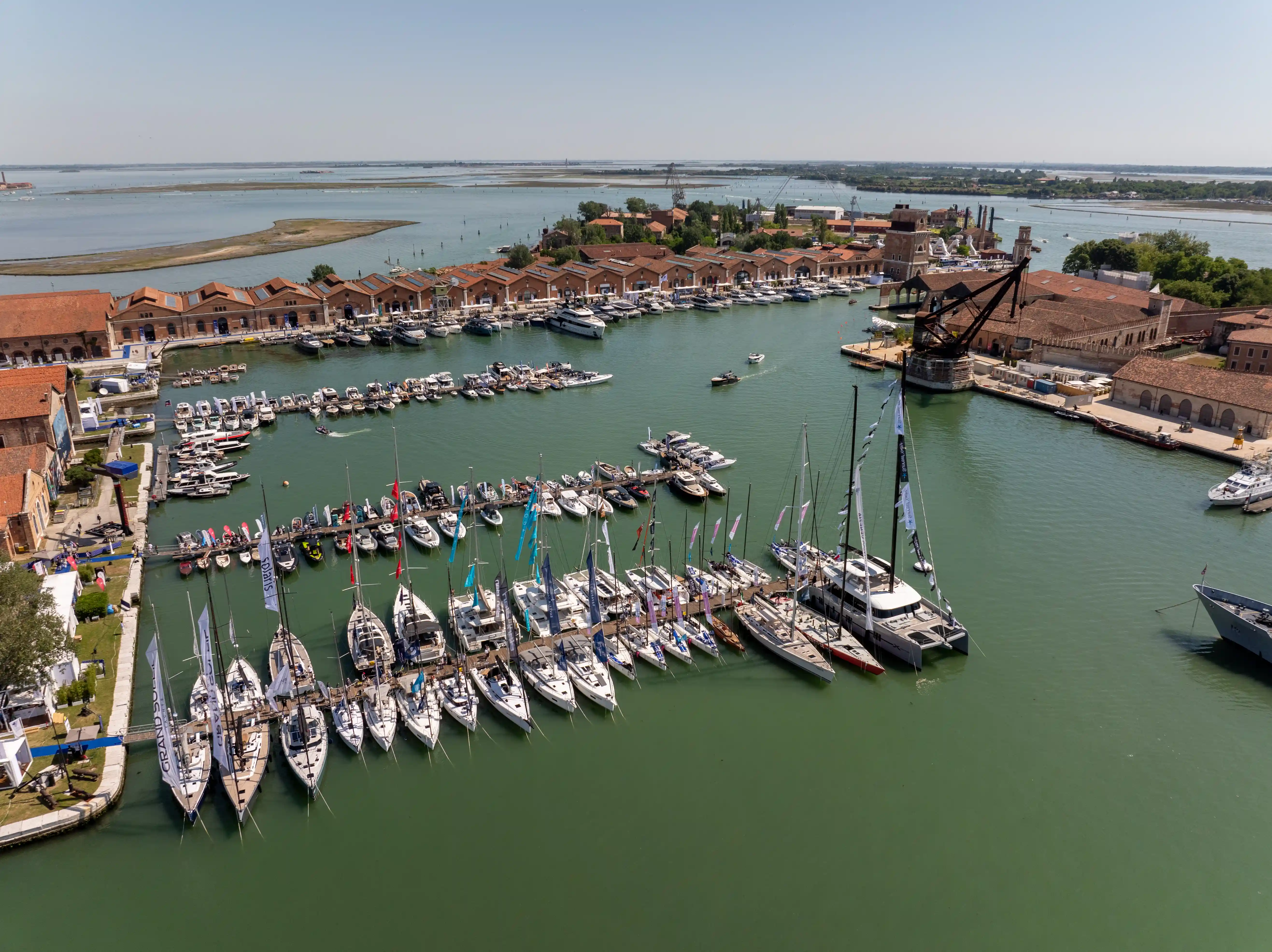
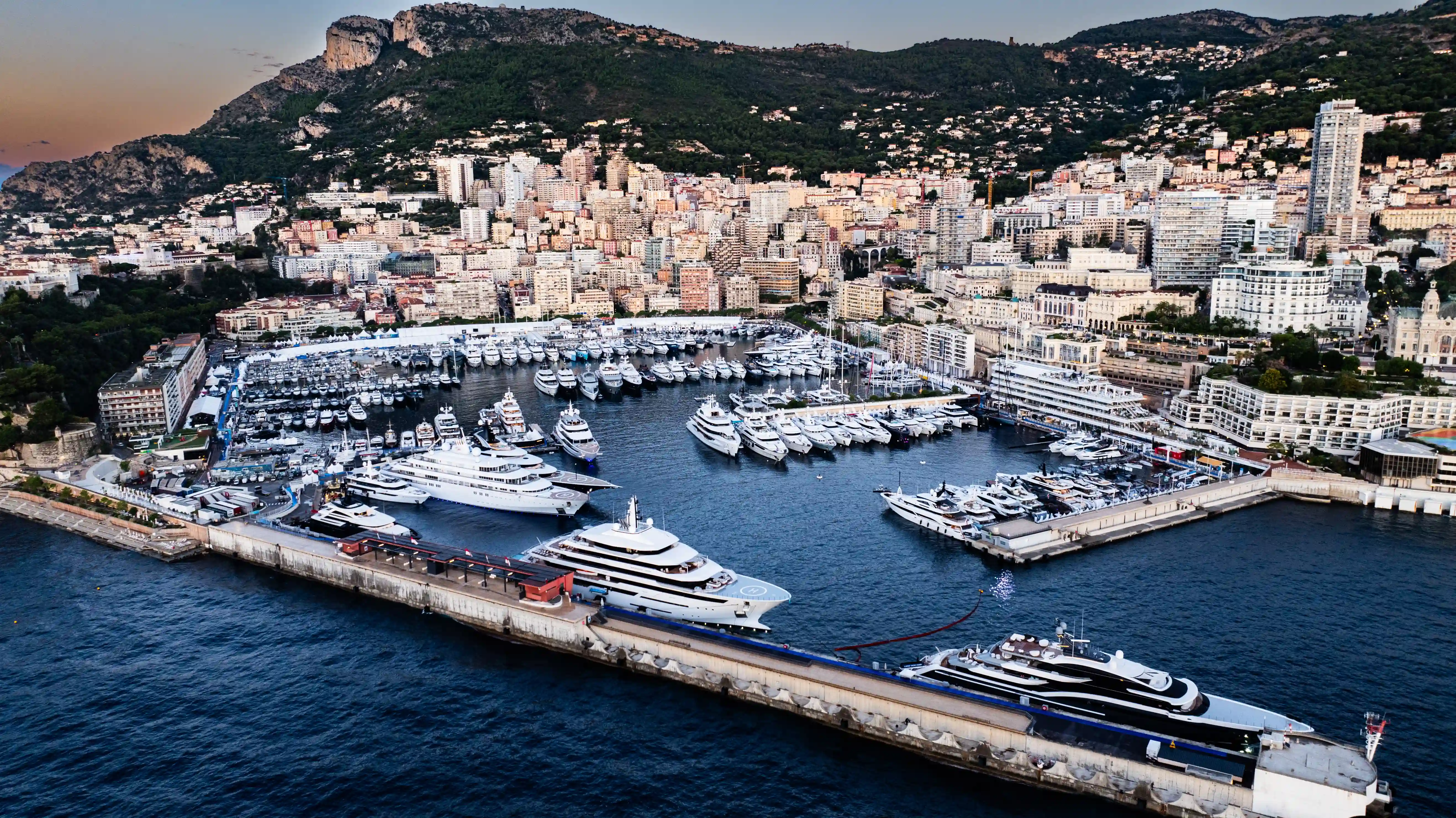
In destinations such as Monaco, Saint-Tropez, Miami, Fort Lauderdale, Palm Beach, Ibiza and parts of the Caribbean, demand for large-yacht berths can become intense during peak periods.
Owners aren't merely paying for somewhere to park.
They're paying for one of a limited number of places where their yacht can park at all.
Location Can Matter More Than the Yacht
Dockage prices vary enormously around the world.
A berth in a working marina during the off-season can cost dramatically less than a similarly sized berth in one of the Mediterranean's most desirable ports in July or August.
The same thing happens in South Florida and the Caribbean during the winter season.
Weather moves. Yacht owners move with it. And hundreds of large vessels can end up chasing a limited supply of premium marina space at roughly the same time.
That creates a seasonal market where the exact same yacht can be relatively inexpensive to dock in one place and extremely expensive somewhere else.
Then Monaco Happens
There are also occasions when normal marina economics effectively go out the window.
Major events can turn already valuable waterfront into some of the most desirable parking spaces in the world.
The Monaco Grand Prix is perhaps the most famous example.
A yacht berthed in Port Hercule isn't simply receiving a place to dock during race weekend. The yacht itself becomes a hospitality venue overlooking one of the most famous sporting events in the world.
Companies entertain clients aboard them. Owners host parties. Charter yachts market the experience as part of the trip.
The berth becomes part marina slip, part luxury suite and part event venue.
That can make pricing dramatically different from an ordinary week.
Electricity Can Be Another Serious Bill
Paying for the berth doesn't necessarily mean everything is included.
A large yacht consumes an enormous amount of electricity even while sitting completely still.
Air conditioning may operate throughout the vessel. Refrigerators and freezers remain running. Lighting, pumps, entertainment systems, navigation equipment, communications systems and crew areas all continue consuming power.
Connect the yacht to shore power and the marina may charge separately for that electricity.
For a large vessel drawing substantial power around the clock, utility costs can become meaningful.
If suitable shore power isn't available, the yacht may instead need to operate its generators, consuming fuel and accumulating generator hours simply while sitting at the dock.
Water Isn't Always Free Either
Then there is fresh water.
Superyachts can produce their own fresh water using onboard desalination systems, but marinas can also provide potable water while the yacht is alongside.
Depending on the marina and destination, water usage may be metered or charged separately.
One shower isn't the problem.
The yacht may have a dozen guests, a substantial crew, laundry running constantly, kitchens operating throughout the day and exterior surfaces being washed repeatedly.
Everything scales with the size of the vessel.
The Crew Still Needs Somewhere to Live
One reason superyacht ownership costs become so enormous is that the yacht doesn't stop being an operating business just because the owner goes home.
Crew members remain aboard.
They maintain the vessel, clean it, monitor its systems, organize maintenance, provision it and prepare for the next trip.
The marina berth therefore isn't simply parking between vacations.
It's the yacht's base of operations.
That helps explain why many large yachts remain in professional marinas even when anchoring offshore would theoretically cost much less.
Why Not Just Anchor for Free?
Technically, anchoring can dramatically reduce dockage expenses.
Practically, it's more complicated.
A yacht at anchor needs to generate its own electricity, produce or carry its own water and transport guests and crew ashore using tenders.
Weather becomes more important. Holding conditions matter. Local anchoring restrictions matter.
And in environmentally sensitive areas, anchoring may be heavily regulated or prohibited entirely to protect seagrass, coral and other marine habitats.
Anchoring is therefore part of superyacht life, but it isn't a universal replacement for marinas.
Some Owners Buy the Berth
For owners who repeatedly return to the same destination, there is another option.
In certain marinas, berths can effectively be purchased or secured under extremely long leases.
At the highest end of the market, those rights can themselves become valuable assets.
It sounds absurd until you consider the underlying problem.
Waterfront property is limited. Building new marinas is difficult. Environmental approvals can take years. Modern yachts continue getting larger.
Meanwhile, wealthy owners all want to visit many of the same places.
A guaranteed berth in the right location can therefore become incredibly desirable.
South Florida Has Its Own Superyacht Parking Problem
Fort Lauderdale earned its reputation as the Yachting Capital of the World partly because of the enormous marine infrastructure surrounding the city.
There are marinas, shipyards, fuel docks, brokerage companies, service businesses and thousands of marine workers concentrated within a relatively small area.
But even South Florida faces limitations as yachts continue getting larger.
A marina capable of handling a 70-foot yacht isn't necessarily equipped for a 200-footer.
That has made large-yacht dockage an increasingly specialized business in Fort Lauderdale, Miami and Palm Beach.
For owners moving between Florida and the Bahamas, having reliable access to the right marina can be an important part of planning the entire ownership experience.
Dockage Is Only One Piece of the Ownership Cost
This is where the numbers surrounding superyacht ownership start becoming almost difficult to comprehend.
The owner isn't just paying for dockage.
There is crew payroll, insurance, maintenance, fuel, management, communications, food, cleaning, spare parts, surveys, paint, mechanical servicing and periodic refits.
A berth costing thousands of dollars for a short stay sounds extraordinary to most people.
For a vessel that may cost tens or hundreds of millions of dollars to purchase and millions per year to operate, it becomes another cost of doing business.
Why Superyacht Marinas Have Become Big Business
All of this helps explain why marina companies have attracted so much investment.
A good marina isn't easy to replicate.
The land is scarce. Permitting is difficult. Waterfront construction is expensive. Deep water is required for larger vessels, and surrounding infrastructure needs to support increasingly demanding yachts.
At the same time, the global fleet of large yachts needs somewhere to go.
That makes premium marina infrastructure a valuable piece of the broader yachting economy.
The yacht may be the glamorous part.
The piece of concrete it's tied to can be a surprisingly valuable business too.
So How Much Does It Cost to Dock a Superyacht?
There isn't one useful number.
The price depends on the yacht's length and beam, the marina, the season, local demand, utilities, services and whether a major event is taking place.
A large yacht can spend thousands of dollars during a relatively short marina stay, while long-term dockage in premium destinations can become a substantial annual expense.
For the very largest yachts, the more important question may not even be how much the berth costs.
It's whether a suitable berth is available.
Final Thoughts
Superyachts are often described as floating mansions, but mansions usually come with one major advantage.
They already have somewhere to sit.
A yacht worth $50 million, $100 million or considerably more still needs a piece of waterfront large enough and deep enough to accommodate it everywhere it travels.
In the world's most desirable destinations, those pieces of waterfront are limited.
And when billionaires are competing for parking spaces, even the parking gets expensive.