Spend enough time browsing yacht listings and eventually you'll find one that makes absolutely no sense.
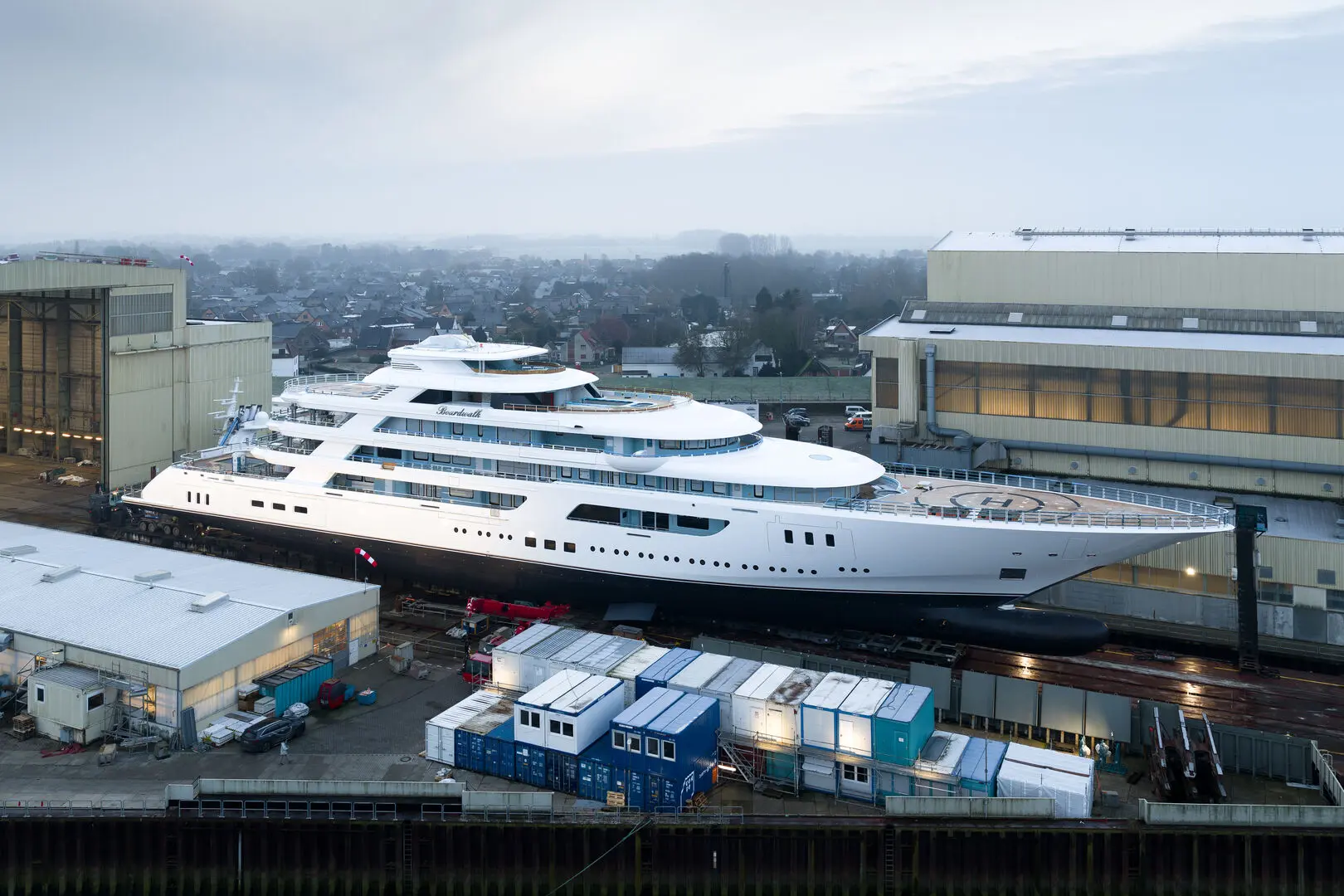
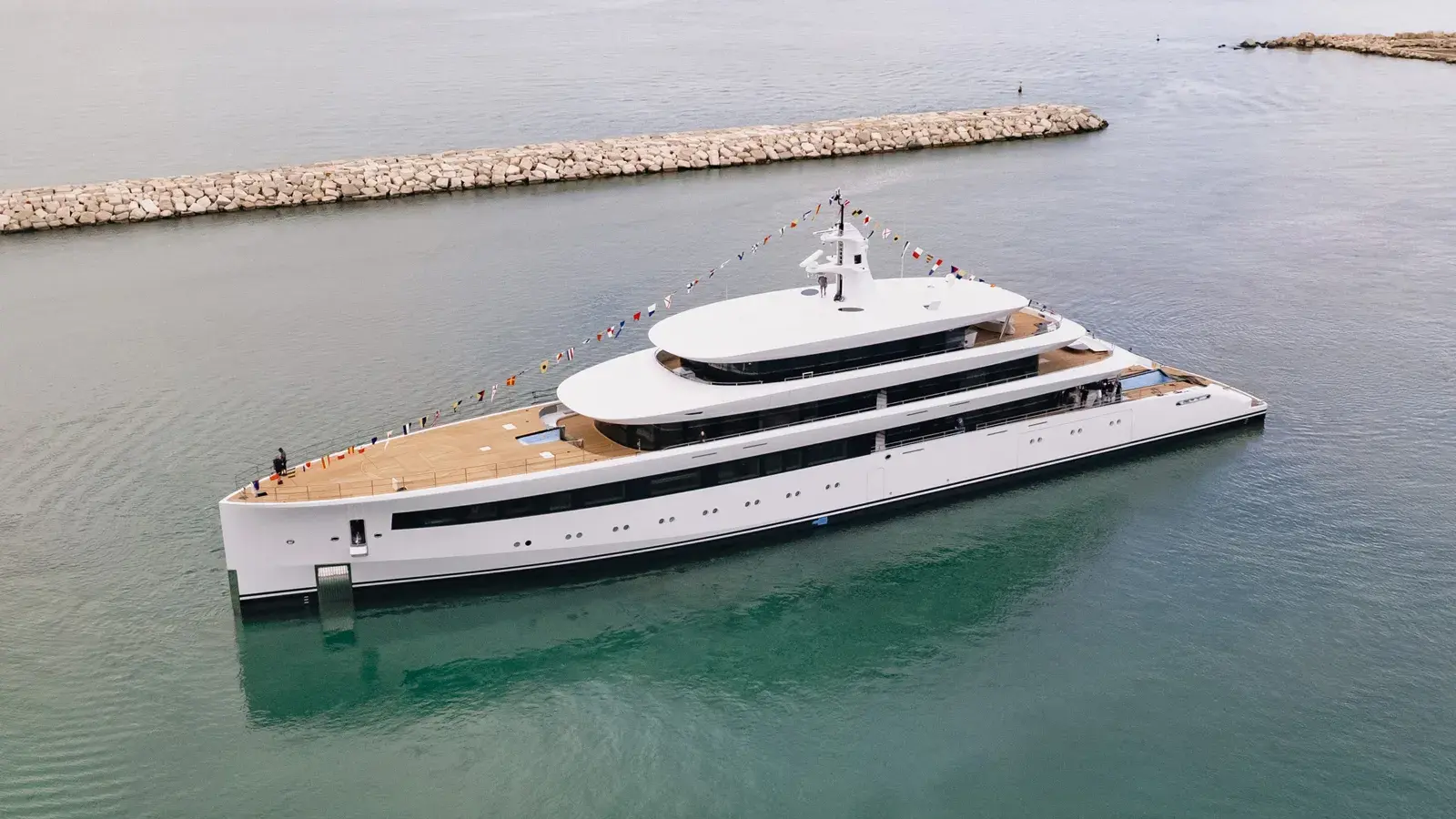
Maybe it's 90 feet long. Maybe it has four guest cabins, multiple decks, crew quarters and twin diesel engines. It might have originally cost millions of dollars.
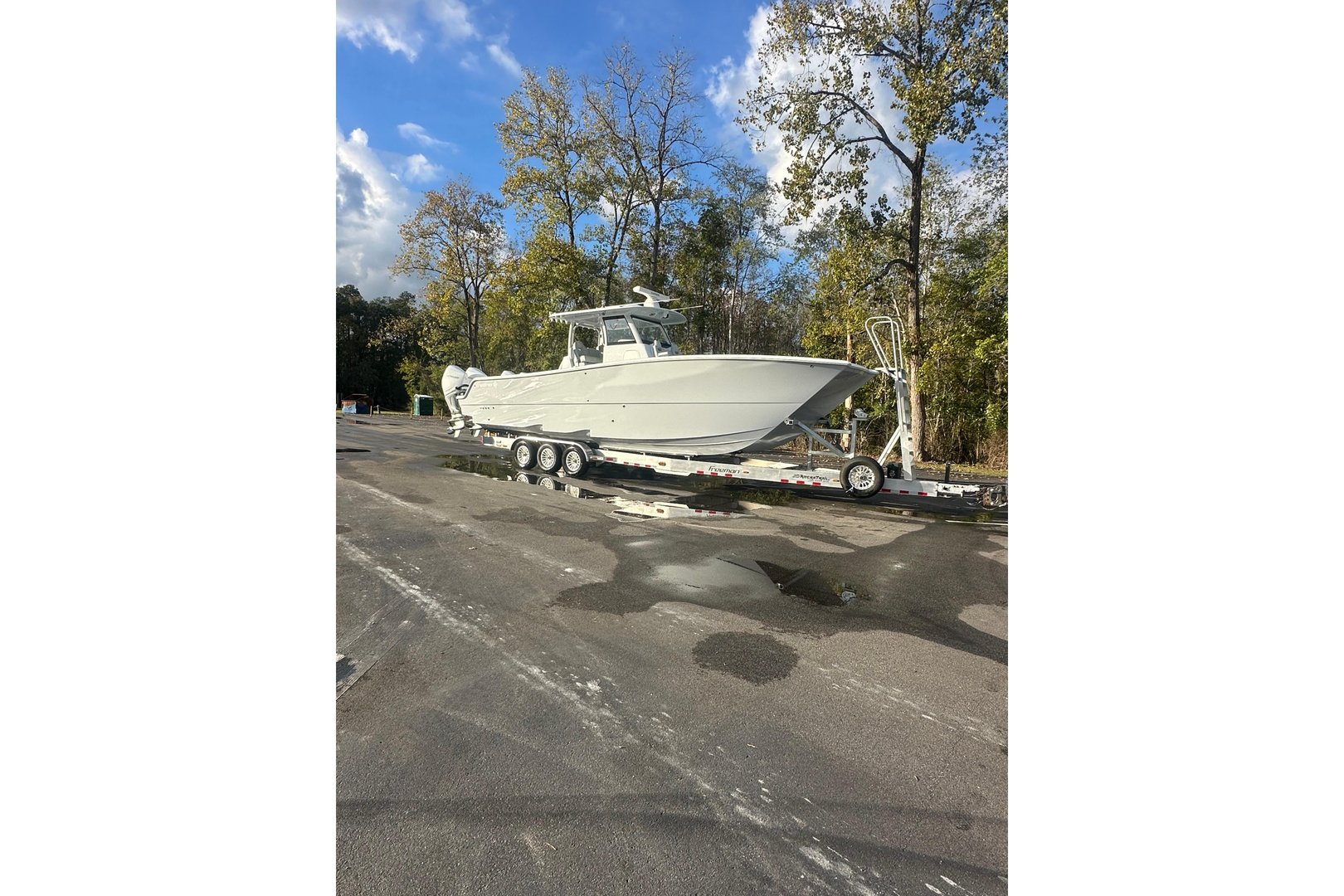
And now it's listed for less than a new 45-foot center console.
At first glance, an older yacht can look like one of the greatest bargains in boating.
Sometimes it is.
But there's a reason a massive yacht can lose millions of dollars in value while much smaller new boats continue selling for seven figures.
The expensive part isn't always buying the yacht.
It's keeping it alive.
A Cheap Yacht Is Still a Huge Yacht
Depreciation can reduce the value of a yacht dramatically.
Unfortunately, it doesn't make the yacht any smaller.
An 80-foot yacht that falls from several million dollars to $800,000 still has the engines, generators, air-conditioning systems, plumbing, electrical equipment, windows, teak, paint and deck hardware of an 80-foot yacht.
The marina doesn't care what you paid for it.
Neither does the shipyard.
A technician servicing a generator doesn't charge less because the yacht has depreciated.
That's the fundamental problem with bargain-priced yachts: purchase price can fall much faster than operating cost.
The Engines Can Be Worth a Frightening Amount of Money
Large marine diesel engines can run for thousands of hours when properly maintained, but they aren't maintenance-free.
Eventually, major service becomes necessary.
That can involve injectors, turbos, cooling systems, exhaust components, transmissions and, in more serious cases, major engine overhauls.
Now multiply the problem by two.
Most traditional motor yachts have twin engines. They may also have two generators and numerous supporting systems keeping everything operational.
A buyer who saves hundreds of thousands of dollars on the purchase can quickly give some of that money back if major mechanical work is approaching.
Then There Are the Generators
Generators are easy to forget because they don't move the boat.
They do almost everything else.
When a yacht isn't connected to shore power, generators can supply electricity for air conditioning, refrigeration, lighting, pumps, entertainment systems, cooking equipment and countless other onboard systems.
That means generator hours can accumulate even when engine hours remain relatively low.
An older yacht with lightly used propulsion engines may still have generators that have spent years working behind the scenes.
Air Conditioning Becomes a Serious System
Air conditioning on a large yacht isn't a little rooftop unit.
There may be chillers, seawater pumps, circulation pumps, air handlers, control systems and plumbing running throughout the vessel.
When everything works, nobody thinks about it.
When it doesn't work in South Florida or the Caribbean, everyone thinks about it immediately.
Replacing aging components across a large yacht can become expensive surprisingly quickly.
Old Electronics Can Make a Yacht Feel Ancient
Electronics have changed dramatically over the last two decades.
An older yacht may have navigation equipment that still functions perfectly well but looks prehistoric beside a modern glass helm.
The same applies to entertainment systems, cameras, lighting controls, communications equipment and onboard networking.
Updating one display is easy.
Modernizing an entire yacht can involve replacing screens, sensors, wiring, antennas, processors and equipment hidden throughout the vessel.
Suddenly the "cheap" yacht needs a six-figure electronics project before the new owner has changed a single piece of furniture.
Teak Can Become an Enormous Expense
Teak decks look fantastic.
They also don't last forever.
Years of sunlight, saltwater, cleaning and weather gradually wear the material down. Eventually, seams fail, fasteners become exposed and sections need increasingly serious attention.
Replacing teak across a large yacht is labor-intensive and expensive.
And unlike an optional cosmetic upgrade, deteriorated decks can eventually create more serious problems if water begins reaching areas it shouldn't.
Paint Is Another Brutal One
A 100-foot yacht has an enormous amount of exterior surface area.
Keeping that surface looking like a luxury product takes work.
Paint fades. Gloss disappears. Repairs accumulate. Corrosion can appear around hardware and fittings.
Eventually, spot repairs may no longer be enough.
A full exterior paint project on a large yacht can involve hauling the vessel, scaffolding or tenting it, extensive preparation and weeks or months of skilled labor.
That bill doesn't care whether the owner bought the yacht for $2 million or $20 million.
The Interior Can Be Perfectly Functional and Still Kill the Sale
Sometimes nothing is actually wrong with an older yacht.
It just looks old.
Luxury interiors age differently from mechanical equipment.
Glossy dark woods, patterned carpets, heavy curtains, gold fixtures and entertainment systems designed around televisions from another era can immediately reveal when a yacht was built.
A buyer might walk aboard a mechanically excellent yacht and instantly start mentally renovating it.
New flooring. New furniture. New lighting. New countertops. New upholstery. New bathrooms.
Once again, the attractive asking price begins growing.
There Is a Point Where Refit Cost Collides With Yacht Value
This is where older yachts can enter a vicious cycle.
Imagine a yacht worth $1.5 million that needs $1 million in work.
Spending that money doesn't necessarily create a $2.5 million yacht.
It may simply create a nicer version of a yacht the market still values somewhere around $1.5 million.
Owners therefore become reluctant to make major investments they know they'll never recover.
Maintenance gets postponed.
Condition deteriorates.
The asking price falls further.
The next buyer sees an even bigger project.
Eventually the yacht can become cheap precisely because nobody wants to inherit the bill attached to it.
That's Why a Survey Is So Important
Buying an older yacht based on photographs and engine hours would be extraordinarily risky.
A proper marine survey gives a buyer a much better understanding of the vessel's actual condition.
Depending on the yacht, specialists may also inspect engines, generators, electrical systems and other major equipment separately.
A sea trial can reveal additional issues that aren't obvious while the yacht sits quietly at a dock.
The goal isn't necessarily to find a perfect yacht.
It's to understand what you're actually buying.
Maintenance Records Can Be More Important Than Age
An old yacht isn't automatically a bad yacht.
In fact, a properly maintained older yacht can be spectacular.
Some have undergone continuous upgrades throughout their lives. Engines have been rebuilt. Generators replaced. Electronics modernized. Interiors renovated. Paint refreshed. Mechanical systems updated.
A 20-year-old yacht with an excellent maintenance history can therefore be a much smarter purchase than a 10-year-old yacht that has spent years being neglected.
Age tells you when the yacht was built.
It doesn't tell you how it was treated.
Some Older Yachts Are Genuine Bargains
This is the other side of the story.
Depreciation can create extraordinary opportunities for the right buyer.
The basic hull and structure of a well-built yacht can remain useful for decades. If previous owners have already invested heavily in refits and maintenance, the next buyer may acquire an enormous amount of yacht for a fraction of its original construction cost.
Some owners also prefer older yachts because of their styling, heavier construction or layouts.
And unlike ordering a new custom yacht, an existing vessel can potentially be purchased and used almost immediately.
The key is finding an old yacht that has already had money spent on it rather than one that's waiting for somebody to spend the money.
Why Not Just Repower Everything?
On smaller boats, replacing old engines can sometimes provide a relatively straightforward path to extending the vessel's life.
Large yachts aren't always so simple.
Engines may sit deep inside the vessel with limited physical access. Removing them can require dismantling parts of the interior or cutting access through the structure.
New engines may require different mounts, exhaust systems, electronics, cooling systems or transmissions.
What sounds like "just put new engines in it" can become a substantial engineering project.
Cheap Superyachts Can Be Especially Dangerous to the Wallet
The effect becomes even more dramatic once professional crew enters the equation.
A yacht may depreciate enough that a moderately wealthy person can afford to purchase it.
That doesn't necessarily mean they can afford to operate it.
Captains, engineers, deckhands, chefs and interior crew still need salaries. Insurance still needs to be paid. Dockage is still based largely on the yacht's dimensions. Fuel tanks are still enormous.
The boat's market value may have collapsed.
Its appetite hasn't.
The Purchase Price Might Be the Least Important Number
This is why experienced yacht buyers rarely look at asking price in isolation.
They want to know what happens next.
What maintenance is due?
When was it last painted?
How old is the teak?
What condition are the engines and generators in?
Which systems are obsolete?
What will insurance cost?
Where will the yacht be kept?
How many crew does it require?
The answers can completely change whether a yacht is genuinely inexpensive or merely inexpensive to acquire.
Final Thoughts
Old yachts can look absurdly cheap because depreciation attacks their purchase price while leaving many of their operating costs almost untouched.
A 100-foot yacht doesn't become a 50-foot yacht because its value fell by 70%.
It still needs to be docked, powered, cooled, maintained, cleaned and repaired like a 100-foot yacht.
That's also why some older yachts really can represent incredible value.
Find one that has been properly maintained and extensively updated, and someone else may have absorbed millions of dollars in depreciation and refit expenses before you arrived.
Find the wrong one and the low asking price can be the most expensive thing about it.
There's an old idea in boating that sometimes the cheapest boat is the most expensive boat you can buy.
With an aging superyacht, that can become true very quickly.