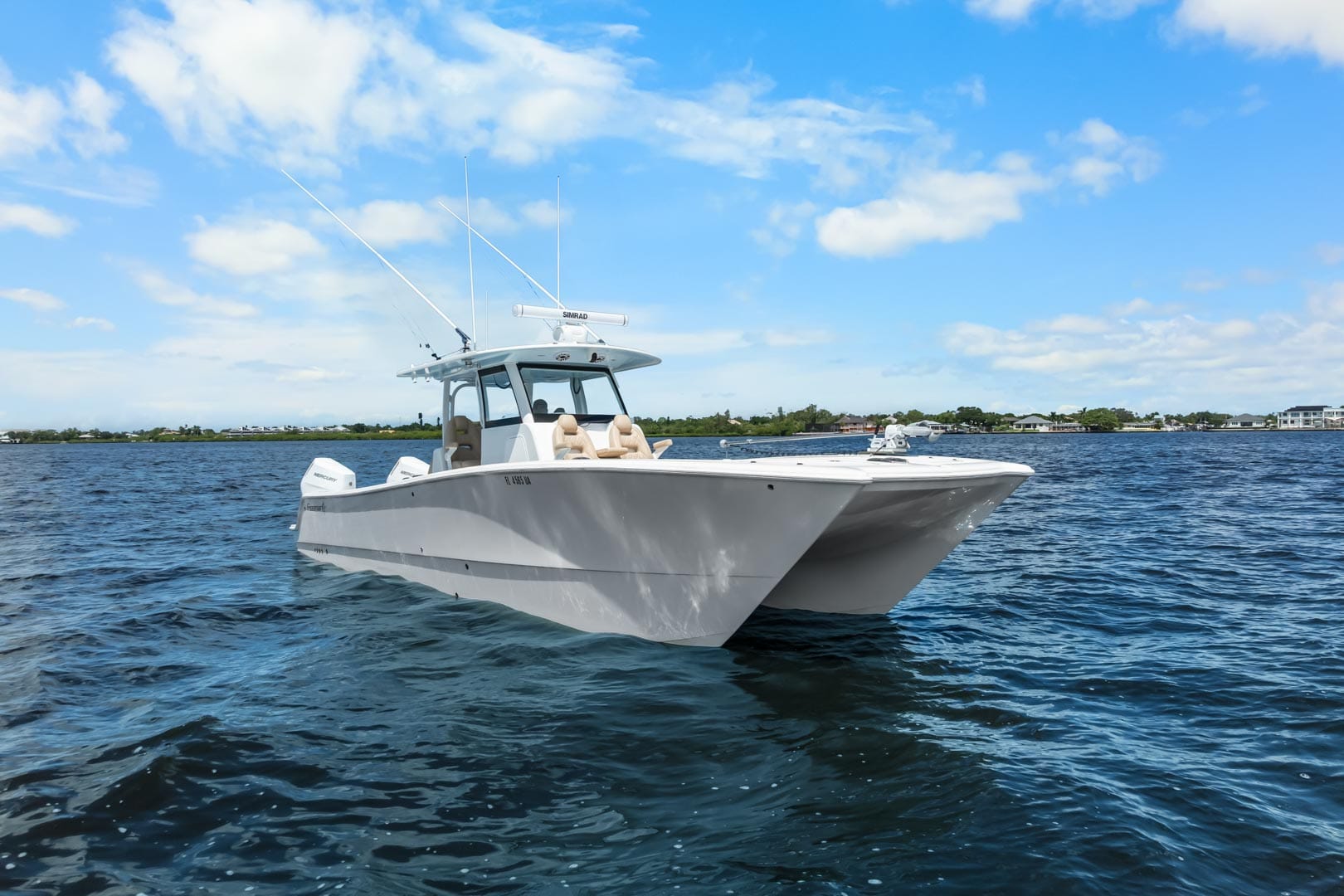
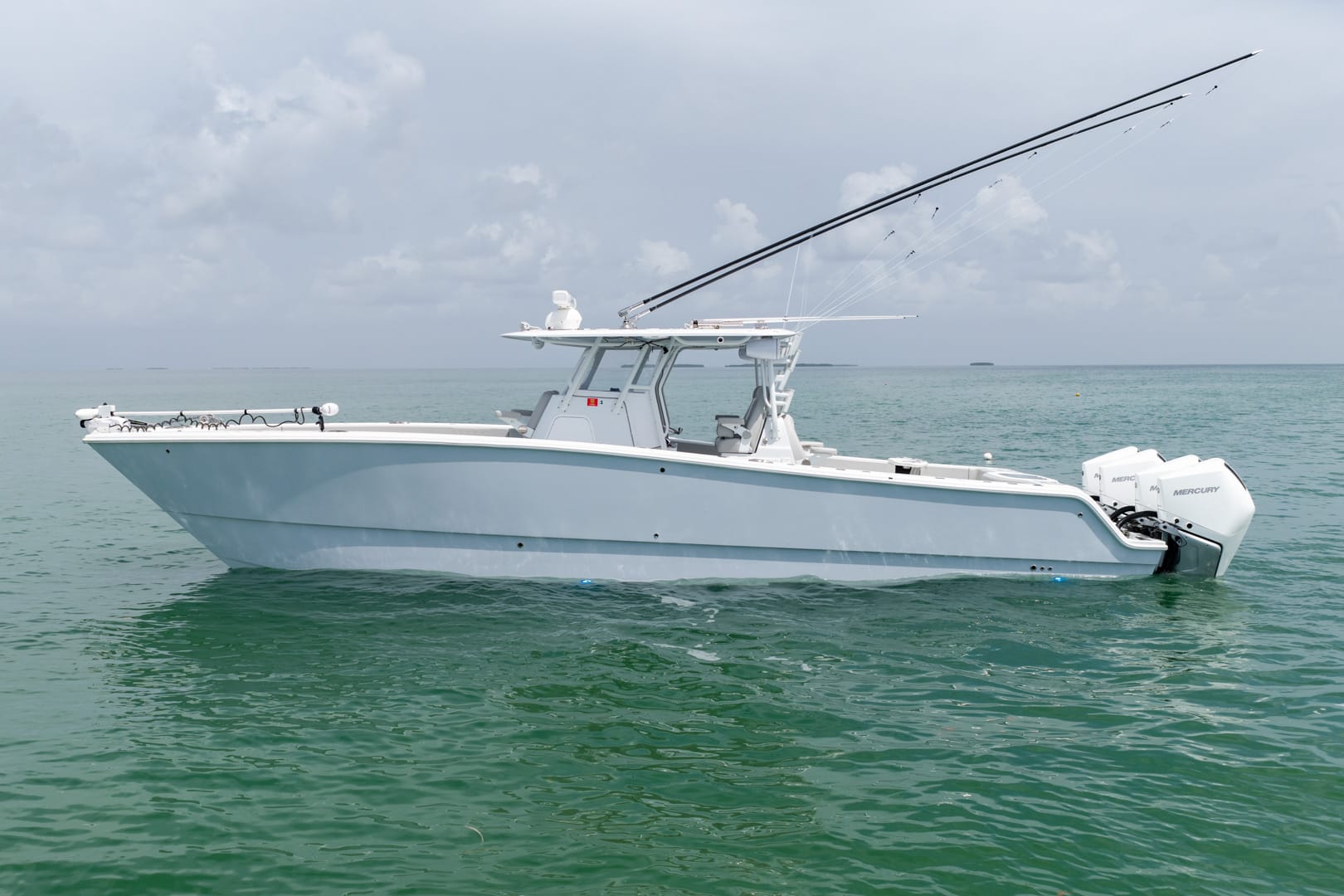
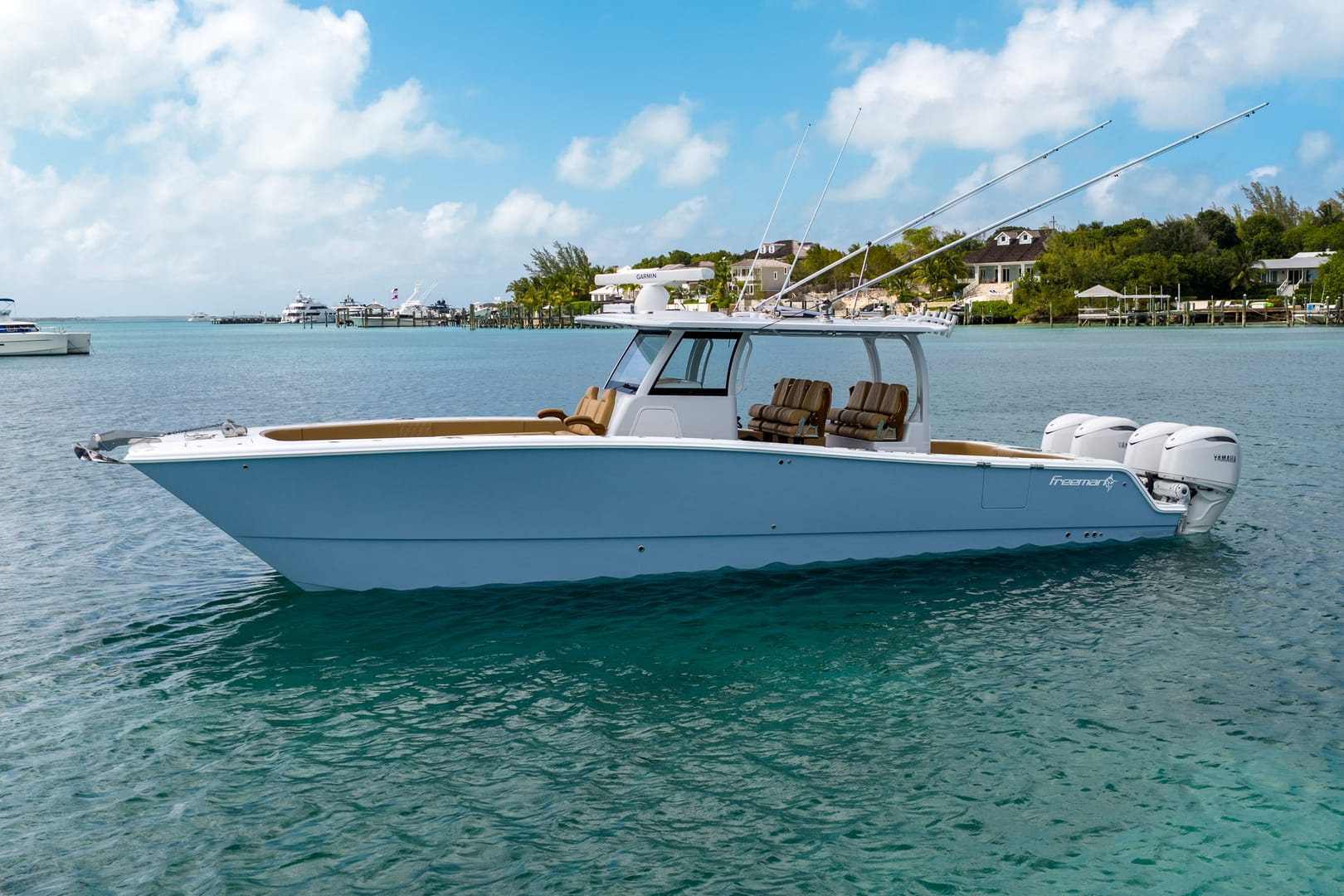
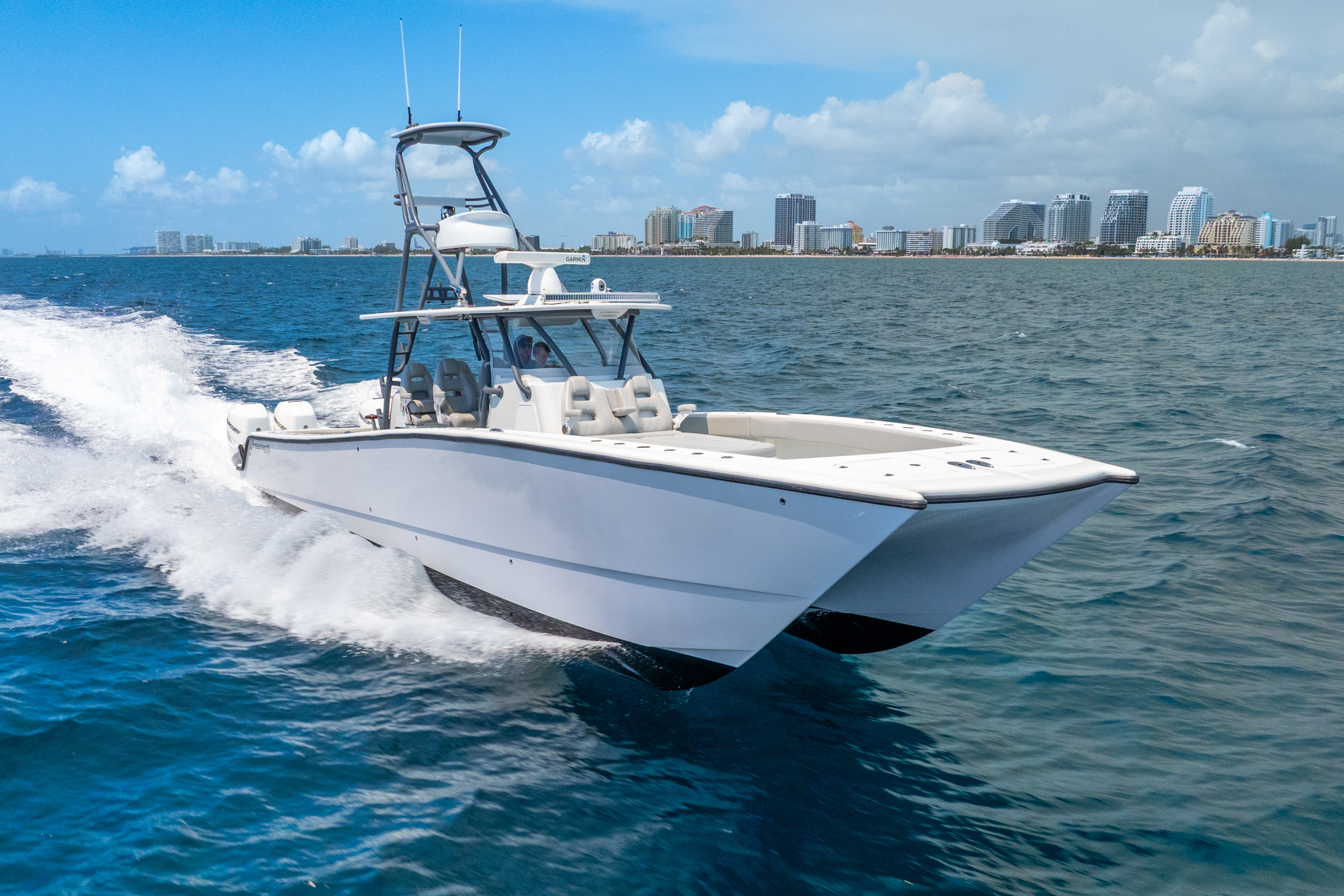
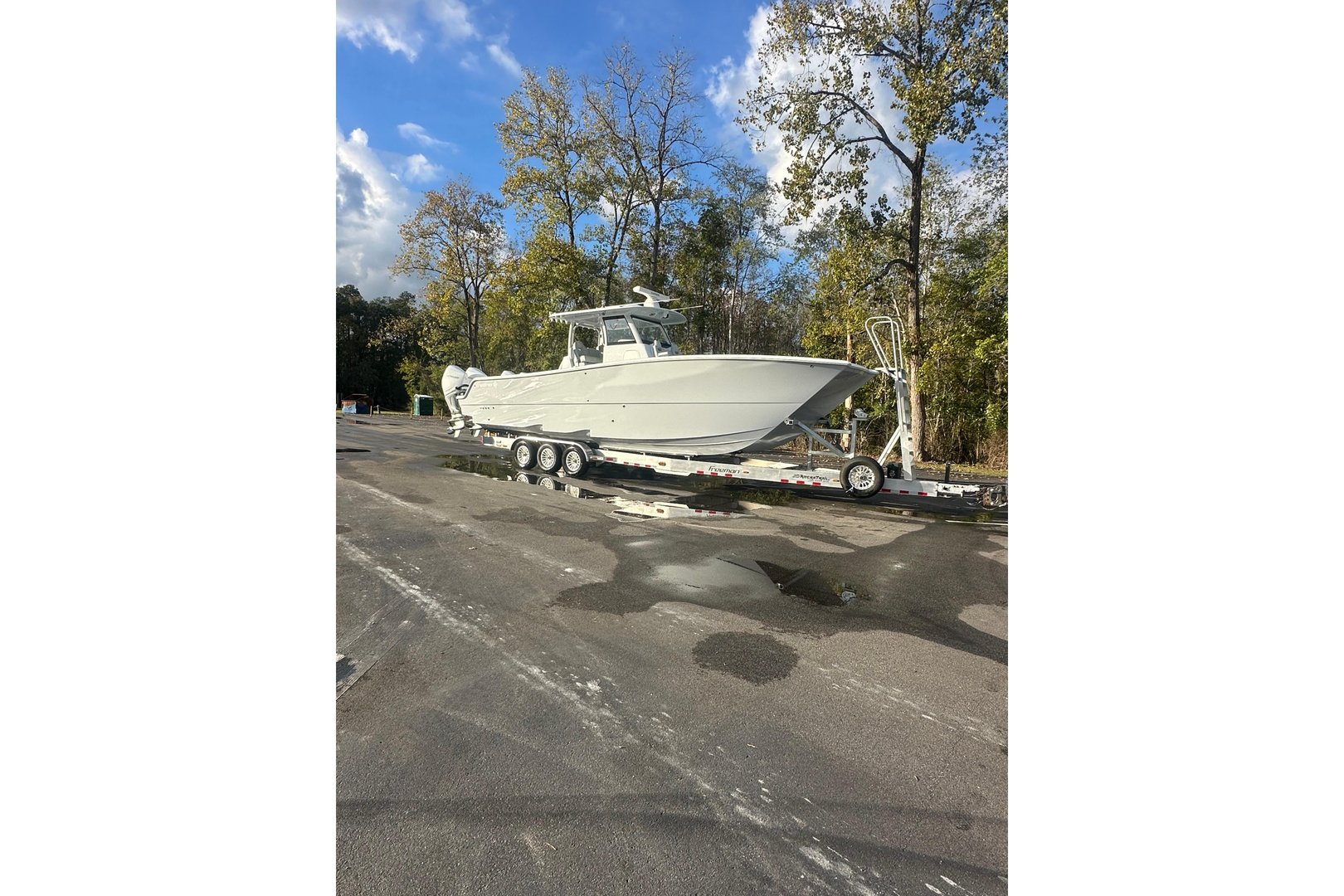
Triple outboard setups have become increasingly common on center consoles and offshore boats, but they also raise questions about cost, complexity, and real-world value. While three engines look impressive on the transom, the decision to go triple should be based on how the boat will actually be used, not just appearance or top-speed numbers.
Why builders offer triple outboards
Triple outboards allow manufacturers to push heavier boats while maintaining performance. As center consoles have grown larger and more feature-rich, additional horsepower has become necessary to deliver acceptable acceleration and cruising speeds.
For many hulls in the 30 to 40 foot range, triples help the boat get on plane more easily and hold speed with a full load of fuel, passengers, and gear.
Performance benefits offshore
One of the biggest advantages of triple outboards is performance. More horsepower translates to faster acceleration, higher cruising speeds, and better control in challenging conditions.
Offshore, this can mean shorter run times and more flexibility when weather or sea state changes unexpectedly.
Redundancy and safety
Triple outboards add redundancy. If one engine fails, the boat can usually still run safely on two.
For offshore anglers who run long distances, that extra layer of backup provides peace of mind that is difficult to quantify but easy to appreciate.
The cost factor
The downside of triple outboards is cost. Initial purchase price increases significantly, and ongoing expenses rise with each additional engine.
Service intervals, parts, and labor all multiply. Fuel burn also increases, especially at higher speeds.
Weight and balance considerations
Adding a third engine adds weight to the transom. Hulls designed specifically for triples handle this well, but retrofitting or pushing a hull beyond its ideal setup can negatively affect ride and efficiency.
A properly matched hull is critical when considering triple outboards.
Maintenance and complexity
More engines mean more systems to monitor. While modern outboards are reliable, triple setups require disciplined maintenance to avoid uneven wear or performance issues.
Owners who stay on top of service schedules tend to be happy with triples. Those who cut corners often feel the cost more sharply.
Do triples hold resale value?
In many markets, triple outboards are expected on larger center consoles. Boats equipped with triples often attract more attention and sell faster.
That said, resale value depends heavily on engine hours, service history, and overall condition.
When triple outboards make sense
- Heavier center consoles with large fuel and equipment loads
- Frequent offshore runs requiring redundancy
- Buyers who prioritize performance and speed
- Boats designed specifically for triple-engine setups
When they may not be worth it
- Lighter boats that perform well with twins
- Owners focused on lower operating costs
- Boats used primarily for short, nearshore trips
Final thoughts
Triple outboards are not automatically better. They offer real benefits in performance and safety, but they come with higher costs and added complexity.
The right choice depends on hull design, usage patterns, and budget. When matched correctly, triple outboards can deliver serious offshore capability. When mismatched, they can feel like unnecessary excess.