Most yacht listings are built as if buyers read every word in order. In reality, buyers skim, scan, and make decisions fast. Understanding how people actually browse listings online explains why some boats get nonstop inquiries while others sit untouched.
Buyers start with photos, not specs
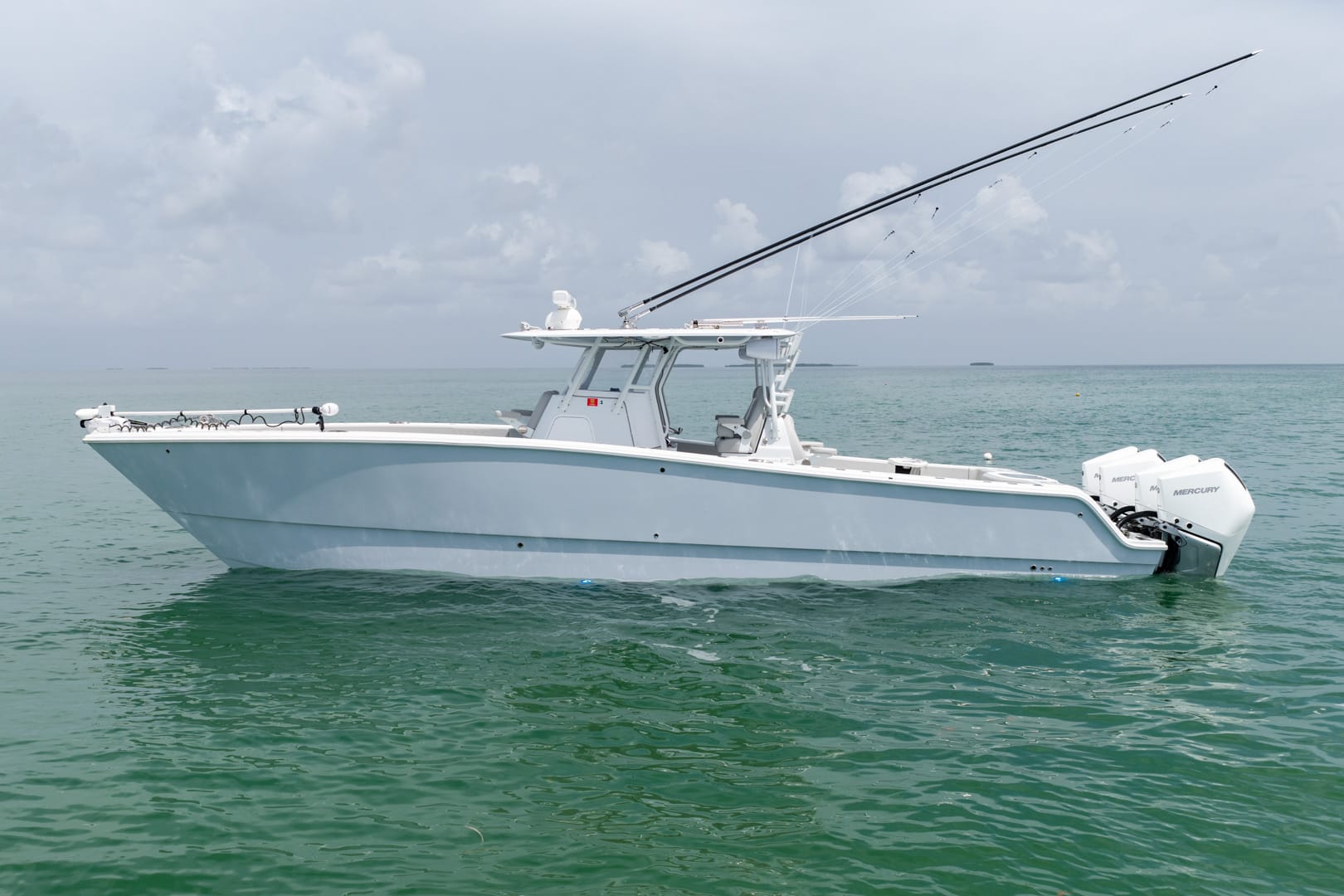
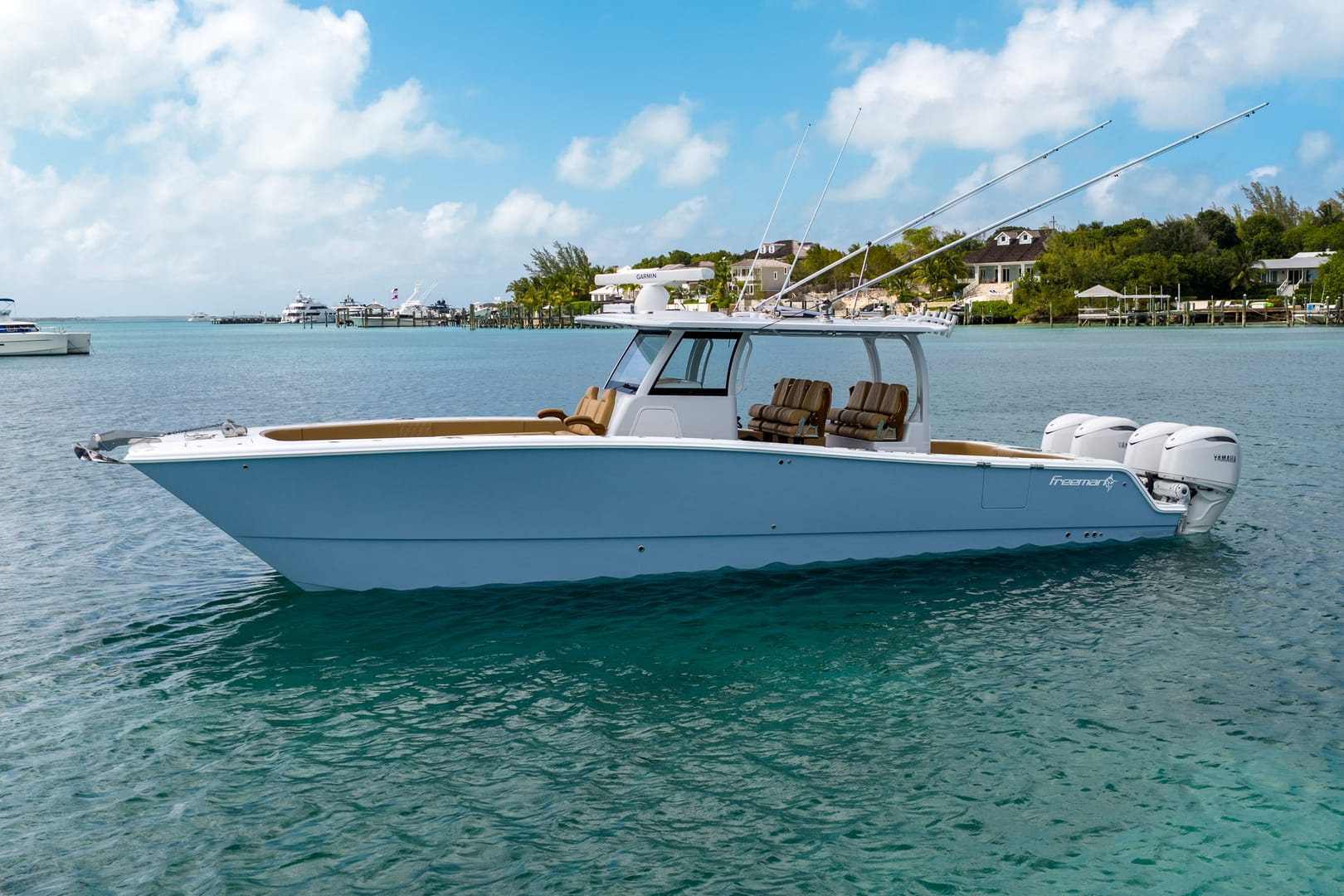
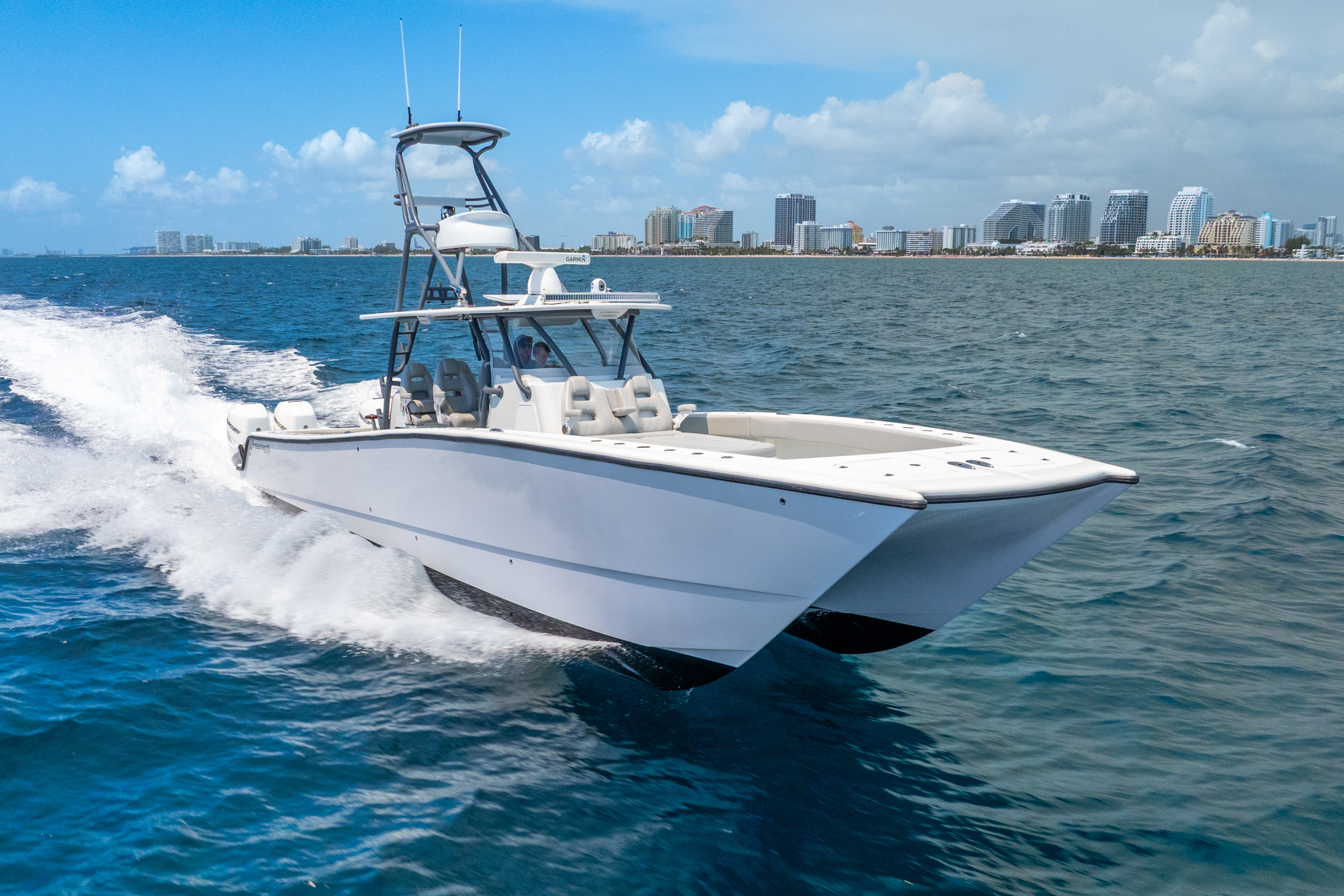
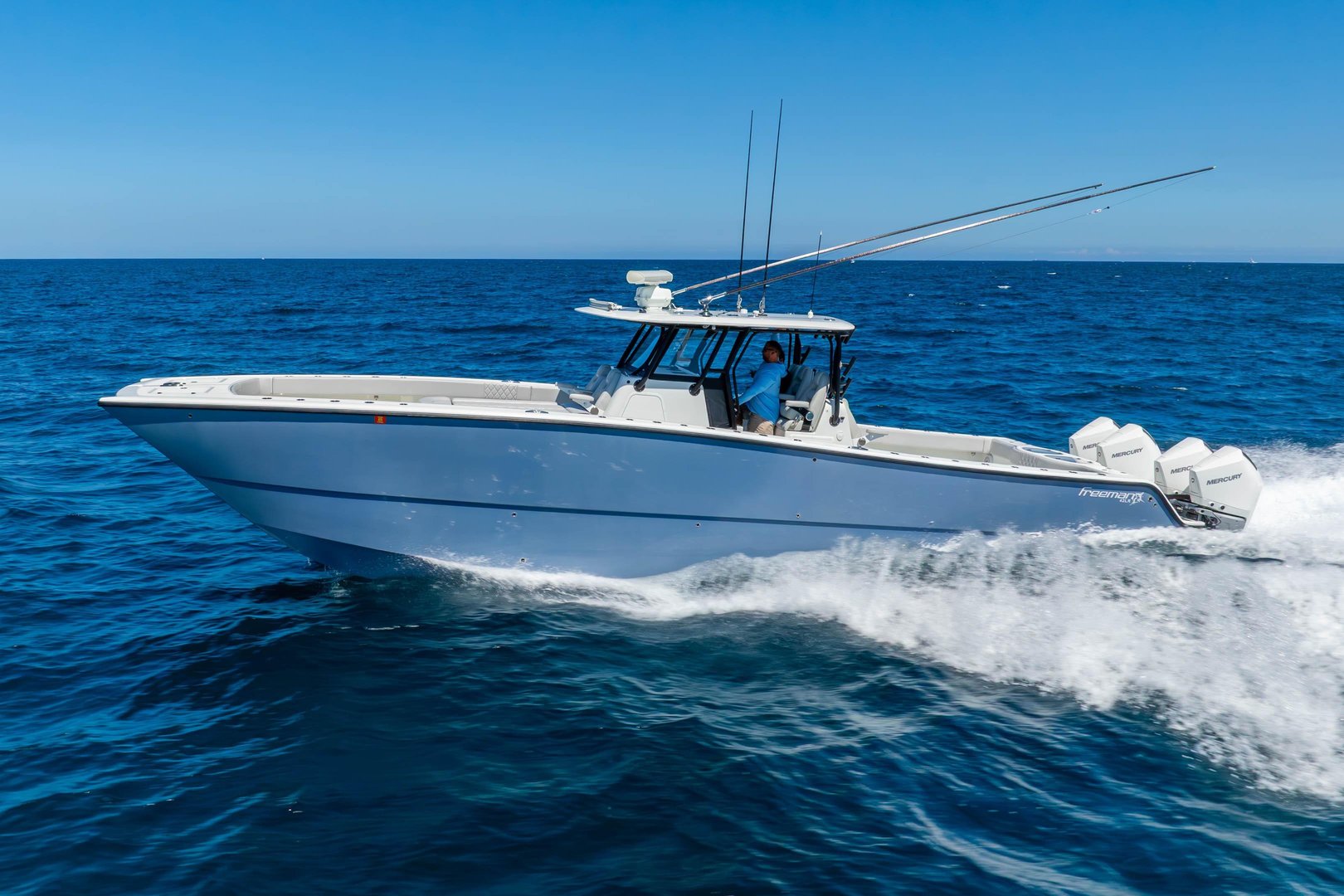
The first thing buyers look at is photography. Before reading a single line of text, they decide whether the yacht looks worth their time.
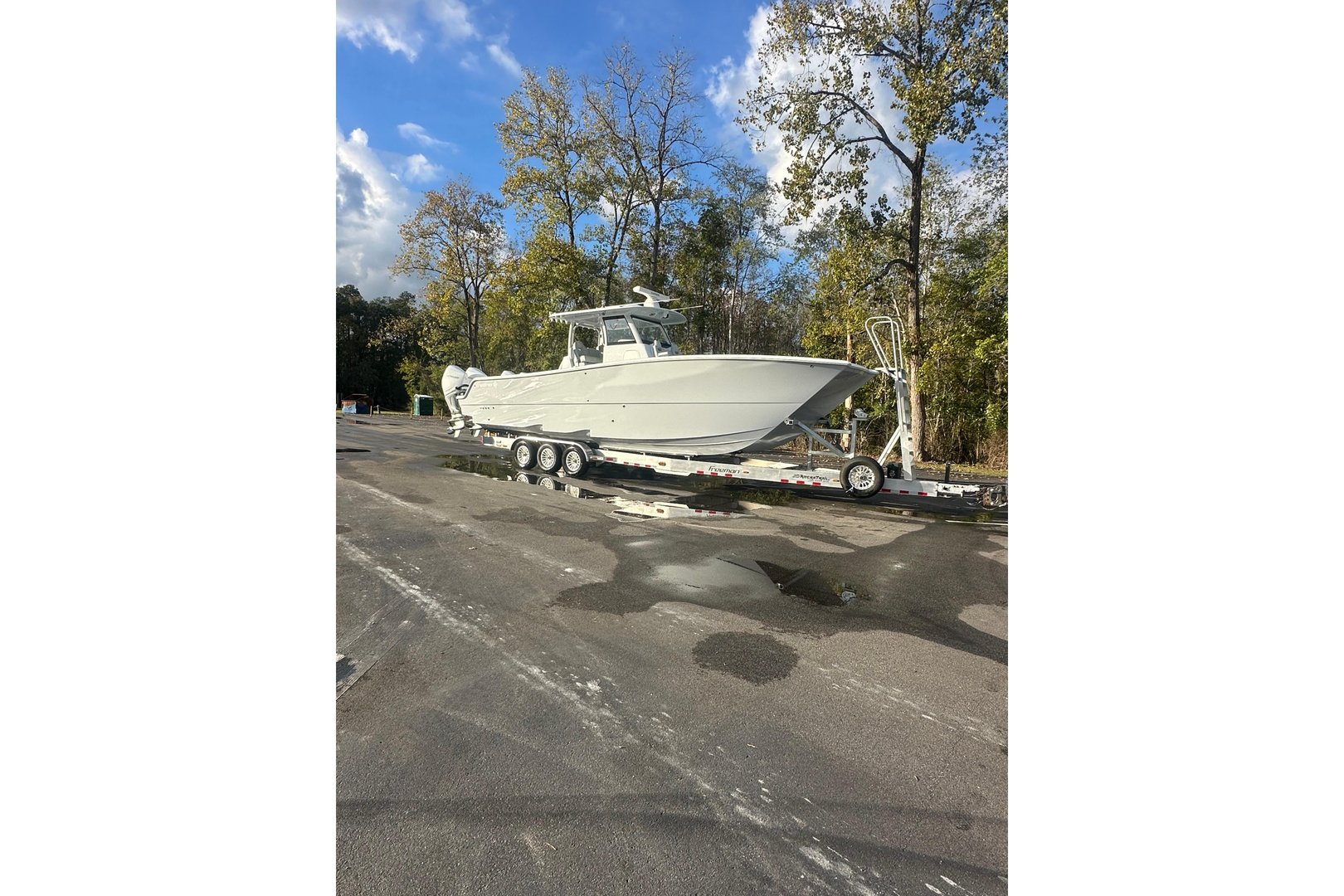
Clean exterior shots, clear profiles, and bright interiors determine whether a buyer clicks deeper or moves on. If the photos feel amateur or incomplete, most buyers never scroll further.
Scrolling behavior is fast and selective
Buyers rarely read listings top to bottom on their first visit. They scroll quickly, stopping only when something catches their eye.
This means listings need visual breaks, short sections, and clear headings. Large blocks of text without structure are often skipped entirely.
Specs are checked after interest is established
Contrary to what many sellers think, specs are not the hook. They are the filter.
Once buyers like what they see visually, they scan specs to confirm the boat fits their needs. If the specs are missing, unclear, or inconsistent, trust drops fast.
Buyers compare multiple listings side by side
Buyers almost always have multiple tabs open. Your listing is being compared directly against similar boats in real time.
Small differences in presentation, clarity, and photo quality stand out immediately. A listing does not need to be perfect, but it must feel easier and safer than the alternatives.
Description quality affects confidence
Buyers do read descriptions, but usually after they are already interested. At that point, the goal is reassurance.
Clear explanations of layout, condition, upgrades, and recent maintenance build confidence. Vague language or overly sales-driven descriptions often create doubt instead.
Buyers look for signs of care and professionalism
Online buyers cannot touch the boat, so they look for signals.
Organized photos, consistent information, and transparent descriptions signal that the yacht has been cared for. Sloppy listings signal risk, even if the boat is solid.
Time on market influences perception
Savvy buyers notice how long a listing has been active. A boat that has sat for months raises questions, even if the price is fair.
Listings that feel fresh, updated, and active generate more urgency than stale listings with outdated content.
Mobile browsing dominates early research
Many buyers first encounter listings on their phones. That means photos need to read well on small screens and text needs to be easy to scan.
Listings built only for desktop viewing often underperform on mobile, where most initial browsing happens.
What actually triggers an inquiry
Buyers usually reach out when three things align:
- The yacht looks clean and well-presented
- The description answers basic questions clearly
- The price feels justified by presentation
When any of these are missing, buyers hesitate or move on.
Why presentation beats exposure
Simply putting a yacht on multiple platforms is not enough. Buyers are overwhelmed with options.
The listings that perform best are the ones that reduce friction. They are easy to understand, visually appealing, and transparent.
Final thoughts
Buyers browse yacht listings quickly, visually, and comparatively. Listings that respect that behavior perform better.
Strong photography, clear structure, and honest descriptions turn casual browsers into serious inquiries. The goal is not to impress everyone, but to make the right buyer feel confident enough to take the next step.