Is a 30-Foot Boat Too Small for Offshore?
This is one of the most common questions people ask when they’re looking to move beyond nearshore cruising. A 30-foot boat sits right at the psychological line for many buyers. Some see it as the minimum for offshore capability, while others think it’s undersized and risky. The truth is more nuanced.
A 30-foot boat can absolutely go offshore, but whether it’s the right choice depends on conditions, hull design, experience level, and how you plan to use it.
What “offshore” actually means
Offshore means different things to different boaters. For some, it’s a 10–15 mile run to fish reefs. For others, it’s crossing to the Bahamas or running 40 miles out to deep water.
A 30-foot boat may be perfectly suited for shorter offshore trips in favorable conditions, but extended runs in unpredictable weather require more planning and restraint.
Hull design matters more than length
Boat length alone doesn’t determine offshore capability. Hull shape, deadrise, construction quality, and weight distribution play a bigger role.
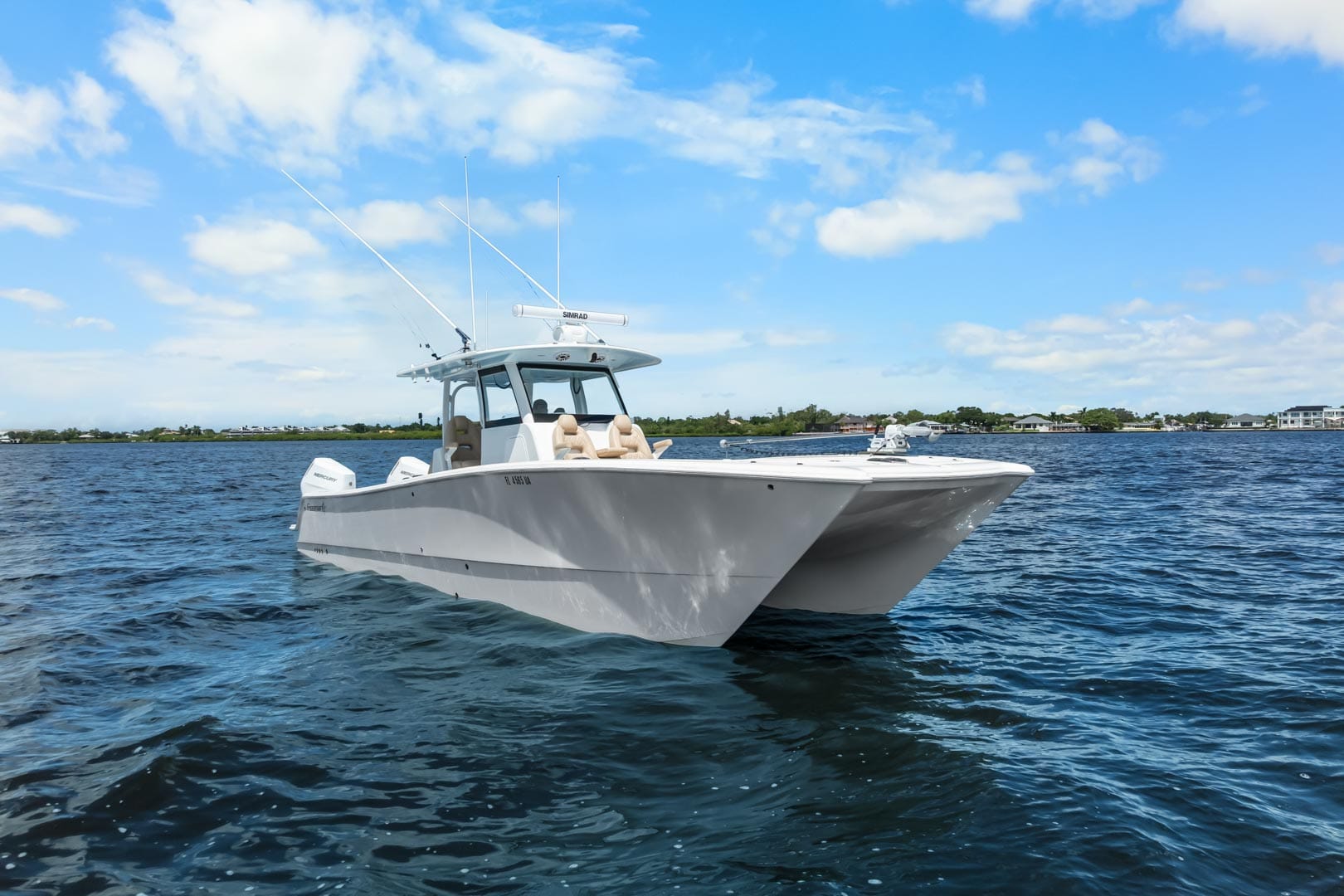
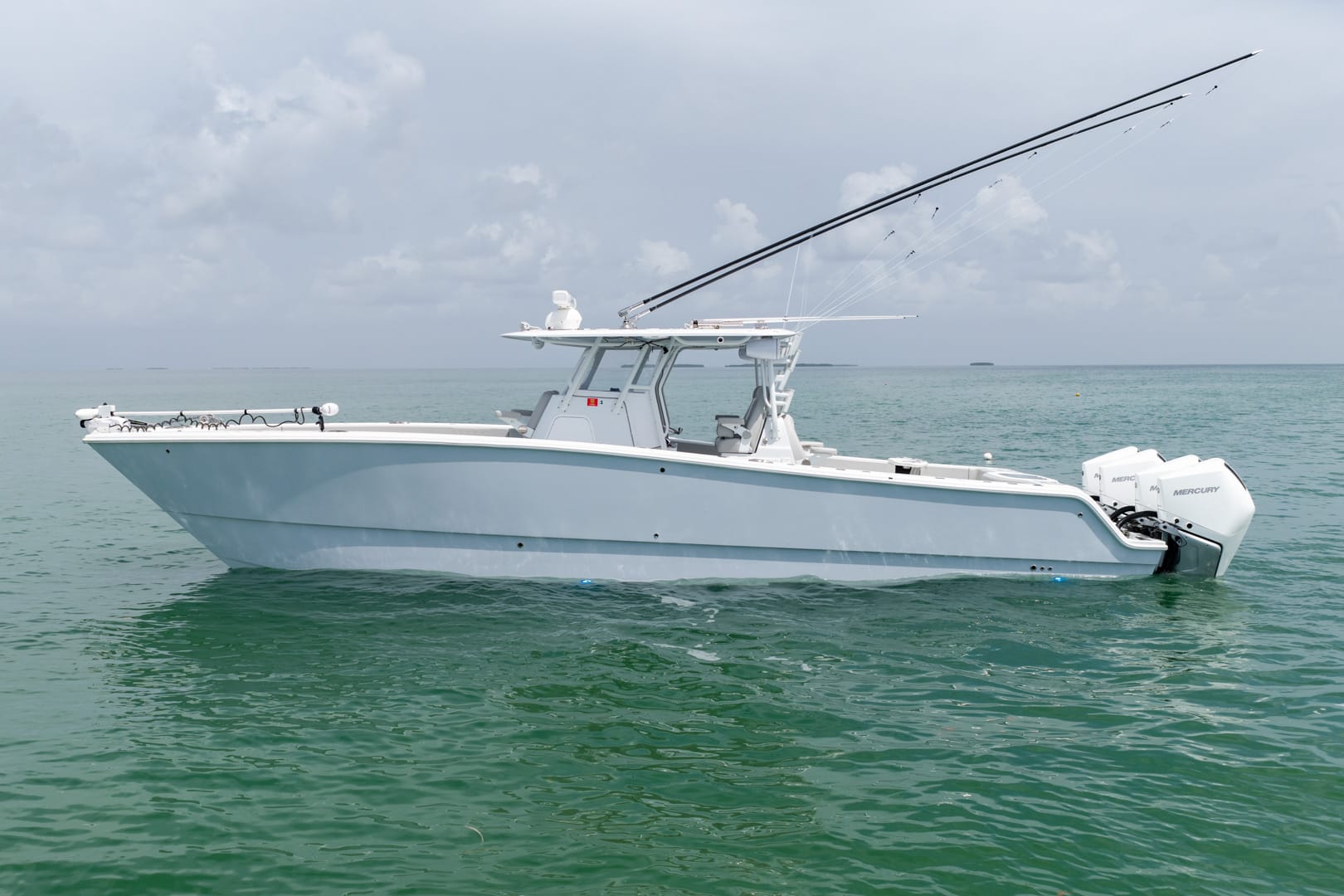
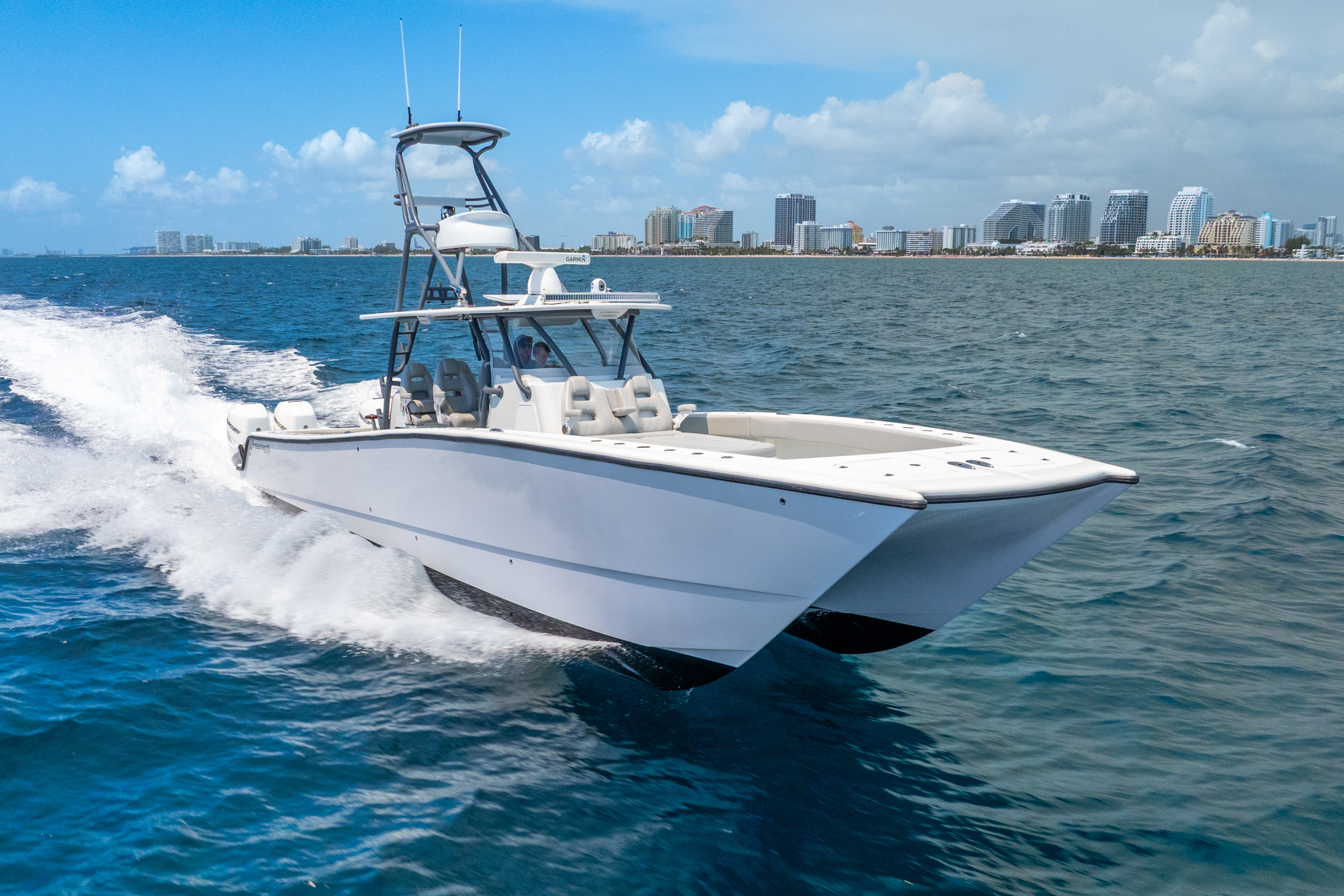
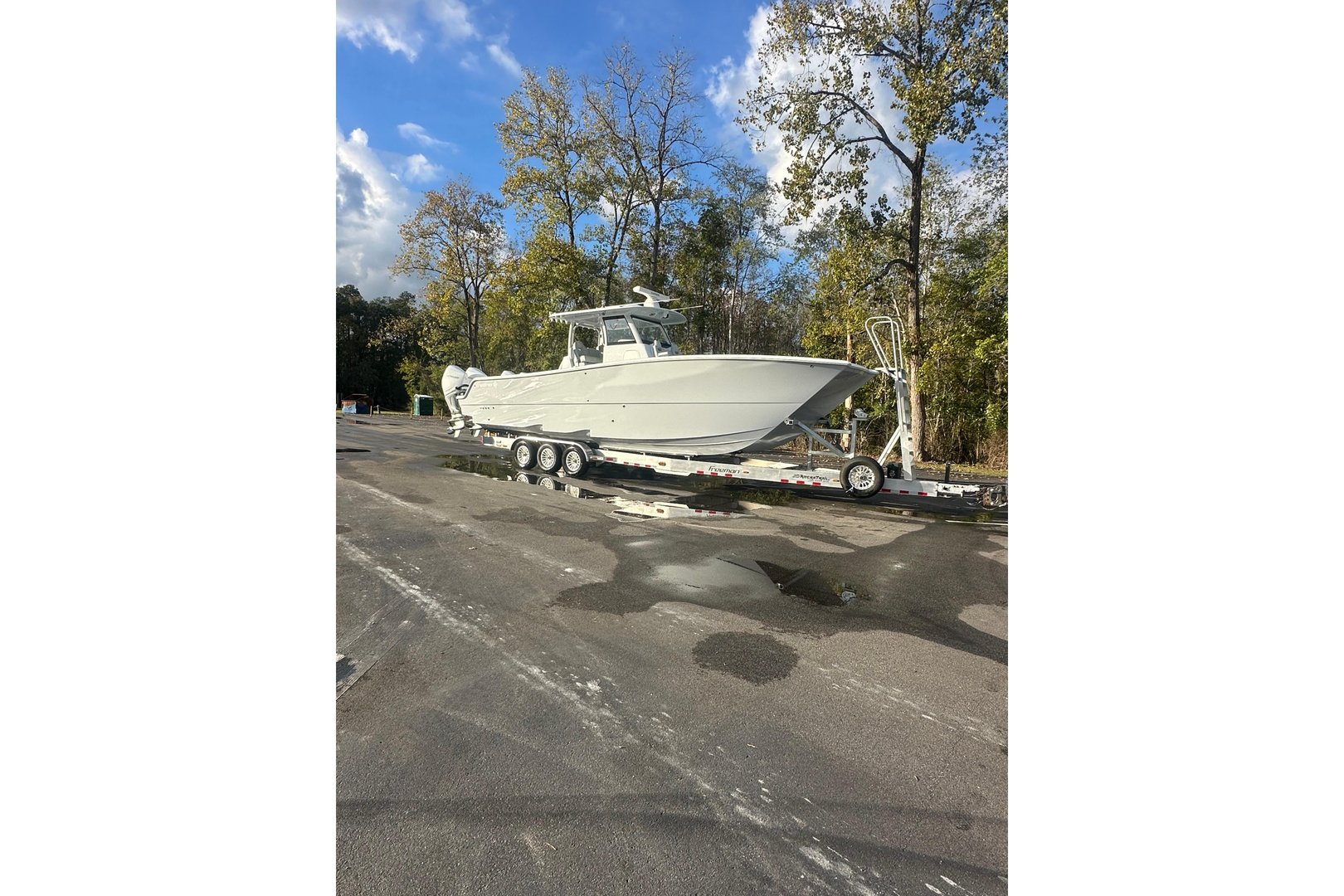
A well-built 30-foot deep-V or catamaran with solid construction can handle rough water better than a poorly designed larger boat. Freeboard, bow flare, and how the hull lands in waves all affect safety and comfort offshore.
Weather windows are critical
With a 30-foot boat, weather matters more. Offshore trips need to be planned around good forecasts and conservative go/no-go decisions.
Larger boats can muscle through deteriorating conditions with more comfort and safety margin. On a 30-footer, avoiding bad weather entirely is the smarter approach.
Range and fuel capacity
Fuel range is one of the biggest limiting factors for smaller offshore boats. A 30-foot boat typically carries less fuel than larger offshore platforms, which means tighter margins.
Smart offshore operators follow the rule of thirds: one-third of fuel out, one-third back, and one-third in reserve. If your planned run doesn’t fit within that margin, the boat is too small for that trip.
Redundancy and reliability
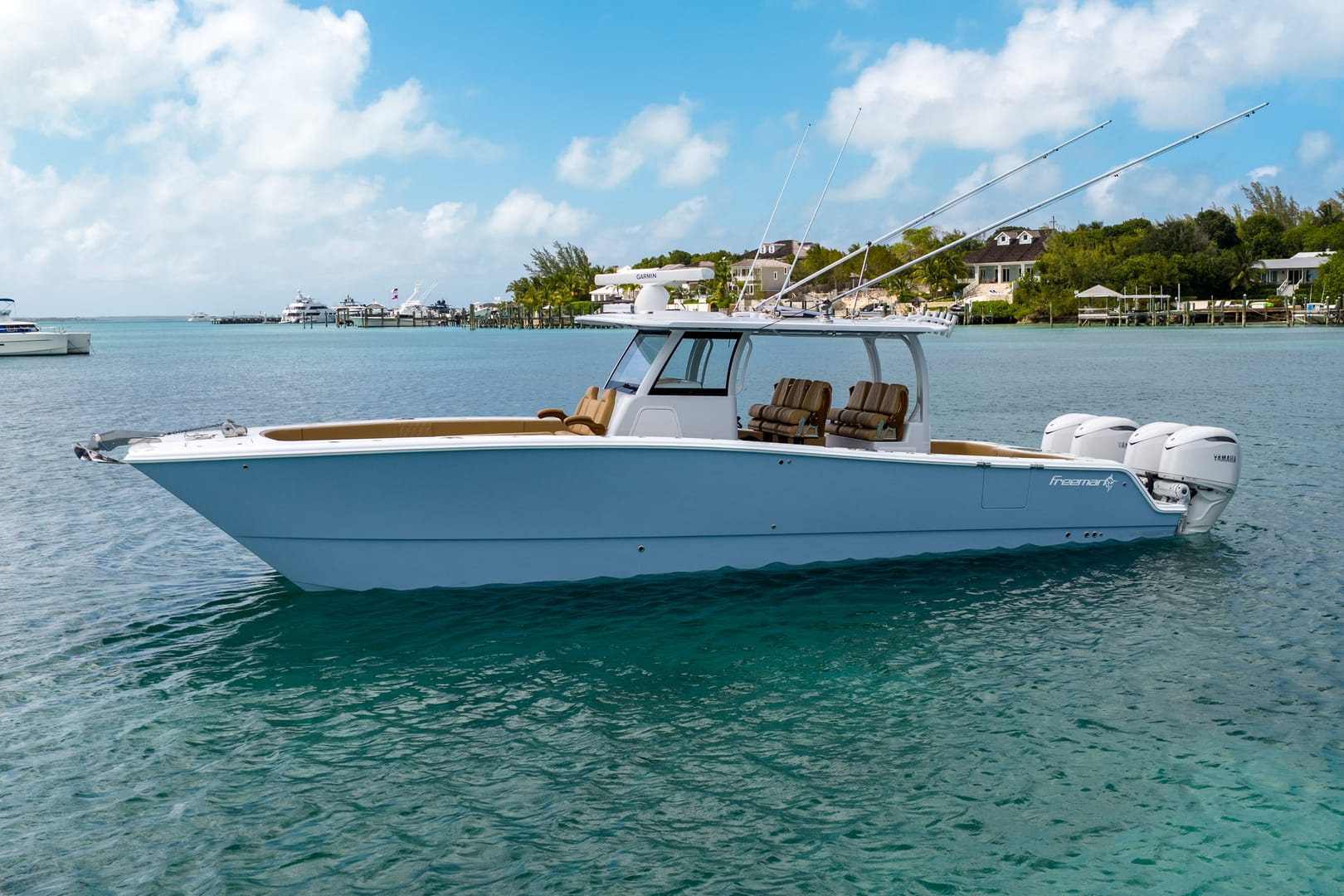
Offshore boating demands redundancy. Many 30-foot boats run twin outboards, which provides a backup if one engine fails.
Reliable electronics, a well-maintained fuel system, proper bilge pumps, and backup navigation tools are essential. A smaller boat doesn’t forgive mechanical neglect offshore.
Experience level of the operator
A capable captain in a 30-foot boat is often safer than an inexperienced operator in a much larger vessel.
Knowing how to read weather, manage speed in seas, trim the boat correctly, and make conservative decisions is critical. Offshore experience matters more than raw boat size.
Comfort vs capability
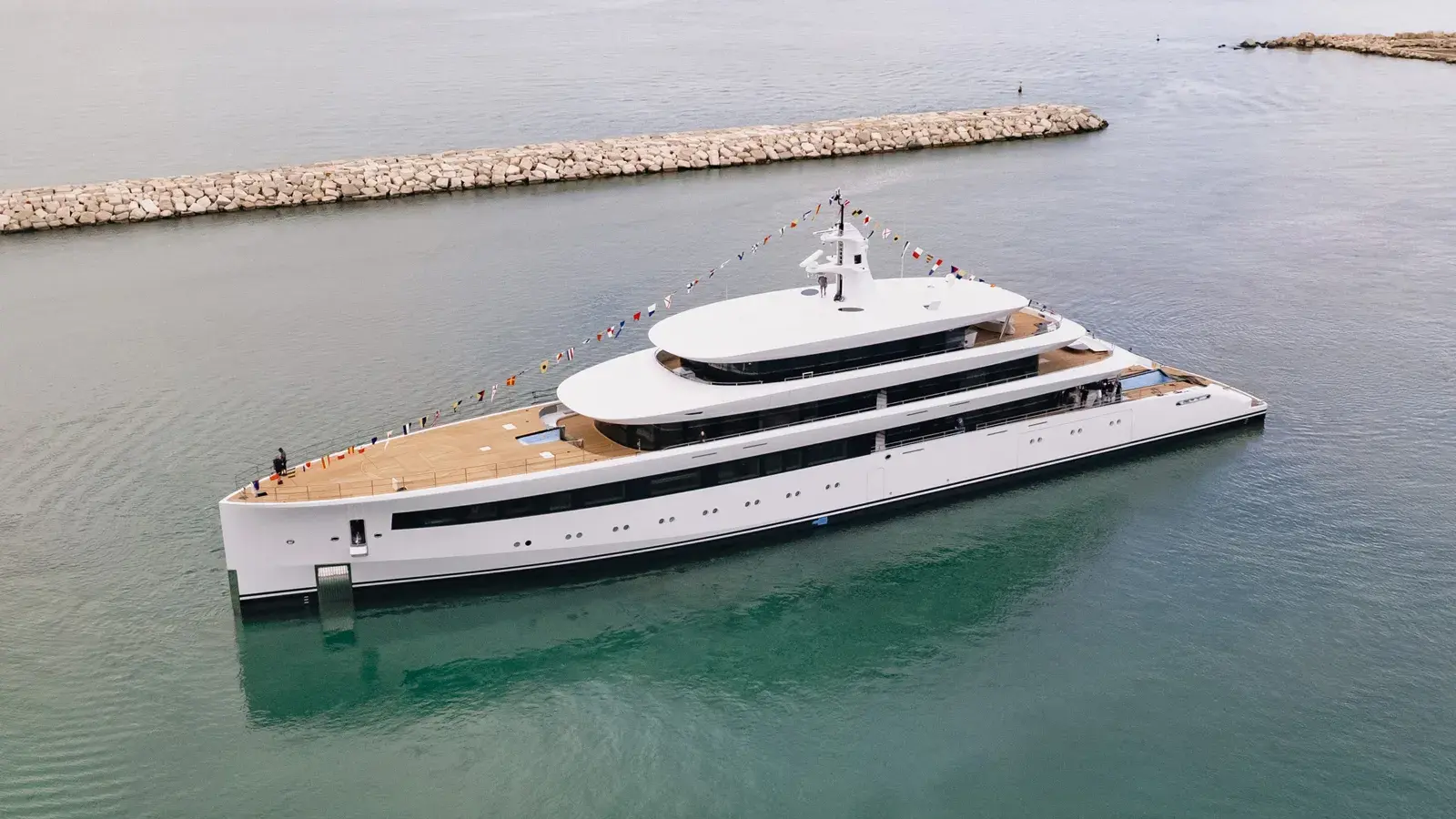
A 30-foot boat can be capable offshore, but comfort is limited compared to larger yachts. Expect more spray, more motion, and more fatigue on longer runs.
If offshore trips are occasional and short, this may be acceptable. If offshore boating is your primary use, stepping up in size may make sense.
When a 30-foot boat makes sense offshore
- Short offshore runs in good weather
- Experienced operator with solid safety planning
- Well-built hull with twin engines
- Clear fuel range calculations
- Focus on day trips rather than extended cruising
When it may be too small
- Long offshore runs or crossings
- Unpredictable weather regions
- Heavy load of people and gear
- Desire for overnight comfort
- Limited offshore experience
Final thoughts
A 30-foot boat is not inherently too small for offshore boating. It can be a capable and enjoyable platform when used within its limits.
The real question isn’t size, it’s judgment. Offshore boating rewards preparation, experience, and conservative decision-making far more than extra feet of length. When those pieces are in place, a 30-footer can safely deliver serious offshore fun.