This is one of the most common questions people ask when they start looking seriously at yachts. Chartering feels expensive on the surface, while ownership feels like a long-term investment. The reality is more nuanced. Whether chartering is cheaper than owning depends on how often you boat, what size yacht you want, and how much responsibility you’re willing to take on.
The basic difference between chartering and owning
When you charter a yacht, you pay for access. You cover the charter fee, expenses for fuel, food, and crew, then walk away at the end of the trip.
When you own a yacht, you pay for everything all the time. Even when the boat is sitting at the dock, costs continue. Ownership gives freedom and availability, but it also comes with fixed expenses that don’t disappear when you’re not using the boat.
What chartering a yacht really costs
Charter pricing varies widely by yacht size, destination, and season, but here are realistic ranges:
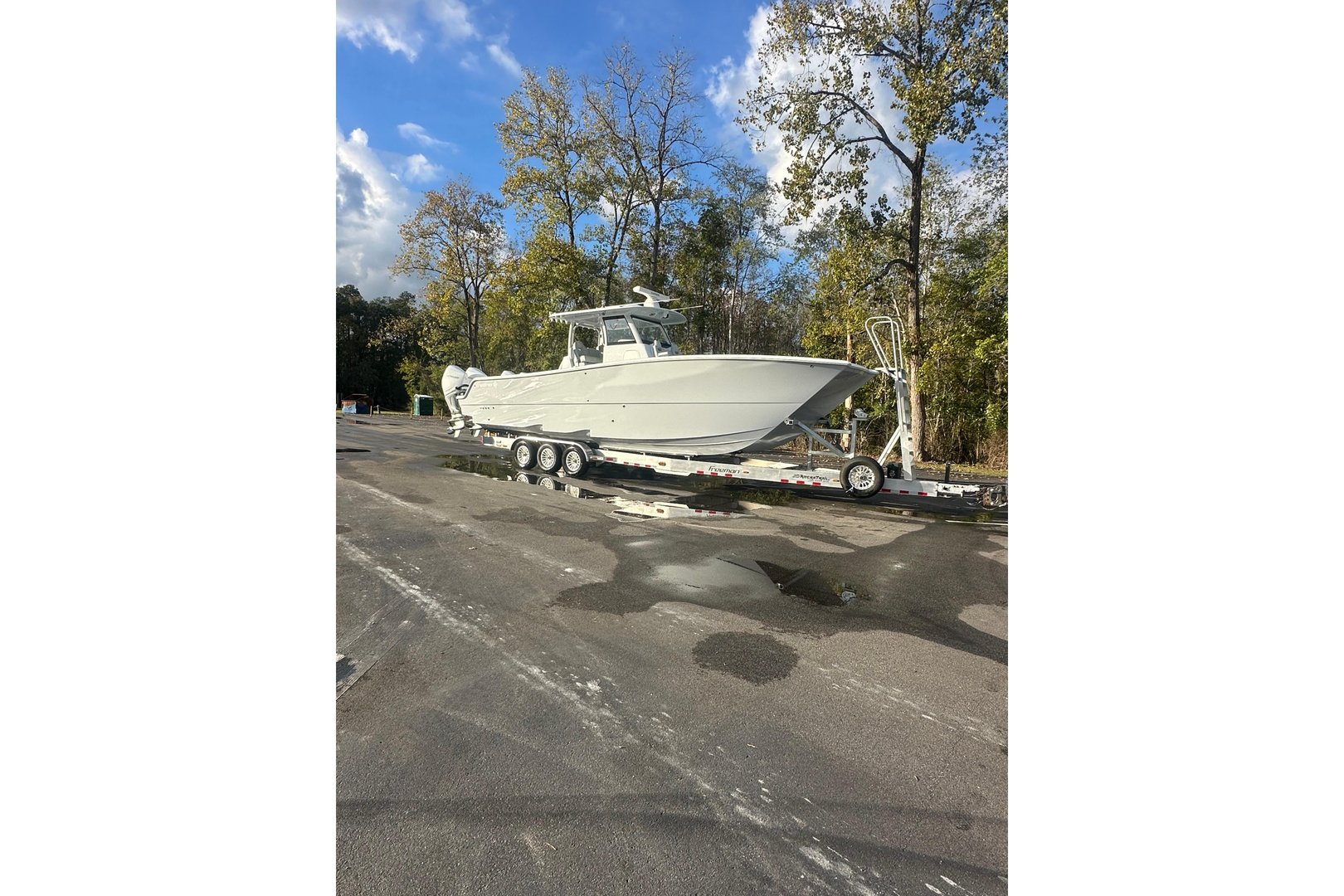
- 40–50 ft yacht: roughly $15,000 to $30,000 per week
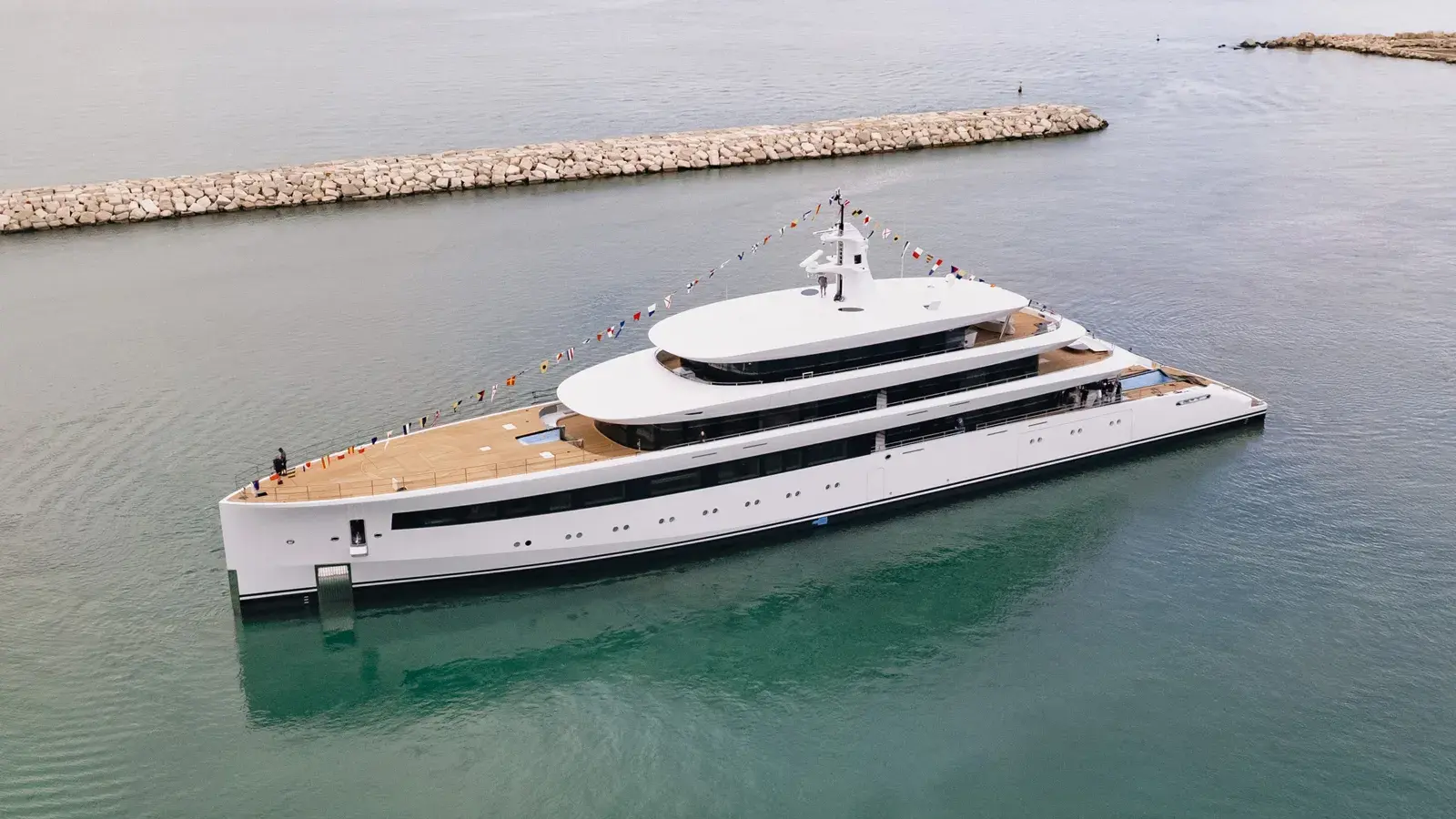
- 60–80 ft yacht: roughly $35,000 to $80,000 per week
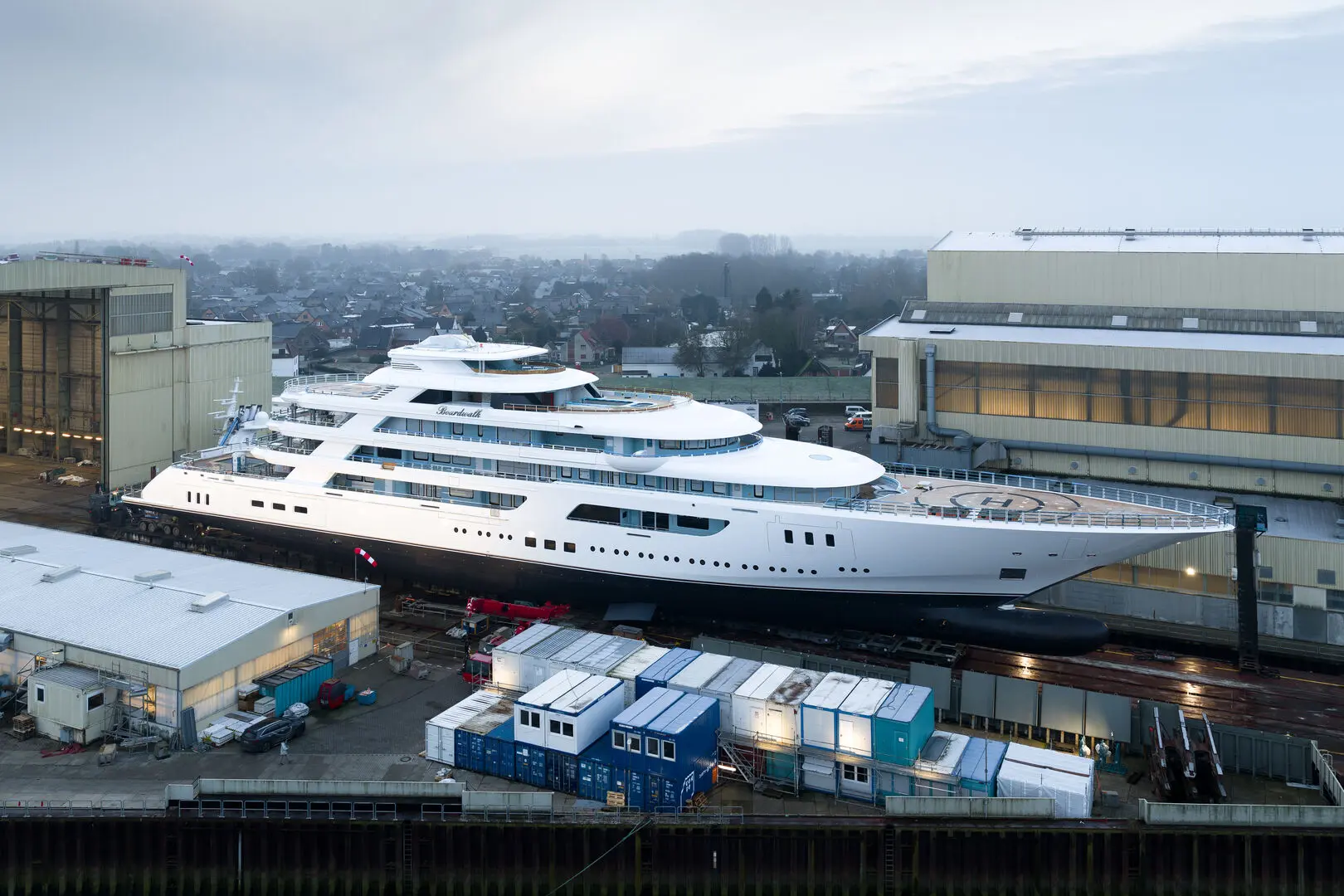
- 100+ ft superyacht: $100,000 per week and up
On top of the base rate, charterers typically pay an advance provisioning allowance (APA), which covers fuel, food, dockage, and other trip expenses.
The upside is predictability. You know what each trip costs, and you’re not paying for the yacht when you’re not using it.
What owning a yacht really costs
Yacht ownership includes both fixed and variable costs. Even a modest yacht can generate significant annual expenses.
- Maintenance and repairs
- Insurance
- Dockage or storage
- Fuel
- Crew or professional management (on larger yachts)
A common rule of thumb is to budget around 10% of the yacht’s value per year for operating and maintenance costs. That number can be lower for newer boats and higher for older or heavily used yachts.
How often you use the yacht matters most
Usage is the biggest factor in deciding whether chartering or owning is cheaper.
If you only plan to use a yacht for a few weeks per year, chartering is almost always the more economical option. You get access to different yachts in different locations without year-round expenses.
If you use a yacht frequently, ownership can start to make financial sense. Regular weekend use, spontaneous trips, and extended onboard time all favor owning, even though the yearly costs are higher.
Flexibility vs convenience
Chartering offers flexibility. You can choose a different yacht every time, try new destinations, and avoid long-term commitments.
Ownership offers convenience. The boat is always yours. You can leave personal items onboard, customize the layout, and go whenever you want without planning months ahead.
Hidden costs and hidden benefits
Chartering hides costs in the weekly rate, which feels simple but can add up quickly if you charter multiple times per year.
Ownership hides benefits that aren’t financial. Familiarity with the boat, consistency of crew, and the ability to tailor the yacht exactly to your lifestyle often matter more than money for long-term owners.
What about chartering your own yacht?
Some owners offset costs by placing their yacht into charter service. This can help reduce annual expenses, but it comes with trade-offs.
- Increased wear and tear
- Less availability for personal use
- Additional management and compliance requirements
Charter income rarely makes ownership “cheap,” but it can make it more manageable if structured properly.
So, is chartering cheaper than owning?
For most people, yes. If you use a yacht occasionally and value simplicity, chartering is usually cheaper and far less stressful.
Ownership becomes worthwhile when boating is a core part of your lifestyle, not just a vacation activity. The value then comes from access, freedom, and personal enjoyment rather than pure financial efficiency.
Final thoughts
Chartering and owning serve different purposes. Chartering maximizes flexibility and minimizes responsibility. Ownership maximizes freedom and control.
The smarter choice isn’t about which is cheaper on paper. It’s about which option fits how you actually want to live on the water.