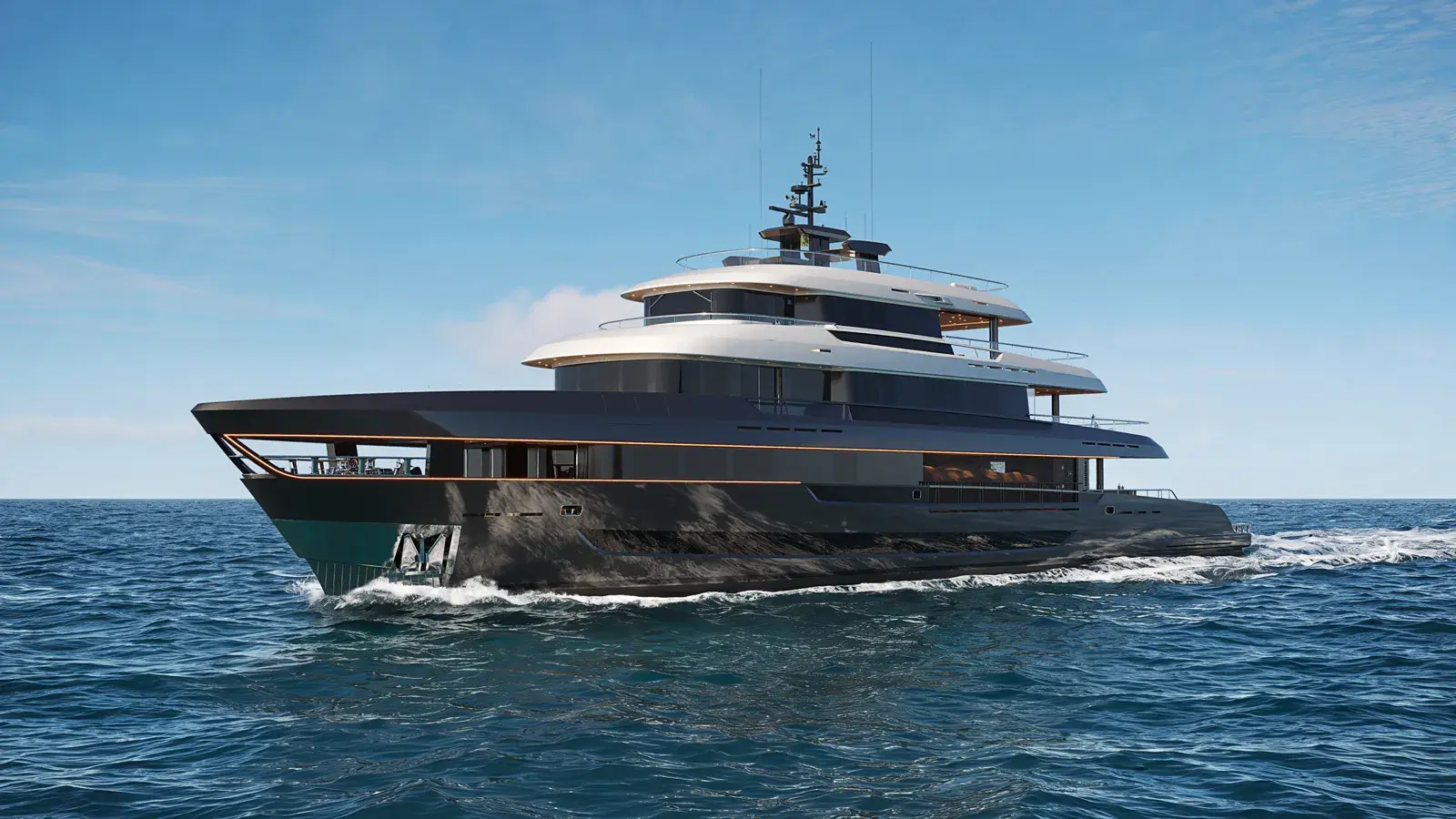
One of the most common debates in offshore boating is whether outboards or inboards are the better choice. Both power setups have loyal followings, and both can be excellent offshore when matched to the right boat and the right use case. The problem is that many buyers choose based on trends or brand perception instead of how they actually run their boat.
The better option offshore depends on factors like range, speed, service access, sea conditions, and how you plan to use the boat. This guide breaks it down in simple terms.
What people mean by outboards and inboards
Before comparing performance, it helps to define the setups:
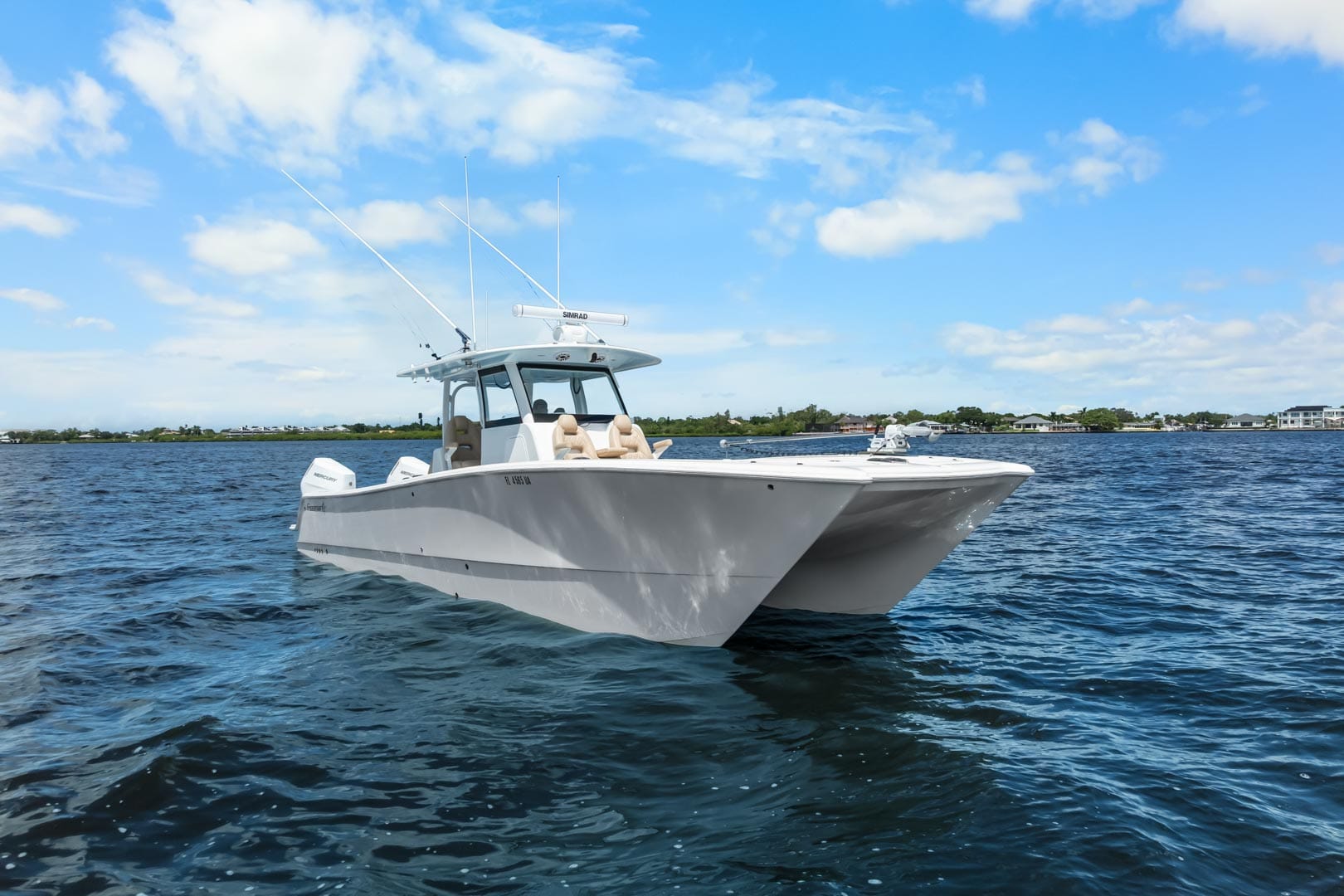
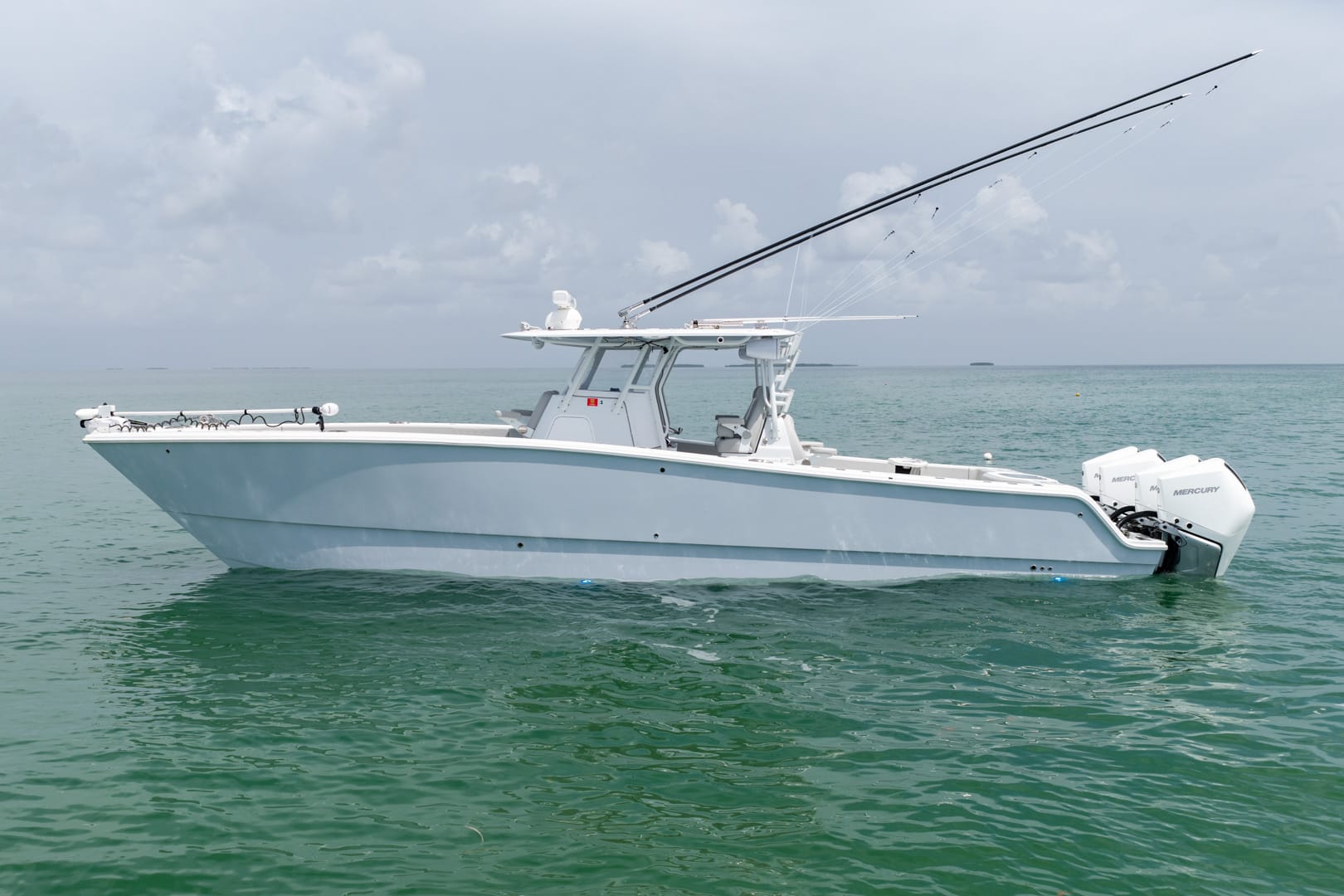
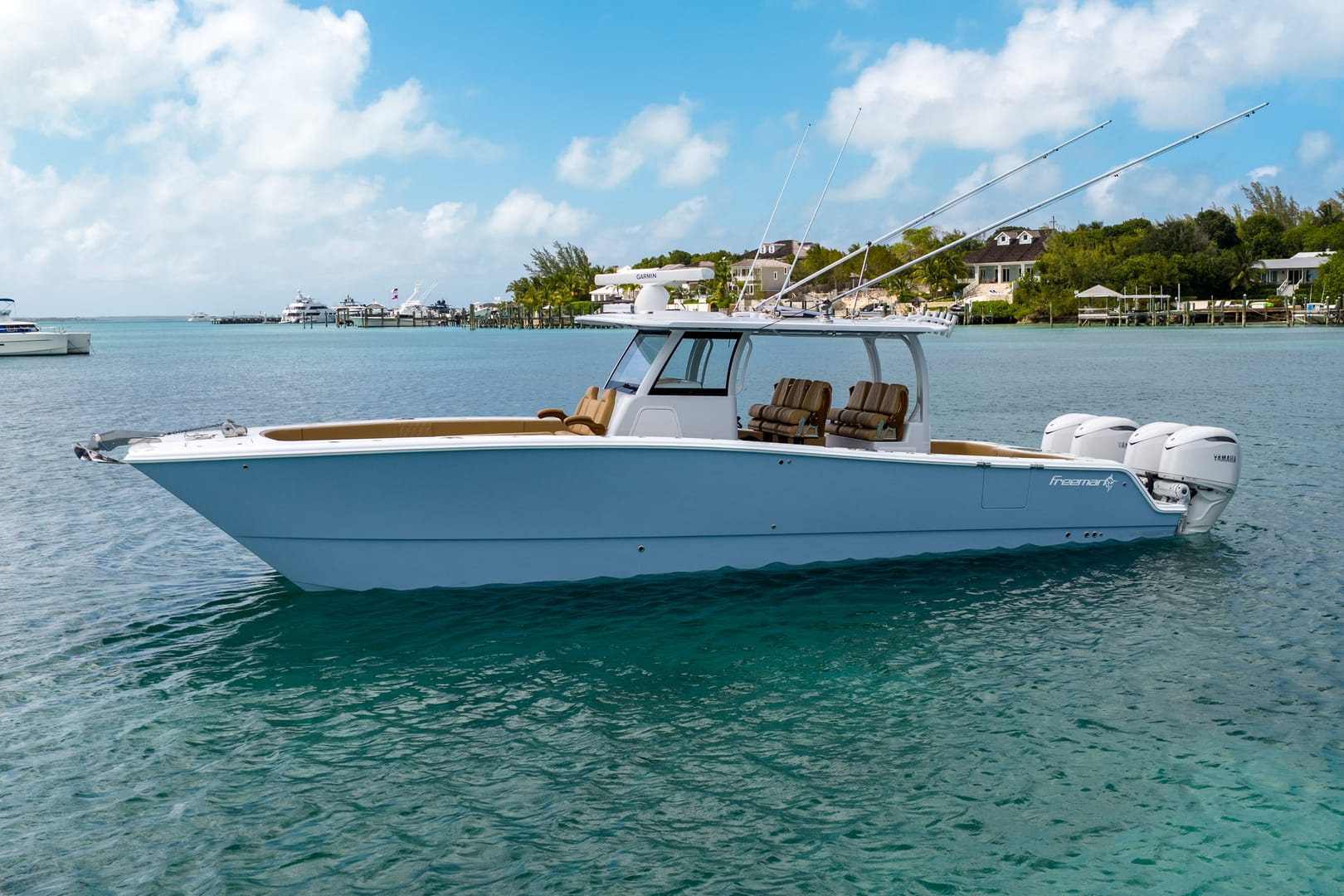
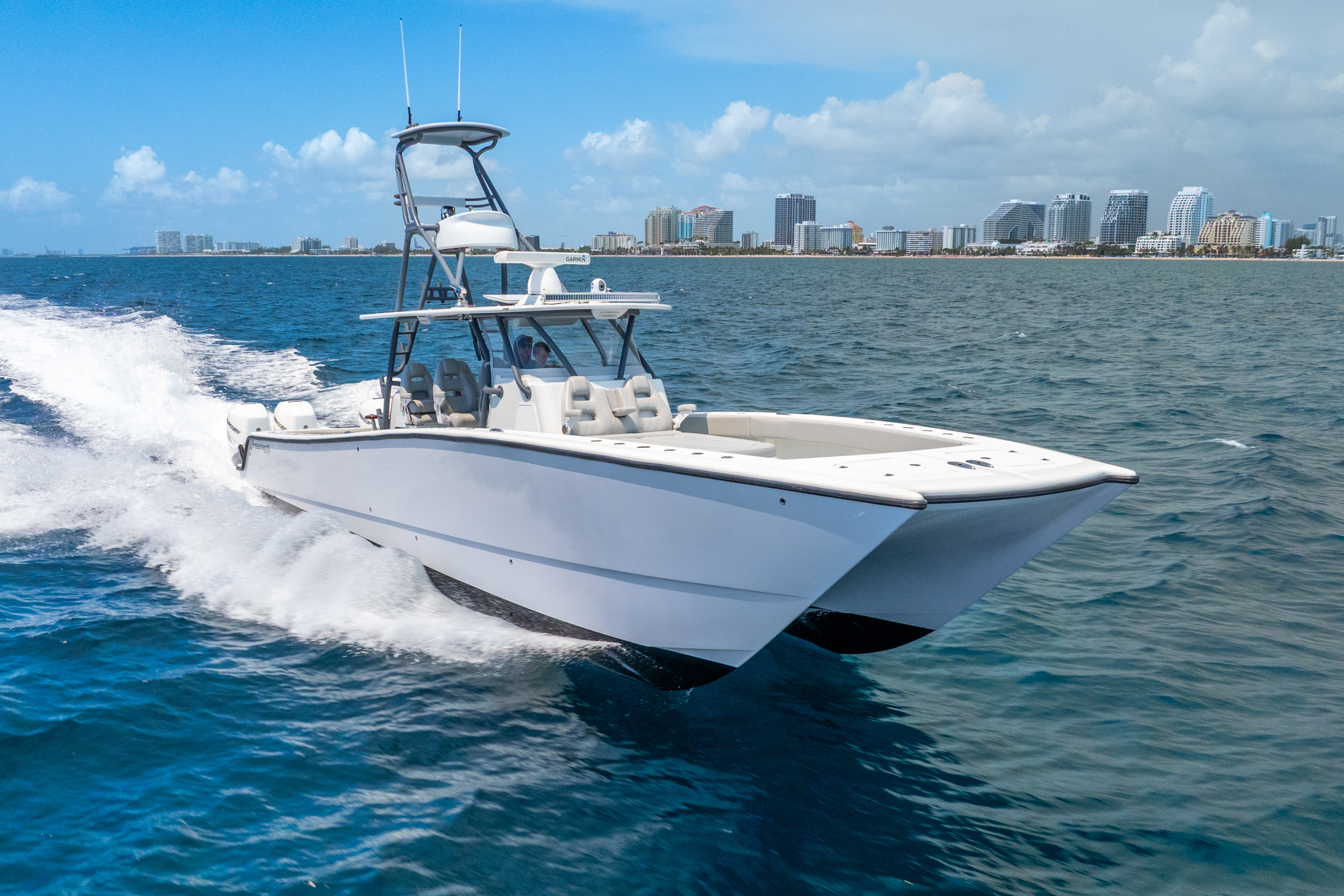
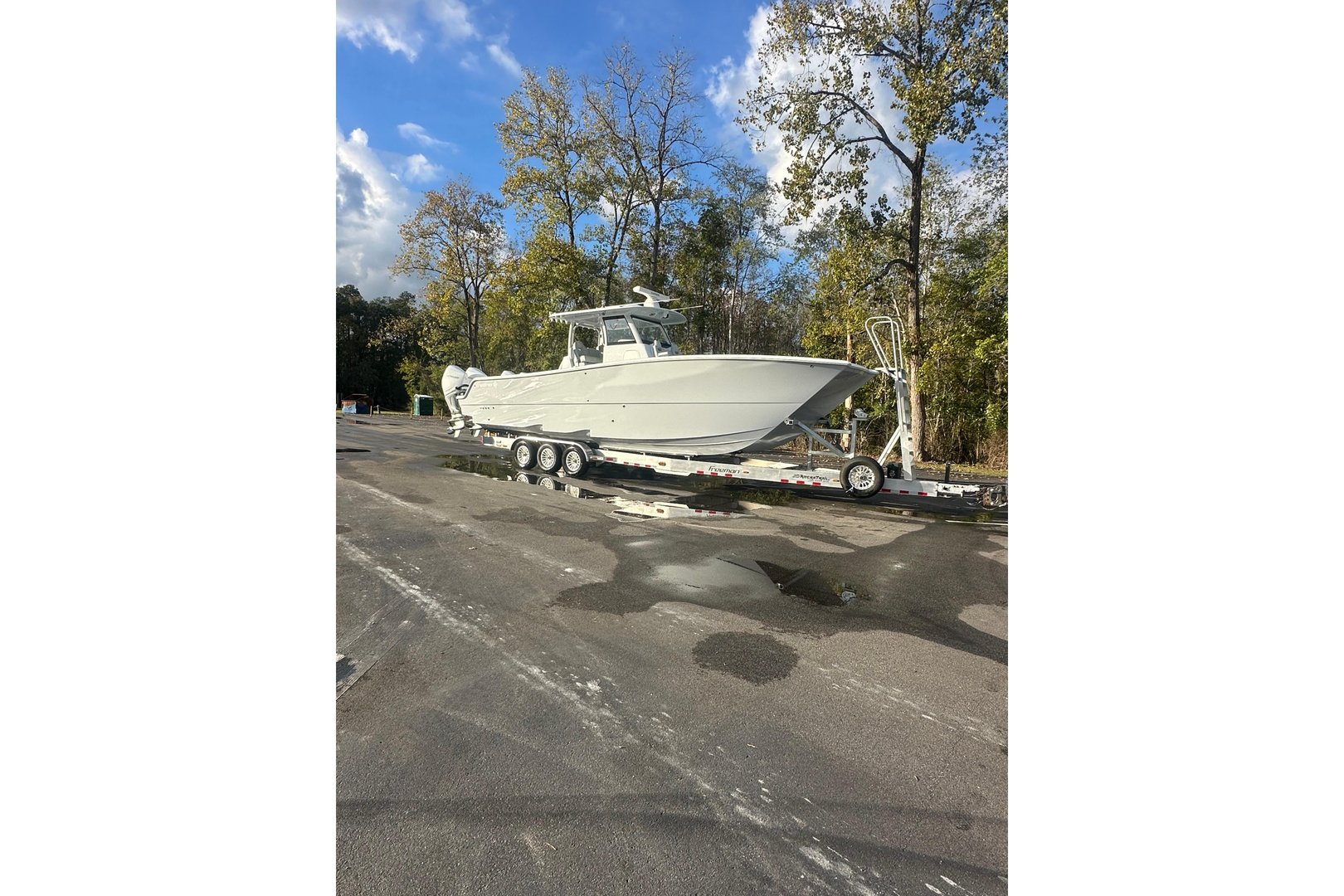
- Outboards: Engines mounted externally on the transom. Common on center consoles, catamarans, and performance boats. Typically run in twin, triple, or quad configurations.
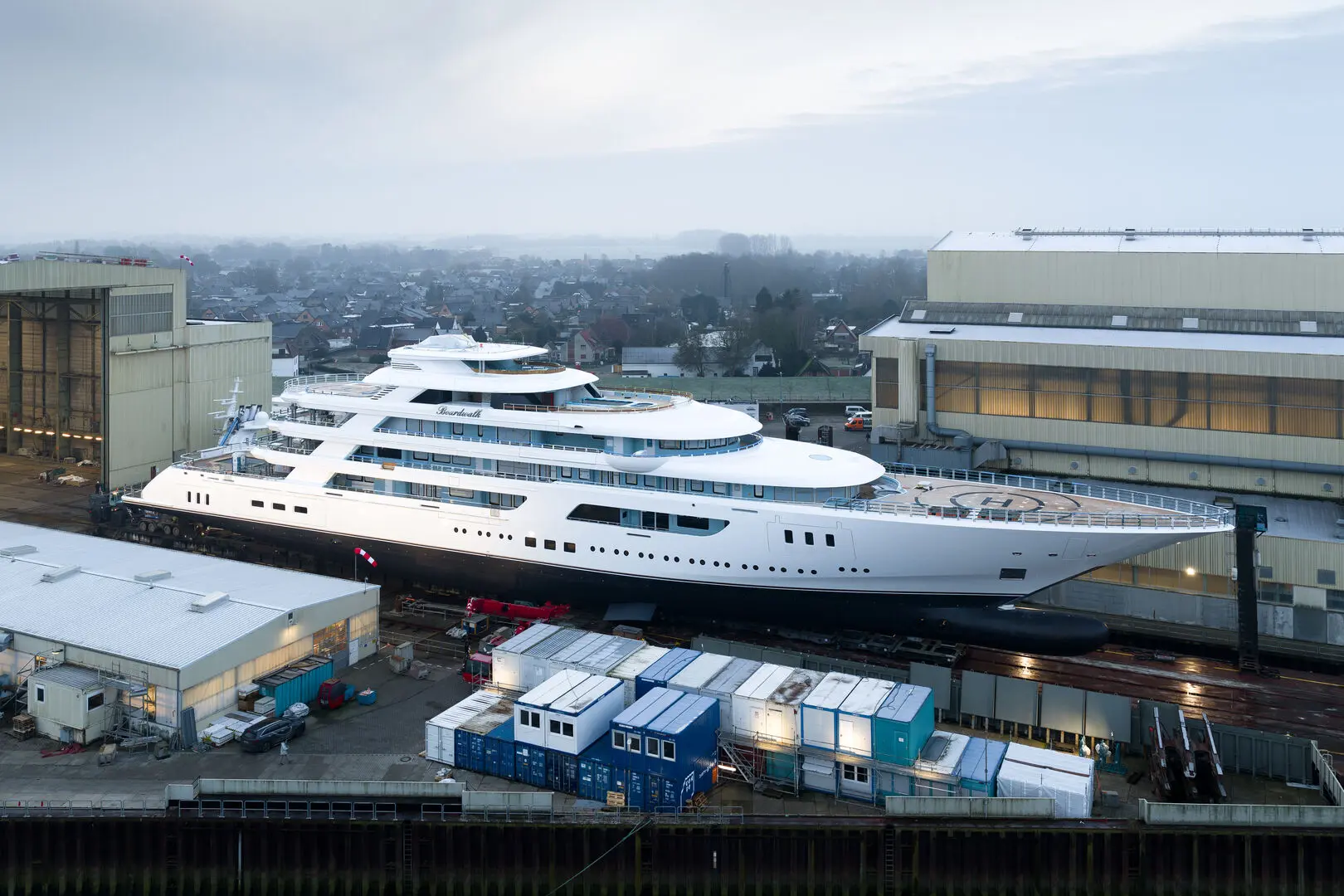
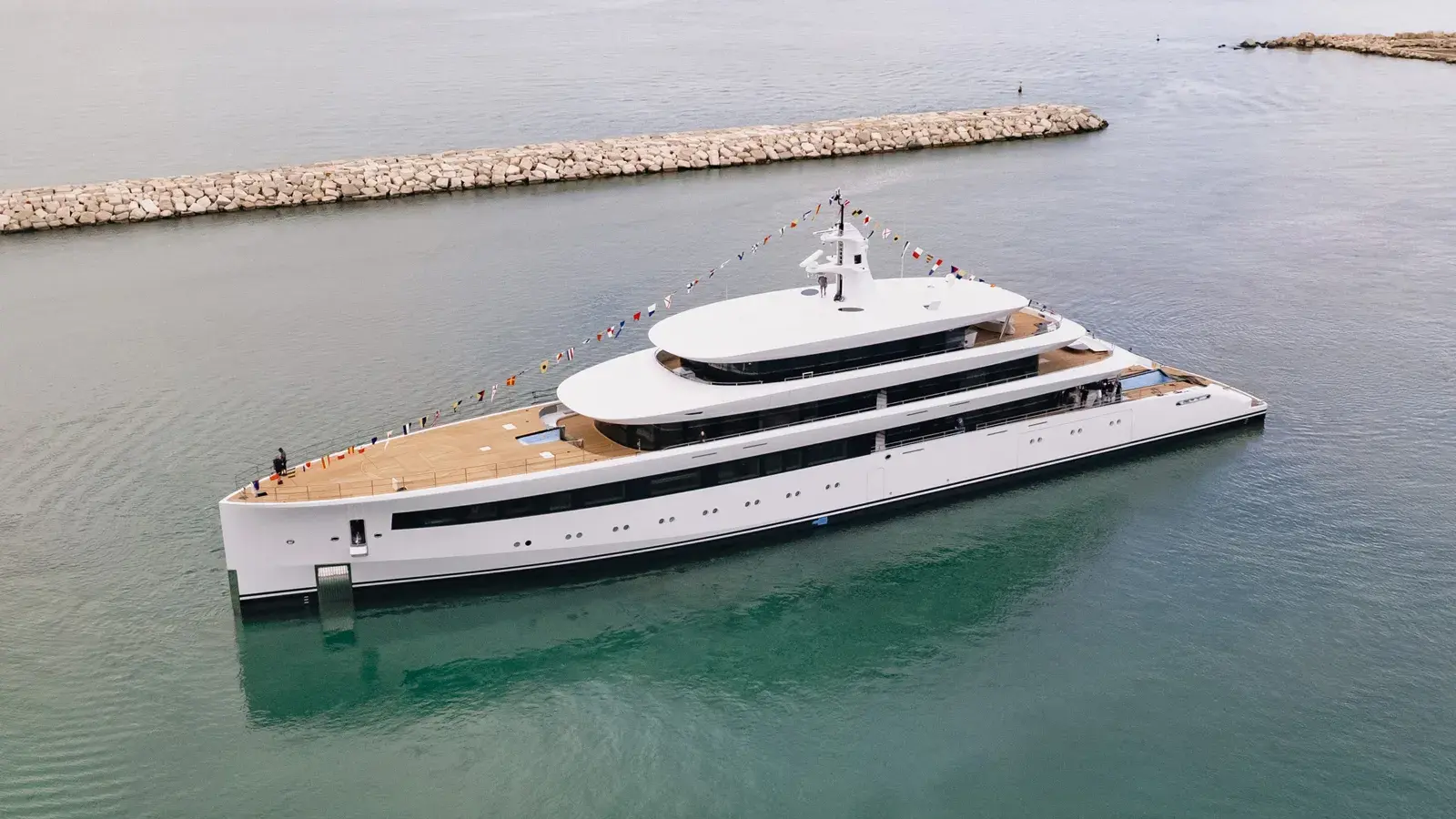
- Inboards: Engines mounted inside the hull, usually connected to straight shafts, V-drives, or pods. Common on sportfish yachts, trawlers, and larger motor yachts.
Offshore performance and ride quality
Offshore capability depends more on hull design than engine placement, but power choice still matters.
Outboards tend to provide faster acceleration and higher top speeds. Because the engines sit outside the hull, weight distribution can be optimized for speed and responsiveness. Many modern offshore center consoles with multiple outboards are extremely capable in rough water.
Inboards often shine in heavy seas over long distances. The weight of the engines is lower and more centered, which can improve ride stability and reduce fatigue during long offshore runs. Sportfish yachts with inboards are built specifically to run comfortably in challenging conditions.
Range and fuel efficiency offshore
Inboards generally offer better range for extended offshore trips. Larger fuel tanks, efficient cruising speeds, and steady torque output make them well-suited for long runs.
Outboards have improved significantly in fuel efficiency, especially at cruising speeds. However, offshore center consoles chasing high speeds tend to burn more fuel when pushed hard. For shorter offshore trips, this often isn’t an issue. For long-range runs, it becomes more noticeable.
Maintenance and reliability offshore
This is where outboards often win for many owners.
- Outboards: Easier access, simpler service, and quick replacement if something fails. A failed outboard can often be swapped without pulling the boat.
- Inboards: More complex systems including shafts, transmissions, cooling systems, and exhaust. Repairs often require hauling the boat or significant labor.
Offshore operators value redundancy. Multiple outboards offer built-in backup. If one fails, the boat can usually still get home. With inboards, redundancy exists but failures tend to be more involved.
Draft and shallow-water access
Offshore boating often involves running through shallow passes, inlets, or nearshore areas.
Outboards can tilt clear of the water, reducing draft and risk of damage. This makes them more forgiving around sandbars, shallow ramps, and unpredictable inlets.
Inboards draw more water and are less forgiving if you touch bottom. This matters less offshore itself, but more during launch, docking, and navigation in tight areas.
Deck space and layout
Outboards free up interior space because the engines are outside the hull. This allows for large fish boxes, storage, and open deck layouts, which offshore anglers love.
Inboards take up interior volume but often deliver better balance and sound insulation. On larger offshore yachts, engine rooms are part of the design and not necessarily a drawback.
Noise, vibration, and comfort
Inboards generally offer quieter operation at cruising speeds, especially on larger boats with sound insulation. This can make a big difference on long offshore trips.
Outboards are louder, especially at higher RPMs, but modern designs have improved significantly. For day trips and shorter runs, most owners don’t see noise as a dealbreaker.
Cost comparison offshore
Outboards usually have lower upfront and long-term ownership costs. They are easier to service, easier to replace, and often cheaper to insure.
Inboards cost more to buy and maintain, but they often come with larger, more capable offshore platforms. The higher cost can make sense if you need range, comfort, and serious offshore endurance.
Which is better for offshore boating?
The honest answer is that neither is universally better. It depends on how you use the boat:
- Choose outboards if you want speed, redundancy, easier maintenance, and flexible access to shallow areas.
- Choose inboards if you want long-range comfort, stability in heavy seas, and a platform built for extended offshore runs.
Final thoughts
Offshore boating is demanding, and the right power setup should match your real-world use, not just trends. Modern outboards have closed the gap in offshore capability, while inboards remain the standard for serious long-distance and heavy-weather running. The smartest choice is the one that aligns with how far you go, how often you run, and how much complexity you’re willing to manage.