Yacht maintenance costs vary a lot depending on size, age, how you use the boat, and where you keep it. But if you’re trying to budget realistically, you need more than a vague “it depends.” The goal of this guide is simple: give you a clear yearly cost range, explain what drives the numbers, and show what most owners forget to plan for.
The quick rule of thumb most owners use
A common industry rule is to budget around 10% of the yacht’s value per year for maintenance and operating costs. That can be useful for quick math, but it’s not always accurate. Newer boats often run lower than that early on. Older yachts, heavily used boats, or yachts with big systems (stabilizers, watermakers, lots of AC, complex electronics) can run higher.
Think of the 10% rule as a starting point, not a promise. The real number comes down to a few big buckets.
Main yearly cost categories
Most yearly yacht maintenance spending falls into these categories:
- Haul-out and bottom work (bottom paint, zincs, running gear checks)
- Engine and generator service (oil, filters, impellers, belts, coolant, fuel system work)
- Detailing and cosmetic care (washdowns, wax, polishing, teak care, interior detailing)
- Systems maintenance (AC, plumbing, pumps, electronics, batteries, charging systems)
- Safety equipment (life raft servicing, extinguishers, flares, EPIRB, inspections)
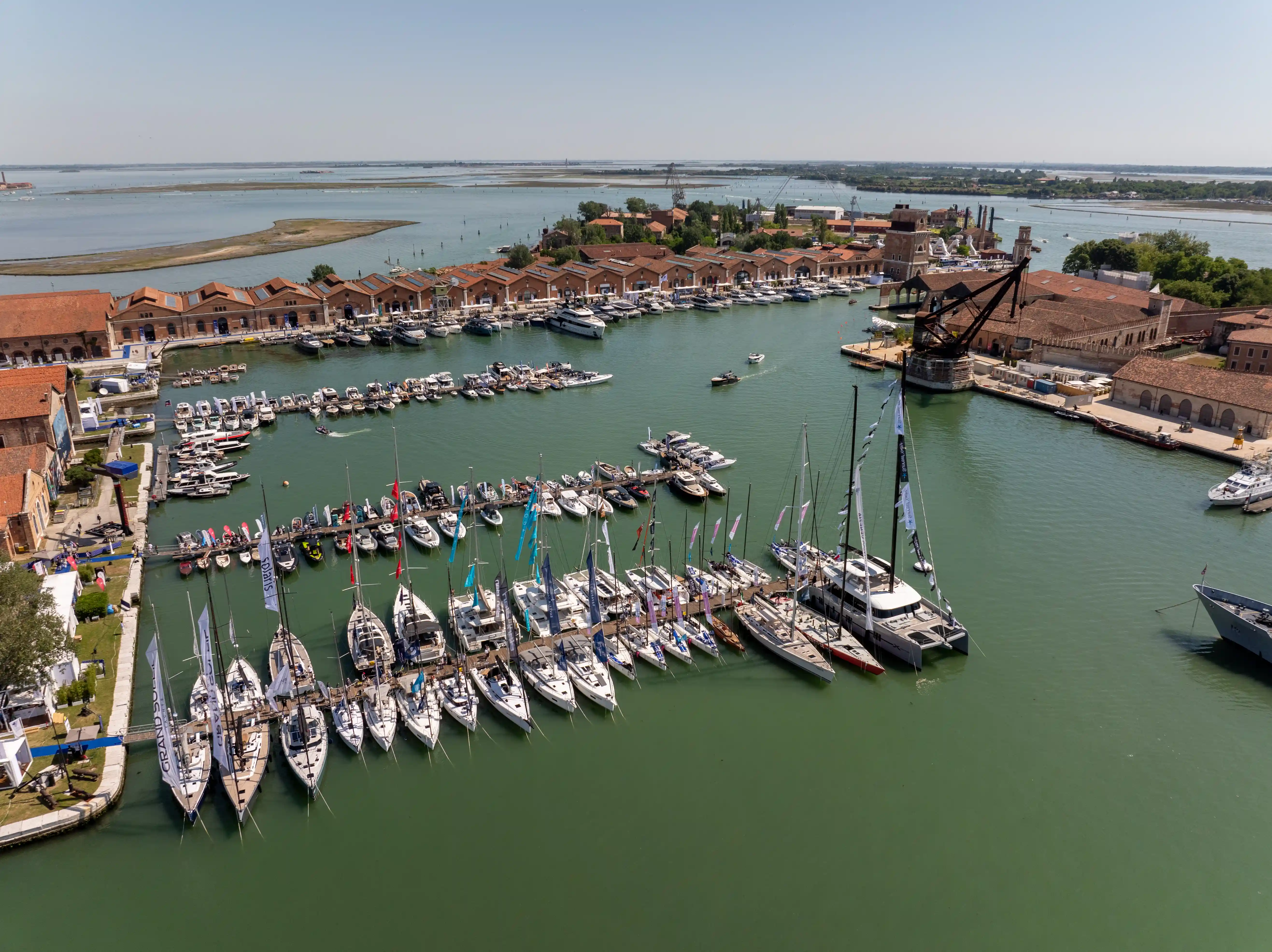
- Dockage and storage (slip fees, dry storage, seasonal storage)
- Insurance (varies heavily by value, location, hurricane exposure, experience)
Realistic annual ranges by yacht size
These are broad “typical” ranges for yearly maintenance and ownership costs. Your numbers can be lower or higher, but these ranges keep most people from underestimating.
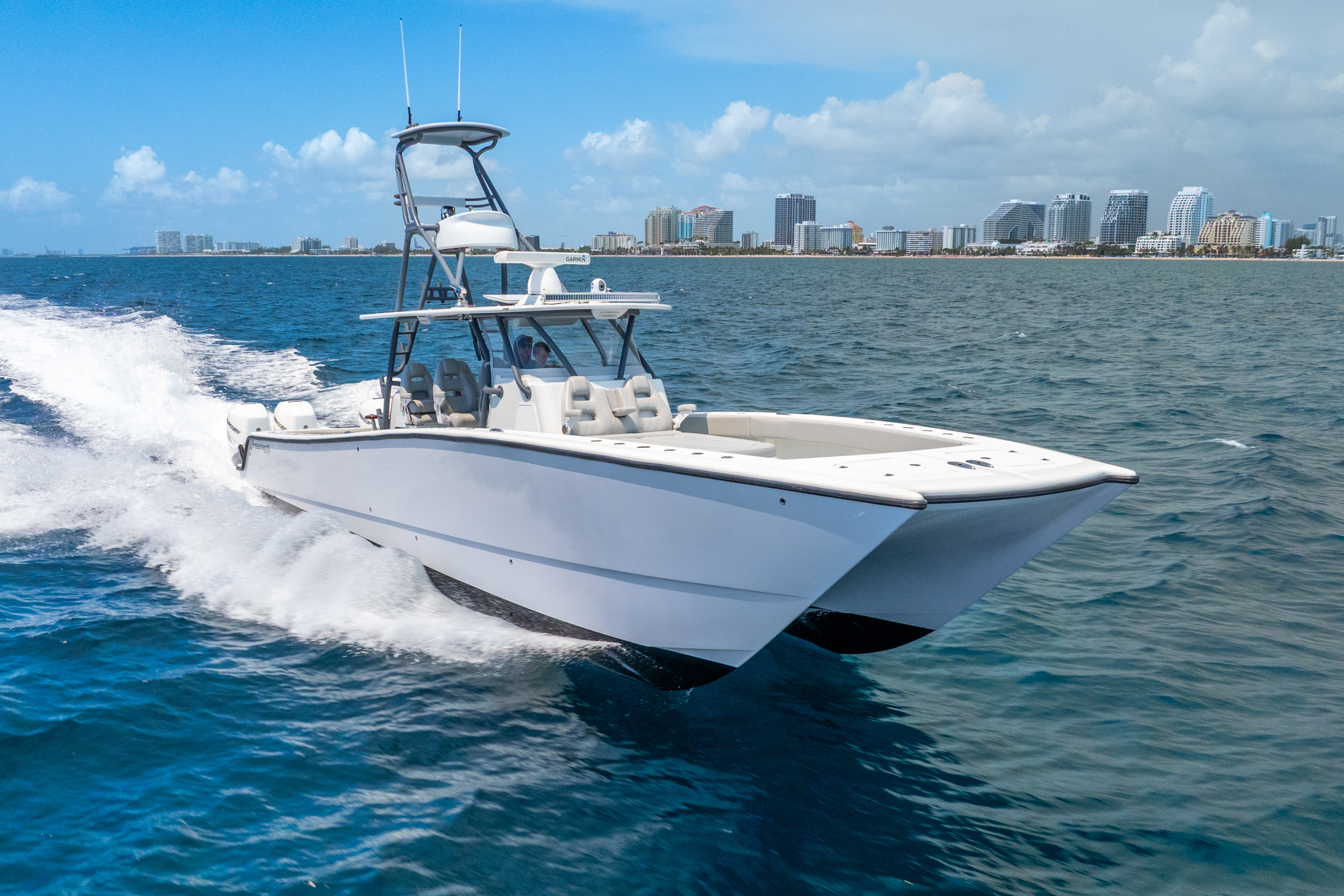
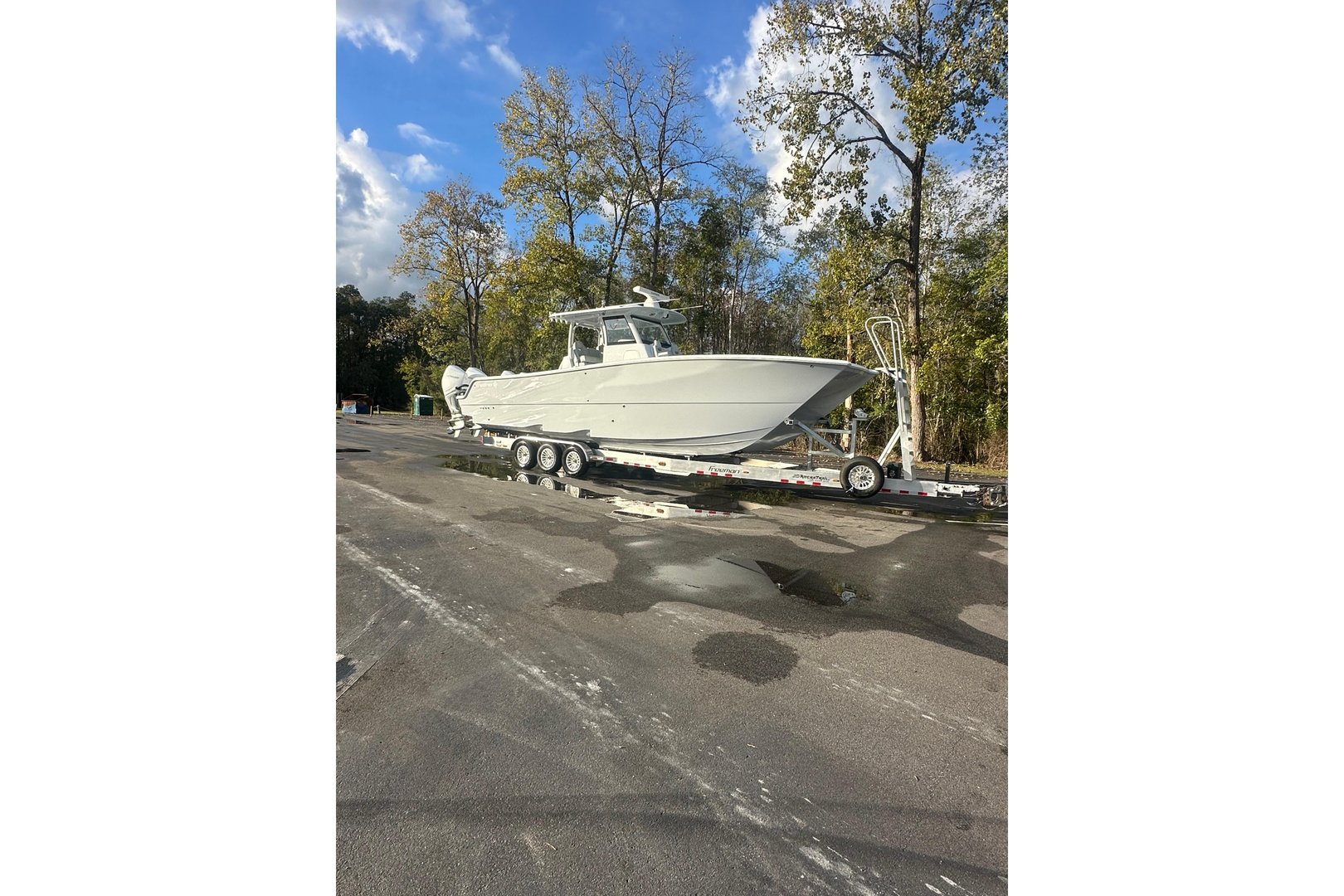
24–30 ft center console
Typical yearly range: roughly $8,000 to $25,000+ depending on storage, use, and number of engines.
Where the money goes: outboard service, trailer or dry storage, detailing, electronics upgrades, and wear items. Triple or quad outboards can push costs up quickly. Boats that live on lifts or in racks often avoid some bottom costs but may pay more in storage.
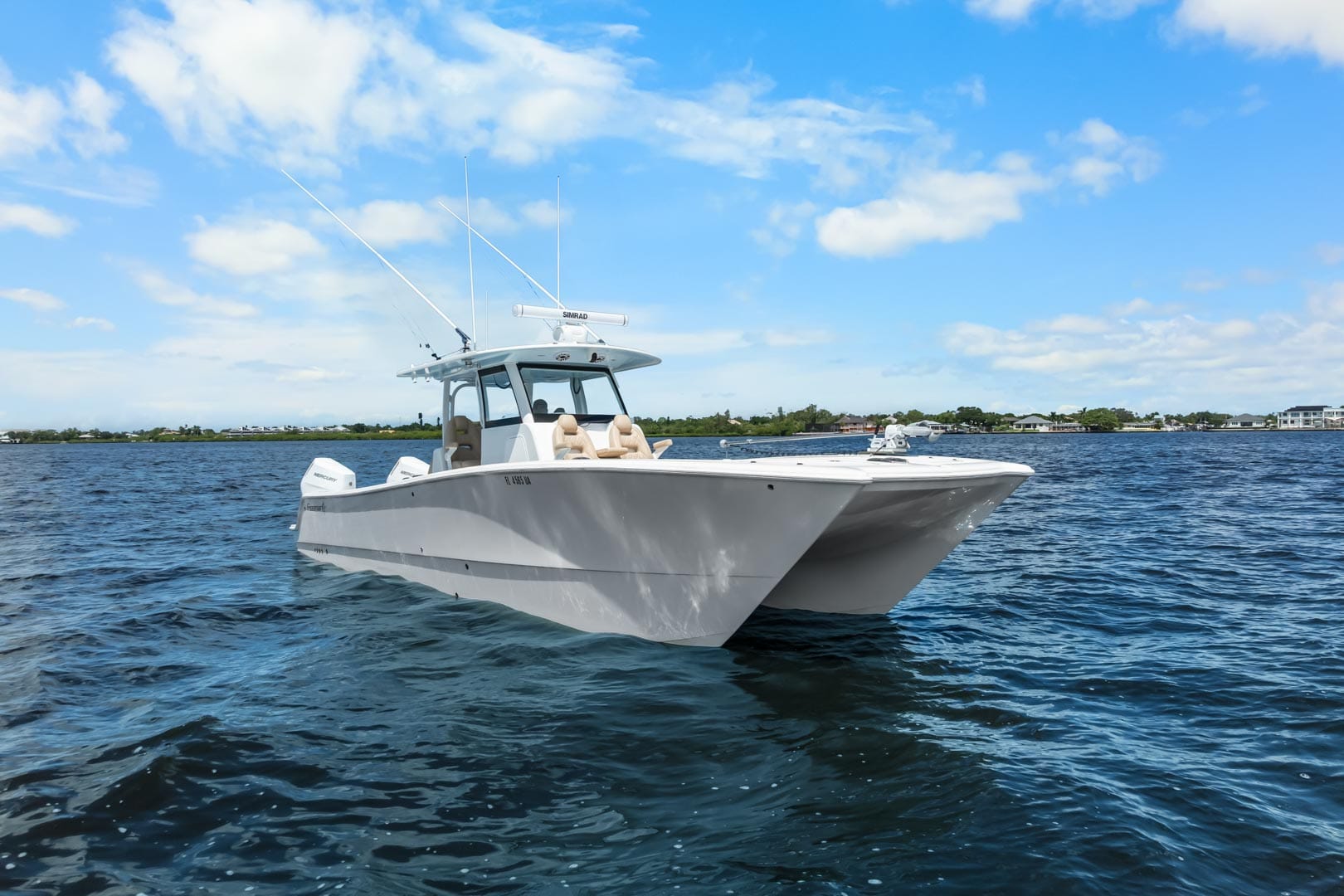
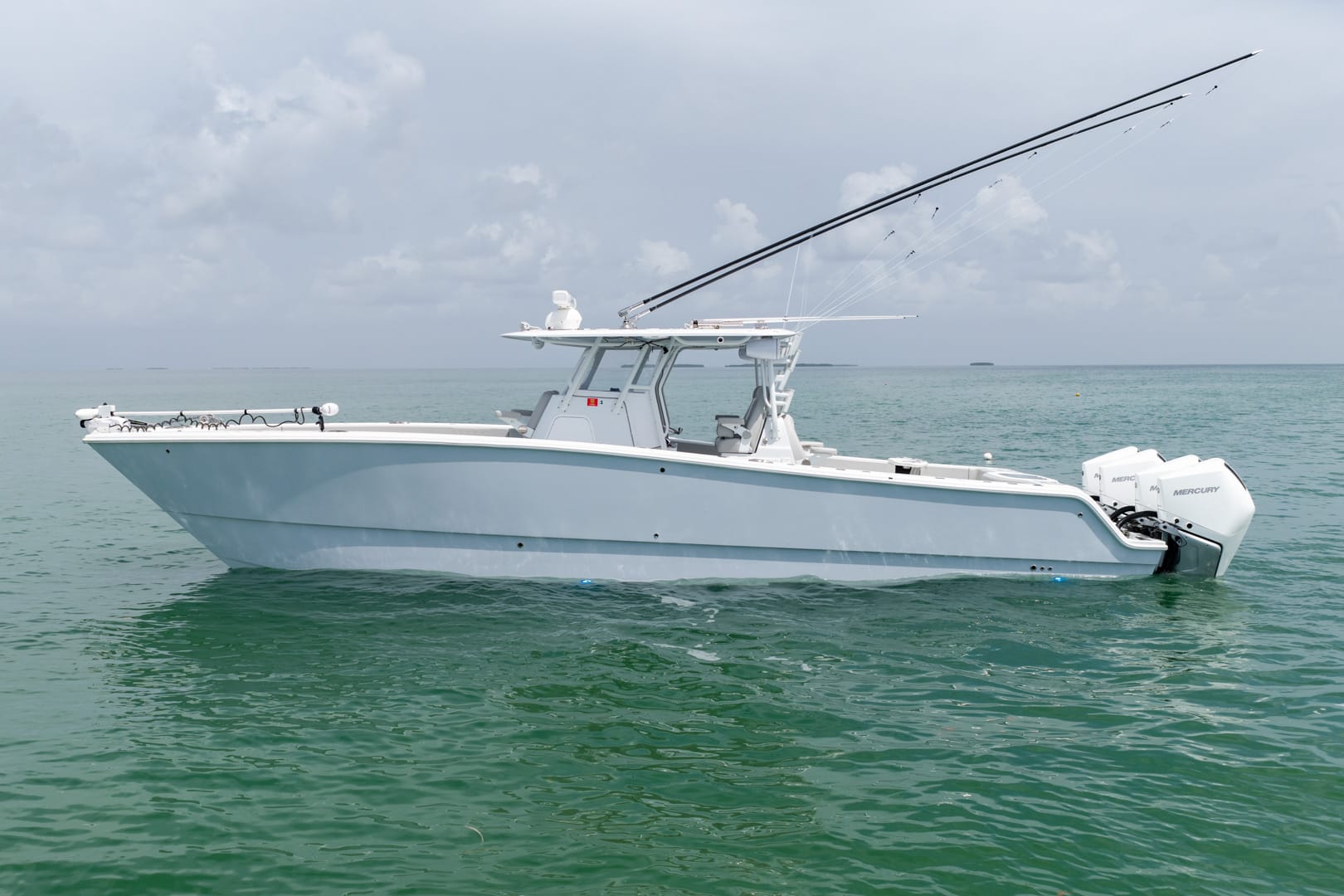
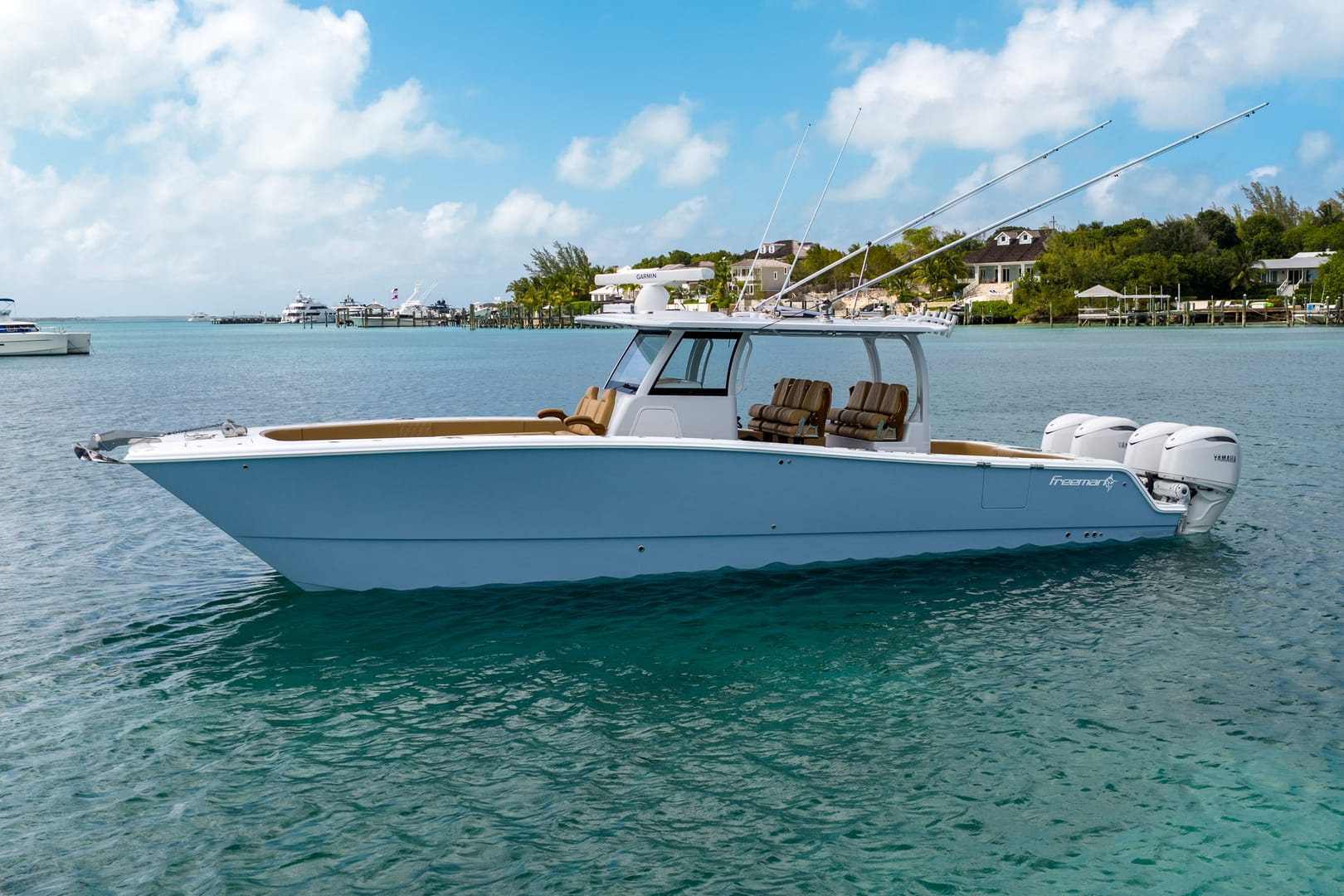
35–45 ft center console or express cruiser
Typical yearly range: roughly $20,000 to $60,000+.
This is where costs jump because you’re dealing with bigger systems, more electronics, more upholstery, more mechanical complexity, and often higher dockage fees. If you run hard offshore, you’ll spend more on service and replacement parts. If you keep it in a premium marina, dockage becomes a major line item.
50–70 ft motor yacht
Typical yearly range: roughly $60,000 to $200,000+.
At this level, you’re paying for frequent preventative maintenance, major systems, bigger haul-outs, and more professional labor. Many owners also start using crew or professional management, which can push annual costs higher.
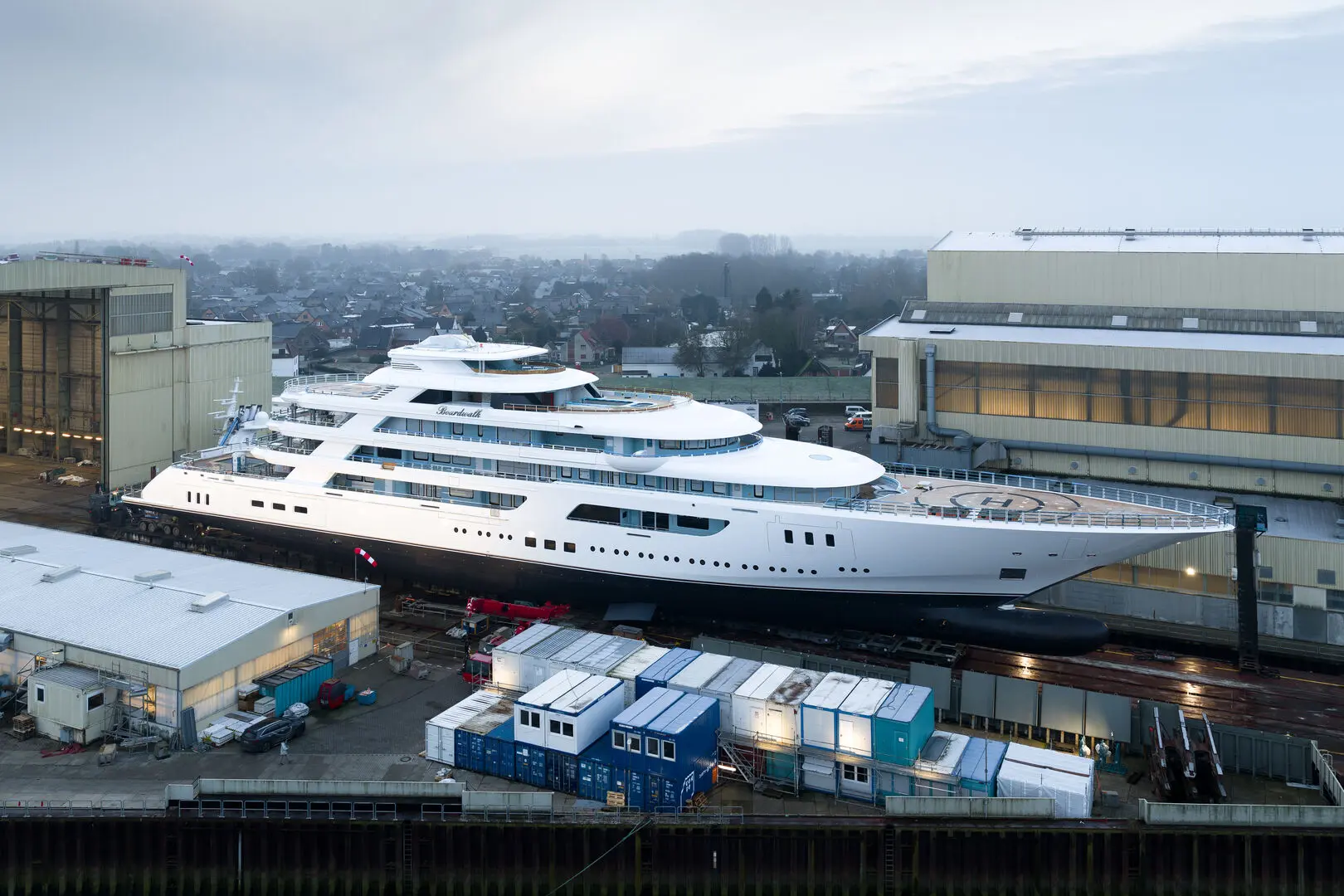
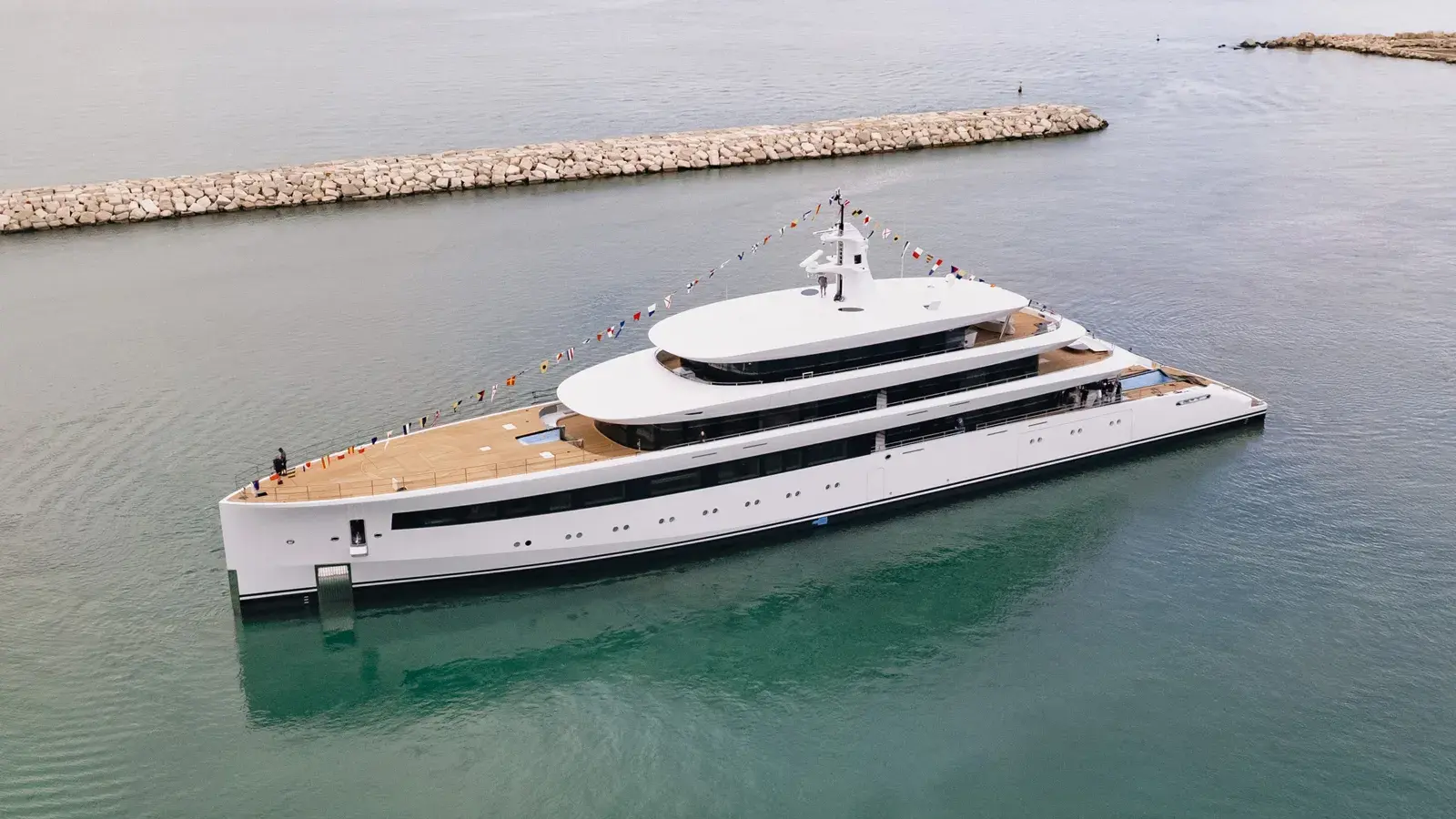
80+ ft superyacht
Typical yearly range: often $300,000 to $1,500,000+, depending on crew, cruising schedule, and refit needs.
Superyachts live in a different world. Crew payroll, dockage, insurance, planned maintenance schedules, and refits can become the dominant costs. If you travel internationally or run charter programs, the budget grows fast.
What makes maintenance costs spike
A few factors are responsible for most budget surprises:
- Age: older boats need more parts, more labor, and more troubleshooting
- Saltwater exposure: corrosion and wear accelerate dramatically in harsh environments
- High-tech systems: stabilizers, complex electronics, and luxury features increase service needs
- Heavy usage: more hours equals more service intervals and faster replacement cycles
- Deferred maintenance: skipping service usually costs more later
- Hurricane regions: higher insurance and special storage/haul-out requirements
The “hidden” maintenance costs people forget
These items are common and easy to miss when budgeting:
- Upholstery and canvas (sun damage and salt eat these fast)
- Electronics obsolescence (radar, MFDs, audio, sensors, wiring issues)
- Battery replacement (especially on boats with heavy electronics loads)
- Teak and deck refinishing (labor intensive and expensive)
- Unexpected haul-outs (prop damage, groundings, mechanical failures)
- Refits (big upgrades every few years can dwarf annual maintenance)
How to budget smarter for your specific boat
If you want a realistic number for your exact boat, start with:
- The boat’s size and engine count
- How many hours you’ll run per year
- Whether it’s stored in-water or out of water
- Whether it’s new, lightly used, or older with unknown history
- Your local labor rates and marina costs
A practical approach is to set a monthly maintenance reserve. Even if your boat runs smooth, you’ll eventually hit bigger service intervals, repairs, or upgrades. A reserve keeps you from feeling “surprised” by costs that are actually normal.
Final thoughts
Yacht maintenance is not just an expense, it’s what protects value, safety, and reliability. If you budget for the real cost of ownership up front, you’ll enjoy the boat more and stress less. Whether you own a 28-foot center console or a full-size motor yacht, the same rule applies: consistent preventative maintenance is almost always cheaper than fixing problems after they happen.