Buying a boat is a significant investment, but unlike real estate, most recreational boats lose value as they get older. The question is how much value they lose, and whether certain types of boats hold their value better than others.
A five-year-old center console might still command a strong resale price, particularly if it has desirable engines, low hours, and a well-documented maintenance history. Meanwhile, another boat of the same age could be worth substantially less because of outdated electronics, neglected maintenance, or a less desirable model.
Boat depreciation isn't as predictable as car depreciation. There is no universal percentage that applies to every manufacturer, model, or type of vessel.
However, understanding how depreciation works can help buyers make better decisions, negotiate used boat prices, and avoid expensive mistakes.
Here's what boat owners should know about depreciation during the first five years, including realistic examples, factors that affect resale value, and which boats tend to hold their value better.
How Much Do Boats Depreciate?
As a broad planning assumption, some buyers use a depreciation estimate of approximately 20% to 40% over the first five years of ownership. This is not an industry-wide measured average, and actual results can fall well outside that range.
A popular center console with a strong reputation and desirable engines may retain substantially more of its original value. A boat with poor maintenance, excessive engine hours, structural problems, or limited buyer demand can lose considerably more.
Depreciation also tends to be uneven. A new boat can experience a noticeable drop in market value after its initial sale, while the rate of depreciation may moderate as the vessel gets older.
But the resale market matters just as much as age. During periods of unusually strong demand, some used boats may retain their value exceptionally well. When inventory rises and buyers become more selective, depreciation can accelerate.
The most accurate way to estimate depreciation is to compare actual sale prices for the same model across different model years, adjusting for condition, engines, equipment, and market conditions.
Boat Depreciation by Year: A Five-Year Example
To illustrate how depreciation might affect ownership, consider a hypothetical new boat purchased for $200,000.
Assume it loses 12% of its original purchase price in the first year, followed by progressively smaller annual percentage declines based on its remaining value.
| Age | Estimated value | Loss from original price |
|---|---|---|
| New | $200,000 | 0% |
| 1 year | $176,000 | 12.0% |
| 2 years | $165,440 | 17.3% |
| 3 years | $157,168 | 21.4% |
| 4 years | $149,310 | 25.3% |
| 5 years | $141,845 | 29.1% |
This table is an illustrative depreciation scenario, not historical market data or a prediction for a specific boat. It assumes annual declines of 12%, 6%, 5%, 5%, and 5%.
Under this scenario, the owner loses approximately $58,155 in market value over five years.
That works out to an average depreciation expense of about $11,631 per year, before accounting for maintenance, insurance, storage, financing, and other ownership costs.
The actual financial outcome could be very different. A well-maintained boat purchased at a competitive price might lose less, while an overpriced or poorly maintained boat could depreciate much faster.
Why Do Boats Lose Value So Quickly?
Several factors contribute to boat depreciation, and not all of them are directly related to age.
1. New Boats Carry a Price Premium
New boats offer advantages that used boats cannot always match, including factory warranties, current equipment, customization options, and the assurance that the vessel has not experienced previous ownership-related wear.
Once a boat is sold and enters the used market, a future buyer will typically expect a discount compared with an equivalent new vessel.
That difference contributes to the initial decline in resale value.
2. Engines Accumulate Hours
Engine hours are one of the first things many buyers examine when evaluating a used boat.
Two identical boats from the same model year can have very different values if one has 150 engine hours and the other has 1,200.
However, hours alone do not determine engine condition.
An engine that has been maintained properly and operated regularly may be in better condition than a low-hour engine that has spent years sitting unused without appropriate maintenance.
Buyers should consider engine hours alongside service records, diagnostic reports, corrosion, and the results of a mechanical inspection.
3. Marine Equipment Becomes Outdated
Modern boats increasingly rely on sophisticated electronics, including multifunction displays, radar, sonar, digital switching systems, and integrated engine controls.
Technology advances quickly, and equipment that was considered premium five years ago may lack features available on current models.
Older electronics don't necessarily make a boat undesirable, but they can influence what buyers are willing to pay.
4. Maintenance Costs Increase With Age
As boats get older, owners may face larger maintenance expenses involving upholstery, pumps, batteries, electrical systems, steering components, air conditioning, and other onboard equipment.
Prospective buyers often account for these expenses when making an offer.
A boat with significant deferred maintenance may sell at a discount that exceeds the actual cost of the necessary repairs because buyers also factor in uncertainty and inconvenience.
5. New Models Change Buyer Expectations
Manufacturers regularly update their boats with new hull designs, more powerful engines, improved layouts, and additional amenities.
When a popular model receives a major redesign, earlier generations may become less desirable to some buyers.
However, the opposite can also happen. Certain older models develop strong reputations for their construction, performance, or layout and remain highly sought after.
Which Types of Boats Depreciate the Most?
Depreciation varies considerably by boat category, and it would be misleading to assign every type a fixed annual rate.
Nevertheless, some general patterns are worth understanding.
Center Console Boats
Center consoles can hold their value relatively well when they come from established manufacturers with strong demand in the used market.
Brands such as Boston Whaler, Grady-White, Contender, Regulator, and Yellowfin have recognizable names among offshore boating enthusiasts.
That recognition can help attract buyers, although brand reputation alone does not guarantee strong resale value.
Engine condition, hull construction, layout, electronics, and the boat's overall maintenance history remain important.
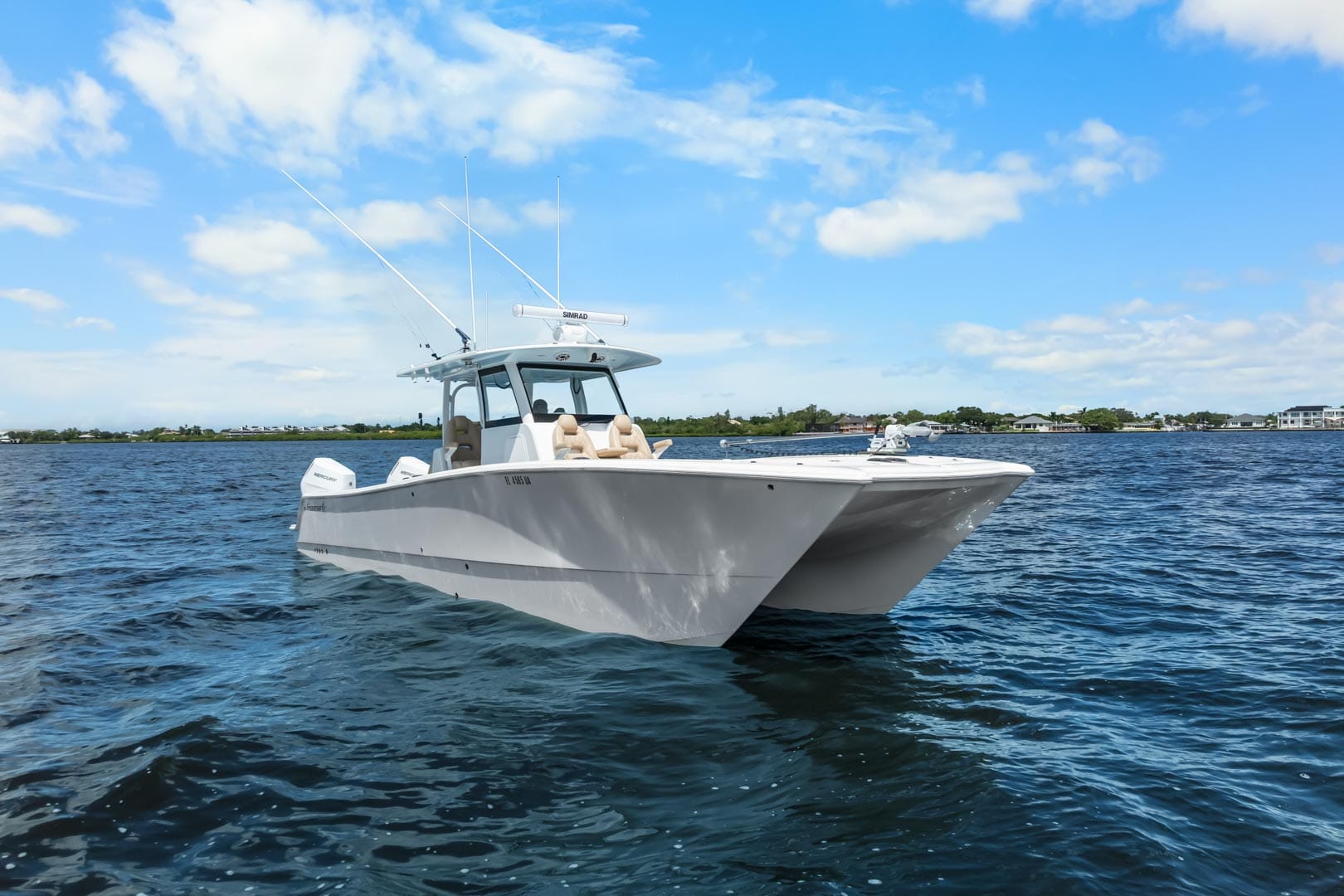
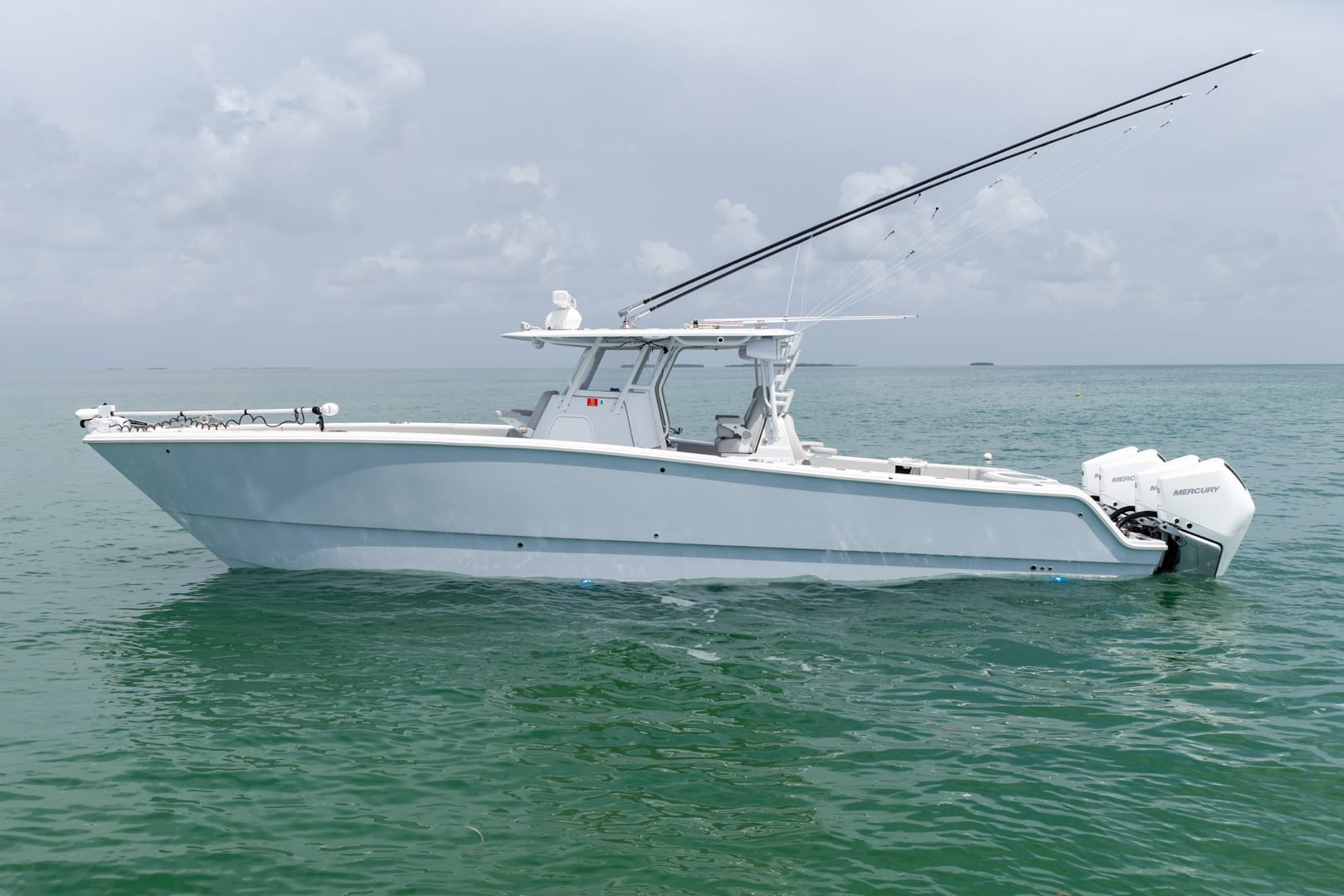
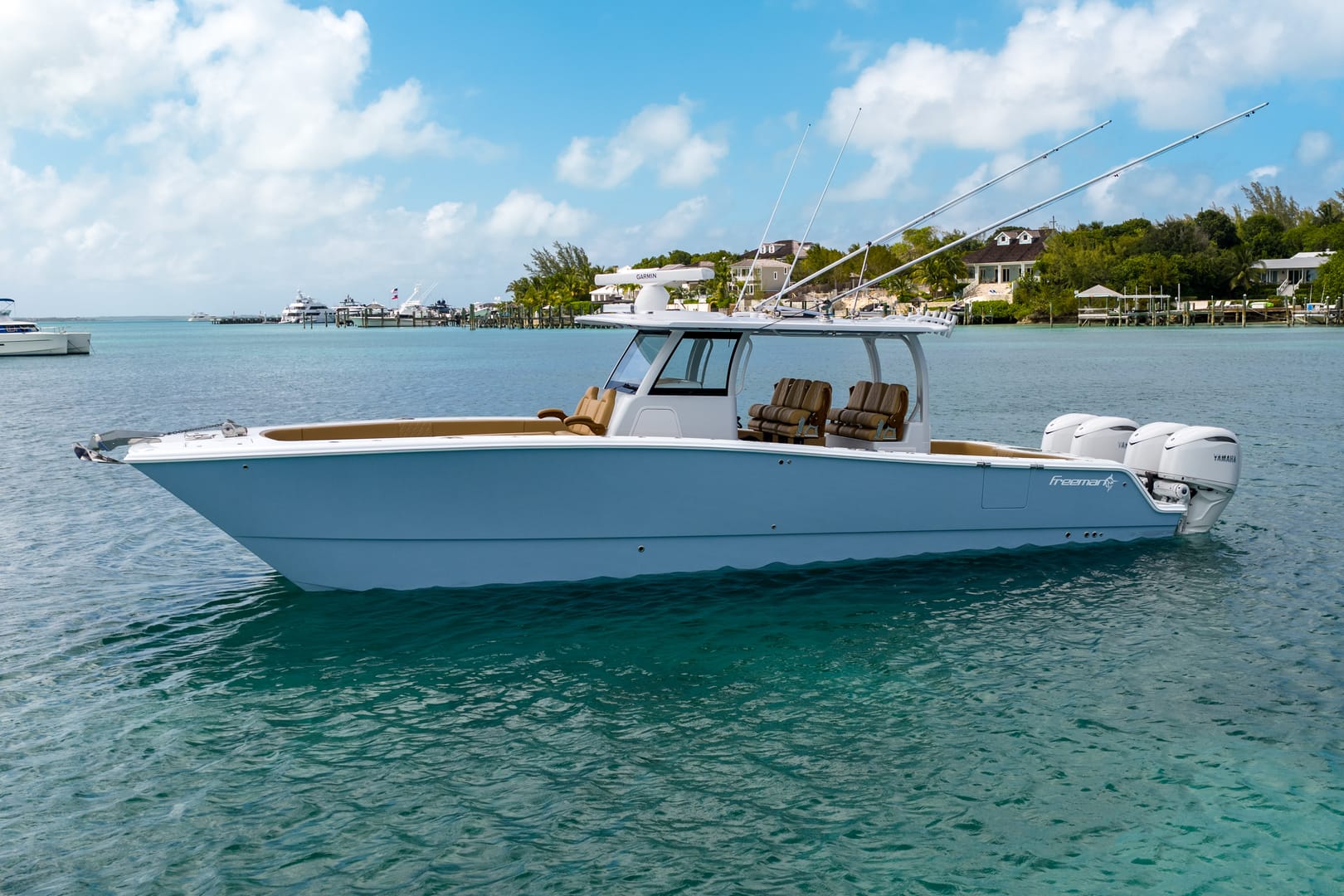
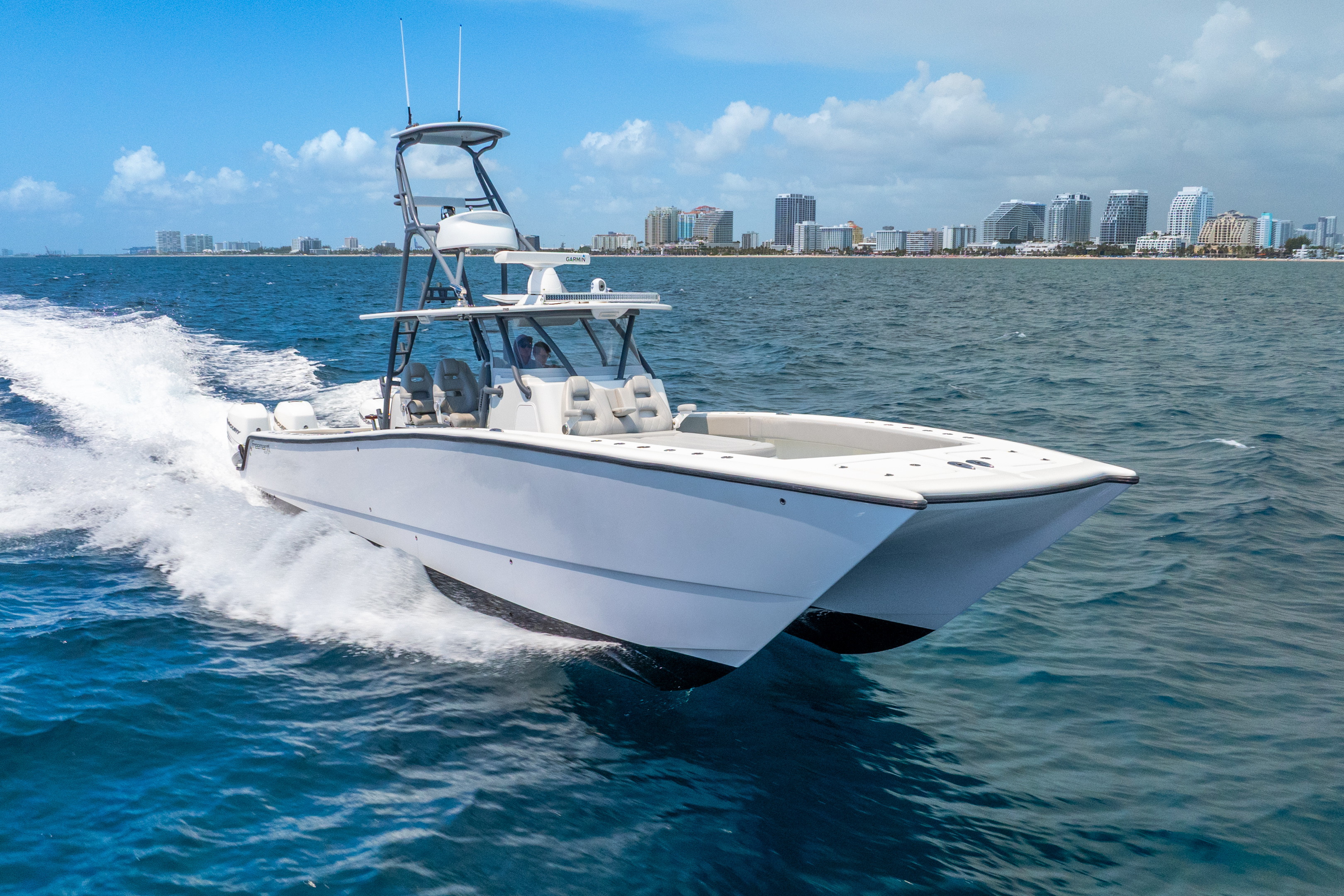
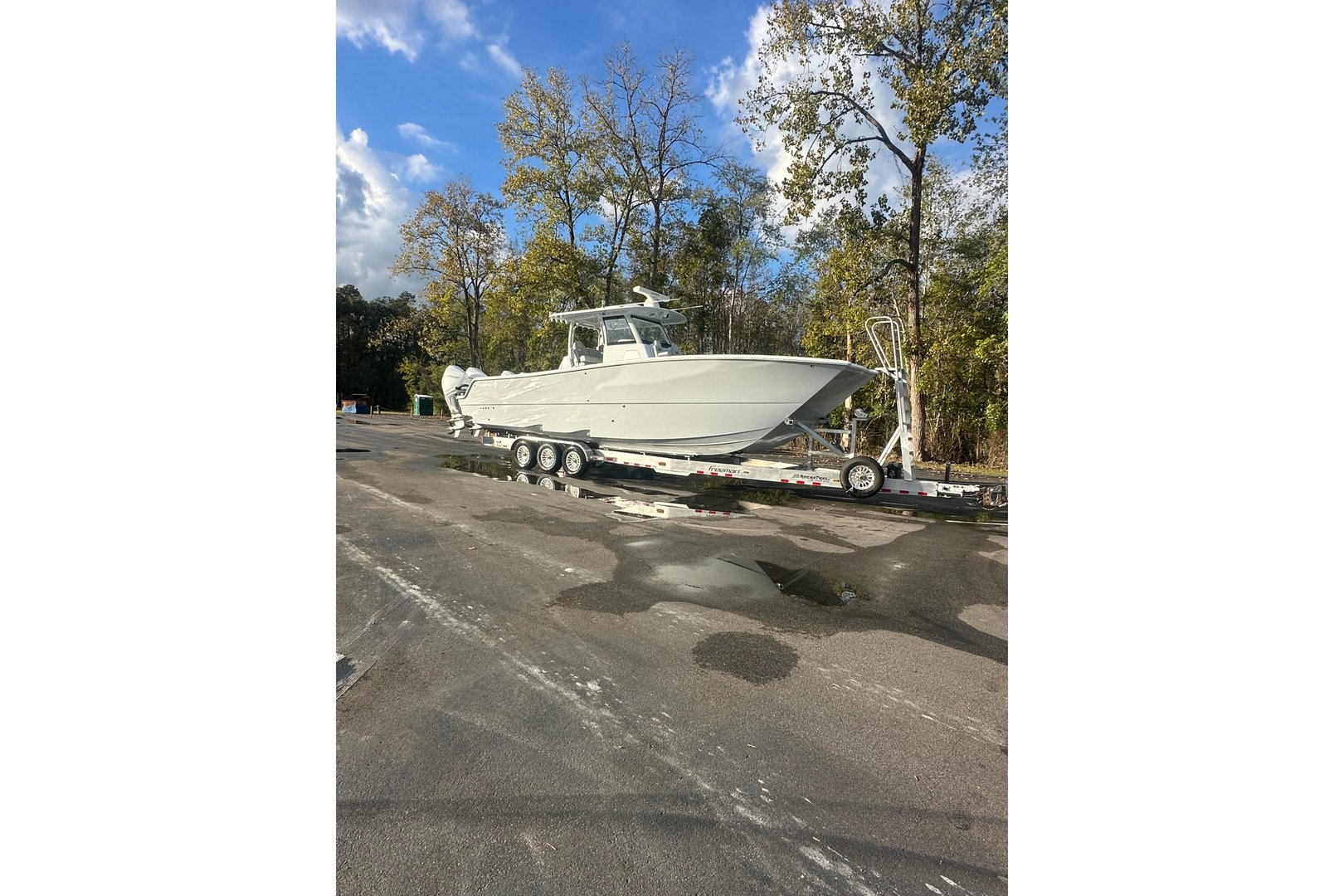
For example, a five-year-old center console with desirable Yamaha or Mercury outboards, documented service, and updated electronics may be easier to sell than a similar boat with neglected engines and significant cosmetic wear.
Bowriders and Recreational Runabouts
Smaller recreational boats can experience meaningful depreciation because buyers often compare them with newer models available at relatively accessible prices.
Condition is particularly important in this category.
Worn upholstery, deteriorating covers, trailer corrosion, and poorly maintained engines can reduce resale value significantly.
However, well-maintained boats from popular manufacturers can still attract strong interest, especially in regions with active recreational boating markets.
Pontoon Boats
Pontoon boats have become increasingly sophisticated, with premium seating, large entertainment areas, and high-horsepower outboard options.
Depreciation depends heavily on the model, engine package, condition of the furniture, and local demand.
A basic pontoon used on a freshwater lake may appeal to a different buyer than a premium performance pontoon equipped with a large outboard.
Because upholstery and deck furnishings are such prominent parts of the boat, cosmetic condition can have a substantial effect on resale value.
Sportfishing Yachts
Larger sportfishing yachts represent a different market.
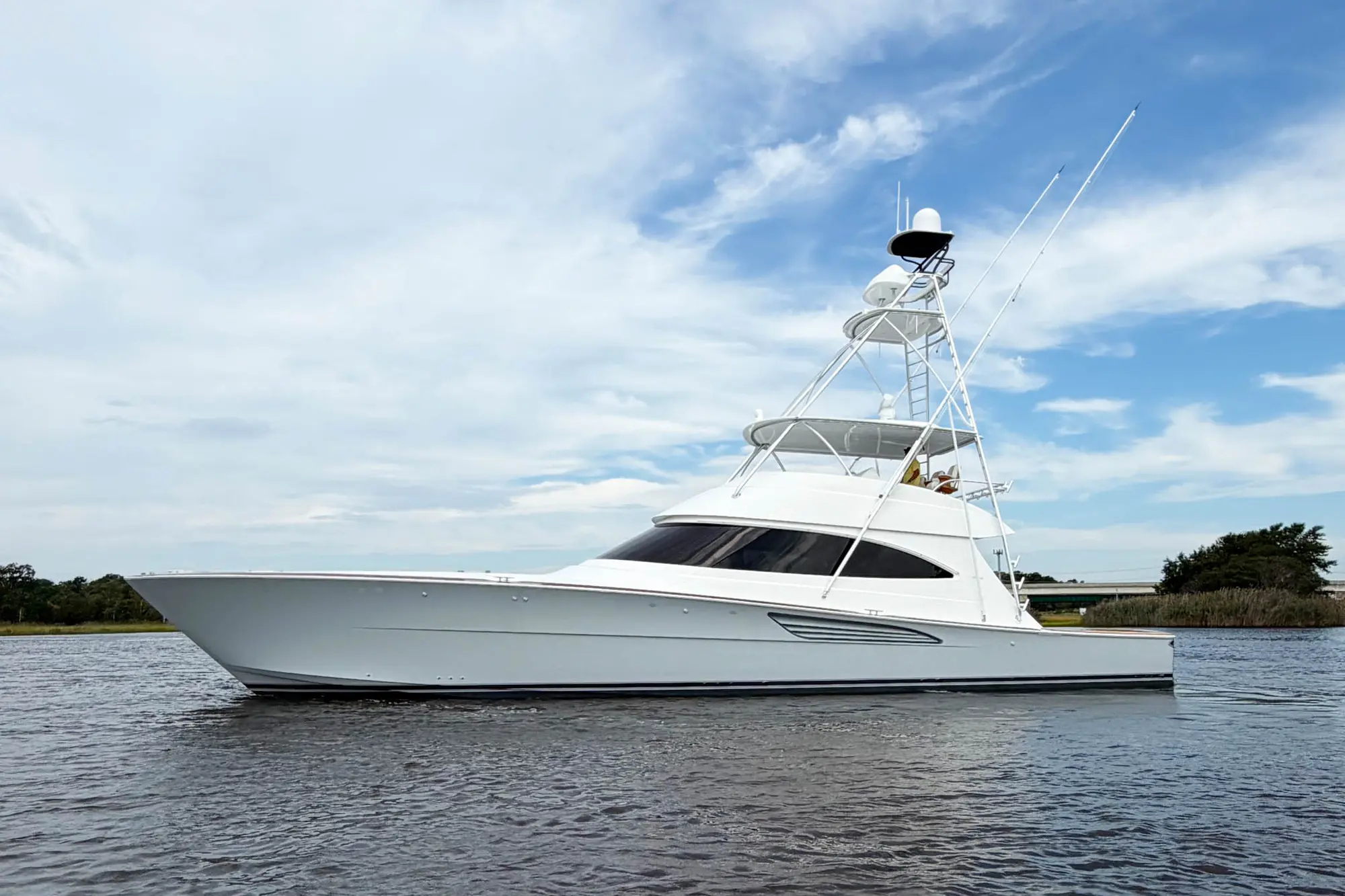
Builders such as Viking, Hatteras, and other established sportfishing manufacturers have loyal buyer bases, but purchase prices and operating expenses are much higher.
Even a relatively modest percentage decline in value can represent hundreds of thousands of dollars on an expensive yacht.
Major engine work, generator condition, stabilizer systems, electronics, and the age of the vessel's mechanical equipment can all affect the resale price.
Buyers in this segment also tend to place significant importance on maintenance records and professional survey results.
Luxury Motor Yachts and Superyachts
Luxury motor yachts can experience substantial depreciation in absolute dollar terms.
A yacht purchased for several million dollars may lose a large amount of value even if its percentage depreciation is relatively moderate.
Refits, interior design trends, machinery hours, classification requirements, and maintenance history can influence demand.
The market for large yachts is also smaller and more specialized, meaning it may take considerably longer to find a buyer at a particular asking price.
Do Expensive Boats Depreciate Faster?
Not necessarily in percentage terms, but expensive boats can lose far more money in absolute terms.
Consider two hypothetical boats that each depreciate by 25% over five years.
| Original price | Value after 5 years | Depreciation |
|---|---|---|
| $75,000 | $56,250 | $18,750 |
| $250,000 | $187,500 | $62,500 |
| $750,000 | $562,500 | $187,500 |
| $2,000,000 | $1,500,000 | $500,000 |
These examples apply the same hypothetical 25% depreciation rate to illustrate the dollar impact of different purchase prices.
The percentage loss is identical, but the financial consequences are dramatically different.
This is one reason buyers should consider depreciation alongside annual operating expenses when deciding how much boat they can comfortably afford.
Do Boats Depreciate More Than Cars?
It's tempting to compare boat depreciation with automobile depreciation, but the two markets operate differently.
Cars are generally used more frequently, have more standardized mileage measurements, and benefit from large volumes of comparable sales data.
Boats are more specialized assets.
Two boats of the same model and year may have experienced completely different operating conditions, maintenance practices, and levels of exposure to saltwater.
Regional demand also plays a major role.
A center console may be particularly desirable in South Florida, while a freshwater fishing boat or pontoon could attract stronger demand in a different market.
Because of these differences, there is no reliable rule stating that boats always depreciate faster or slower than cars.
The comparison depends on the specific assets, purchase prices, and resale markets.
How Much Does a Boat Depreciate After 10 Years?
Depreciation often becomes less predictable as boats get older.
During the first several years, buyers may place substantial value on the boat's relatively recent model year, original equipment, and remaining warranty coverage.
After a decade, the vessel's actual condition and maintenance history can become more important than its age alone.
A ten-year-old boat that has been repowered, carefully maintained, and updated with modern electronics may command a strong resale price.
Another boat of the same age with worn engines, outdated equipment, and structural problems may be worth considerably less.
At this stage, a boat's market value may be influenced more by the cost of bringing it into good operating condition than by a predictable annual depreciation percentage.
Owners should also remember that repowering or refitting a boat does not necessarily increase its market value by the full amount spent.
Does Repowering a Boat Increase Its Value?
Replacing old outboard engines with newer models can make a used boat considerably more attractive to buyers.
New engines may offer improved reliability, warranty coverage, fuel efficiency, and compatibility with modern controls.
However, repowering should not automatically be treated as a profitable investment.
Suppose an owner spends $60,000 replacing the engines on an older center console.
That work might increase the boat's market value, but it does not mean the vessel will necessarily sell for $60,000 more than it would have before the repower.
The return depends on the boat's overall condition, the engines being replaced, the new engine package, and buyer demand.
Repowering may make the most financial sense when an owner plans to keep using the boat for several years rather than selling immediately afterward.
Does Low Engine Hours Mean a Boat Is Worth More?
Low engine hours can help a boat retain value, but they are only one part of the equation.
Many buyers prefer lower-hour engines because they may have experienced less mechanical wear.
However, engines that sit unused for long periods can develop problems involving fuel systems, seals, corrosion, and other components.
A regularly operated engine with documented maintenance may be a better purchase than a neglected low-hour engine.
For this reason, prospective buyers should request maintenance records and consider a mechanical inspection before placing too much value on an hour-meter reading.
How Does Saltwater Affect Boat Depreciation?
Saltwater exposure is an important factor in the used boat market.
Marine engines, electrical connections, metal fittings, trailers, and other components can deteriorate more quickly when exposed to saltwater without appropriate maintenance.
However, a saltwater boat is not automatically in worse condition than a freshwater boat.
Proper engine flushing, corrosion prevention, regular cleaning, and routine inspections can help protect the vessel.
Storage conditions also matter.
A boat kept on a trailer and thoroughly cleaned after each trip may experience different wear from one that remains in the water year-round.
When evaluating a used saltwater boat, buyers should pay close attention to corrosion, electrical systems, through-hull fittings, engine condition, and the results of a marine survey.
How to Calculate Boat Depreciation
The simplest way to calculate depreciation is to subtract the boat's current market value from its original purchase price.
The formula is:
Depreciation = Original Purchase Price − Current Market Value
To calculate the percentage:
Depreciation Percentage = (Depreciation ÷ Original Purchase Price) × 100
For example, imagine purchasing a boat for $180,000 and selling it five years later for $135,000.
The total depreciation would be $45,000.
Dividing $45,000 by $180,000 gives a depreciation rate of 25% over five years.
However, this calculation does not include sales taxes, financing costs, maintenance, insurance, storage, or brokerage commissions.
Those expenses are part of the overall cost of ownership, but they should be tracked separately from the decline in the boat's market value.
How to Find Out What Your Boat Is Worth
Determining a boat's actual market value requires more than looking at its age.
Start by researching comparable boats currently offered for sale.
Websites such as YachtWorld, Boat Trader, and Boats.com can provide useful information about asking prices for similar models.
However, asking prices are not necessarily selling prices.
A boat advertised for $200,000 may ultimately sell for less, and some listings may remain on the market for months without attracting a buyer.
For a more accurate valuation, consider recent completed sales, ideally involving boats with similar engines, hours, equipment, and condition.
Yacht brokers may have access to transaction information that is not publicly available.
A professional marine surveyor can also provide a condition assessment and valuation opinion, particularly for larger or more complex vessels.
How to Minimize Boat Depreciation
Although depreciation cannot be eliminated, owners can take several steps to protect their boat's resale value.
Keep Detailed Maintenance Records
Document oil changes, engine servicing, repairs, inspections, and equipment replacements.
Organized maintenance records help demonstrate that the boat has been cared for properly and can reduce uncertainty for prospective buyers.
Protect the Boat From Weather and Sun
UV exposure can damage upholstery, gelcoat, canvas, and other materials.
Appropriate covers, regular cleaning, and protected storage can help preserve the boat's appearance.
In South Florida, where boats experience intense sunlight and saltwater exposure, cosmetic maintenance can be particularly important.
Address Problems Before They Become Major Repairs
Small maintenance issues can develop into expensive problems if ignored.
Water intrusion, corrosion, electrical faults, and deteriorating seals should be addressed promptly.
Deferred maintenance can significantly reduce buyer confidence and resale value.
Avoid Unnecessary Modifications
Highly personalized modifications do not always appeal to future buyers.
While certain upgrades can improve usability, unusual cosmetic changes or poorly executed installations may make a boat harder to sell.
Prioritize quality equipment, professional installation, and modifications that preserve the boat's functionality.
Maintain the Engines Properly
Engines are among the most expensive components of many recreational boats.
Following manufacturer maintenance schedules, using appropriate fluids, and addressing warning signs promptly can help preserve engine condition.
Documented service history is especially valuable when selling a boat with high-horsepower outboards or expensive diesel engines.
Buy at the Right Price
One of the most effective ways to reduce depreciation losses is to avoid overpaying in the first place.
A boat purchased below comparable market prices may experience a smaller financial loss than an identical vessel purchased at an inflated price.
Buyers should compare multiple listings, review available sales information, and consider the cost of necessary repairs before making an offer.
Is Buying a Used Boat Better Than Buying New?
From a depreciation perspective, buying used can offer an advantage because the original owner may already have absorbed some of the boat's early decline in value.
A three- to five-year-old boat may provide many of the features of a new model at a lower purchase price.
However, that advantage depends on the condition of the vessel.
A used boat requiring expensive engine repairs, electronics replacement, or major structural work may ultimately cost more than expected.
New boats also offer benefits such as factory warranties, customization, and access to the latest designs and equipment.
The better choice depends on the buyer's budget, intended use, willingness to manage maintenance, and the condition of available used boats.
When Is the Best Time to Sell a Boat?
There is no single ideal age at which every boat should be sold.
Some owners prefer to sell after three to five years, while the boat remains relatively modern and before certain major maintenance expenses arise.
Others keep their boats much longer, accepting additional maintenance costs in exchange for avoiding repeated purchase and transaction expenses.
Seasonal demand can also influence how quickly a boat sells.
In markets with short boating seasons, buyer interest may increase ahead of spring and summer.
In South Florida, boating activity continues throughout the year, although demand can still vary with economic conditions, inventory, and seasonal buying patterns.
Ultimately, selling a well-maintained boat at a competitive price is usually more important than trying to predict the perfect month.
Frequently Asked Questions About Boat Depreciation
How much does a boat depreciate in the first year?
First-year depreciation varies significantly by model, purchase price, and market conditions. A noticeable initial decline is common, but there is no reliable universal percentage that applies to every boat.
How much value does a boat lose in five years?
A broad illustrative planning range is 20% to 40%, but actual depreciation can be substantially lower or higher. The most reliable estimate comes from comparable completed sales for the specific model.
Do center console boats hold their value?
Some center consoles retain their value well, particularly desirable models from established manufacturers with properly maintained engines. Condition, equipment, and local demand remain important.
Do boats ever increase in value?
Yes. Certain boats may appreciate because of unusual demand, limited availability, inflation, or their status as collectible models. However, appreciation should not be assumed when purchasing a recreational boat.
Does repowering a boat stop depreciation?
No. Repowering can improve reliability and market appeal, but it does not guarantee that the boat's resale value will increase by the full cost of the new engines.
Is a five-year-old boat considered old?
Not necessarily. A well-maintained five-year-old boat can have many years of useful service remaining. Engine condition, maintenance history, construction quality, and operating environment matter more than age alone.
What boats have the best resale value?
Boats with strong market demand, reputable construction, desirable propulsion packages, and documented maintenance tend to attract more buyers. There is no single manufacturer or boat category that consistently guarantees the highest resale value.
Final Thoughts: How Much Value Will Your Boat Lose?
Boat depreciation is an unavoidable consideration for most recreational boat owners, but the amount of value lost over five years can vary dramatically.
A popular, well-maintained center console may retain a substantial portion of its original purchase price, while a neglected or less desirable boat could lose value much faster.
The biggest factors include the original purchase price, manufacturer reputation, engine condition, maintenance history, equipment, and demand in the used boat market.
For buyers, the most important lesson is to evaluate the specific boat rather than relying on a generic depreciation percentage.
Compare actual market transactions, inspect the vessel carefully, and consider the total cost of ownership before making a purchase.
And for current owners, keeping the boat in excellent condition, maintaining detailed service records, and addressing problems early can help protect resale value when it's time to sell.
At the end of the day, most boats are purchased for the enjoyment they provide rather than their potential financial return. Understanding depreciation simply makes it easier to enjoy boating without unexpected financial surprises.
Follow Boats Daily for more boat buying guides, ownership advice, marine industry news, and practical information for boat owners.