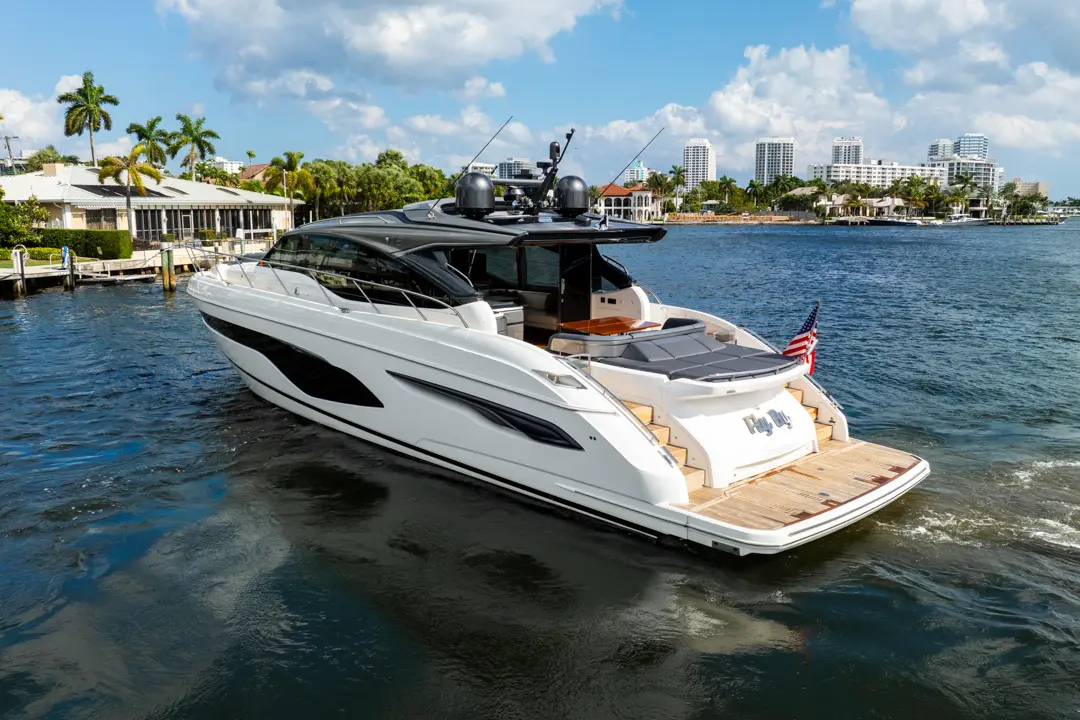
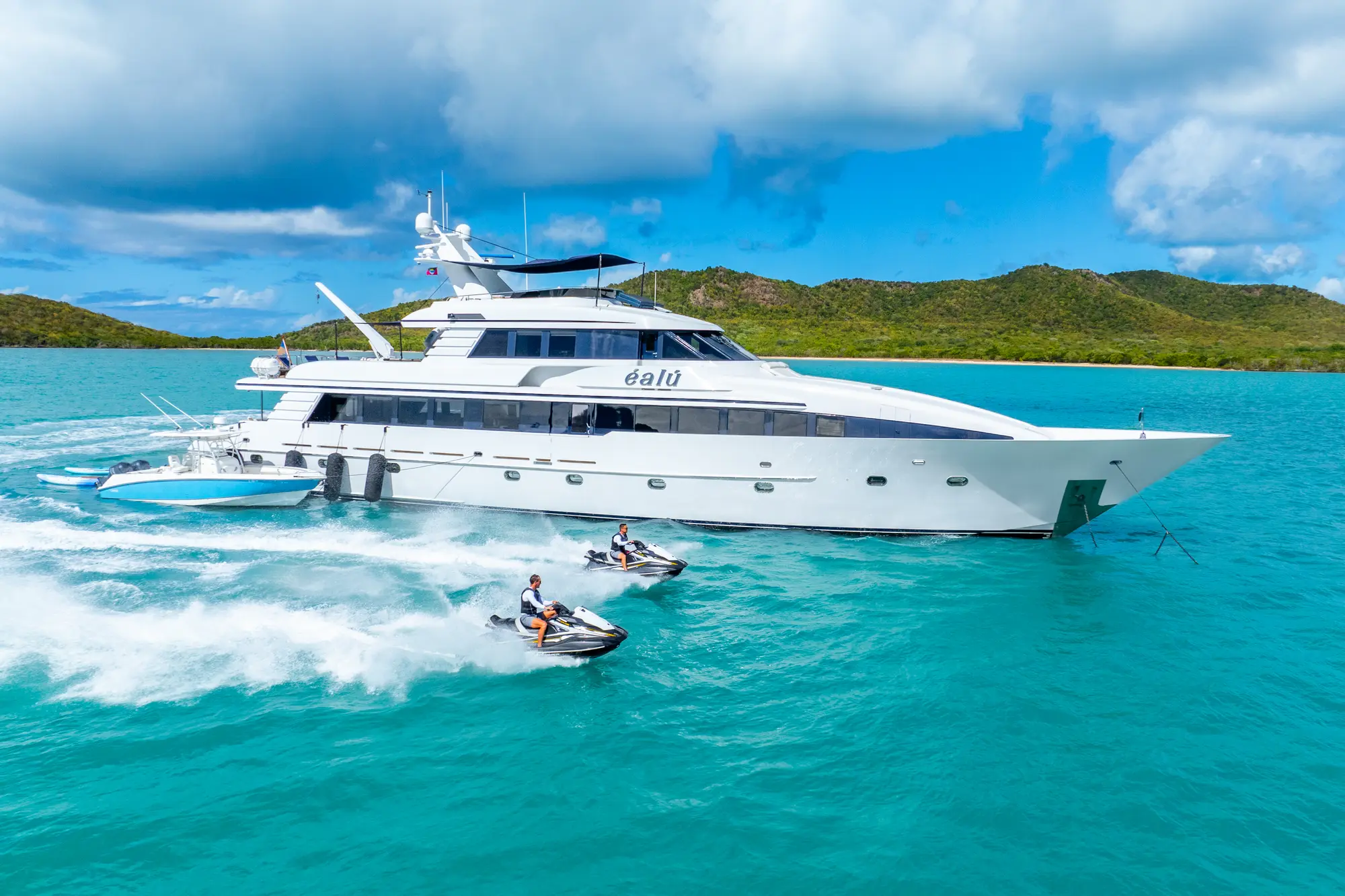
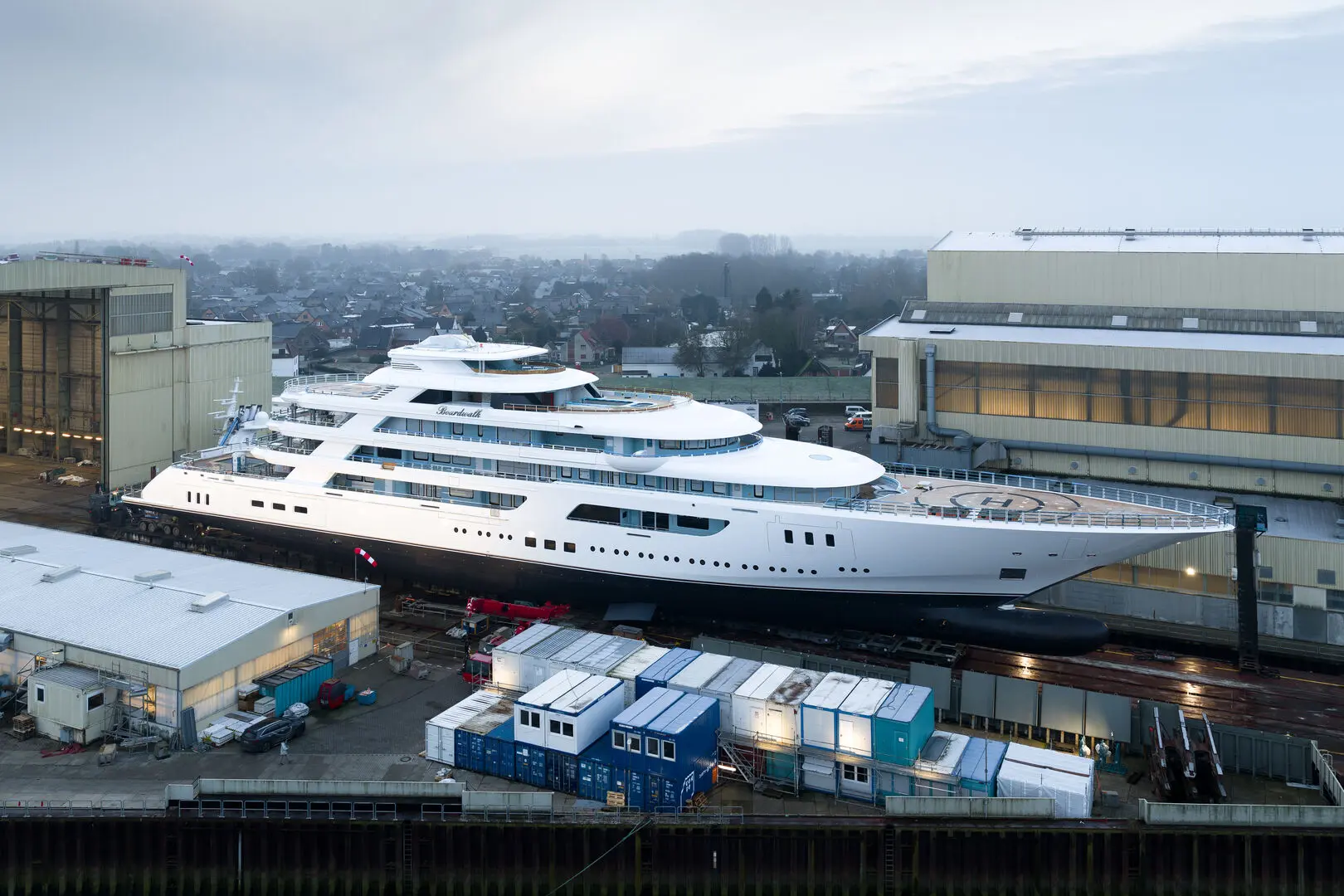
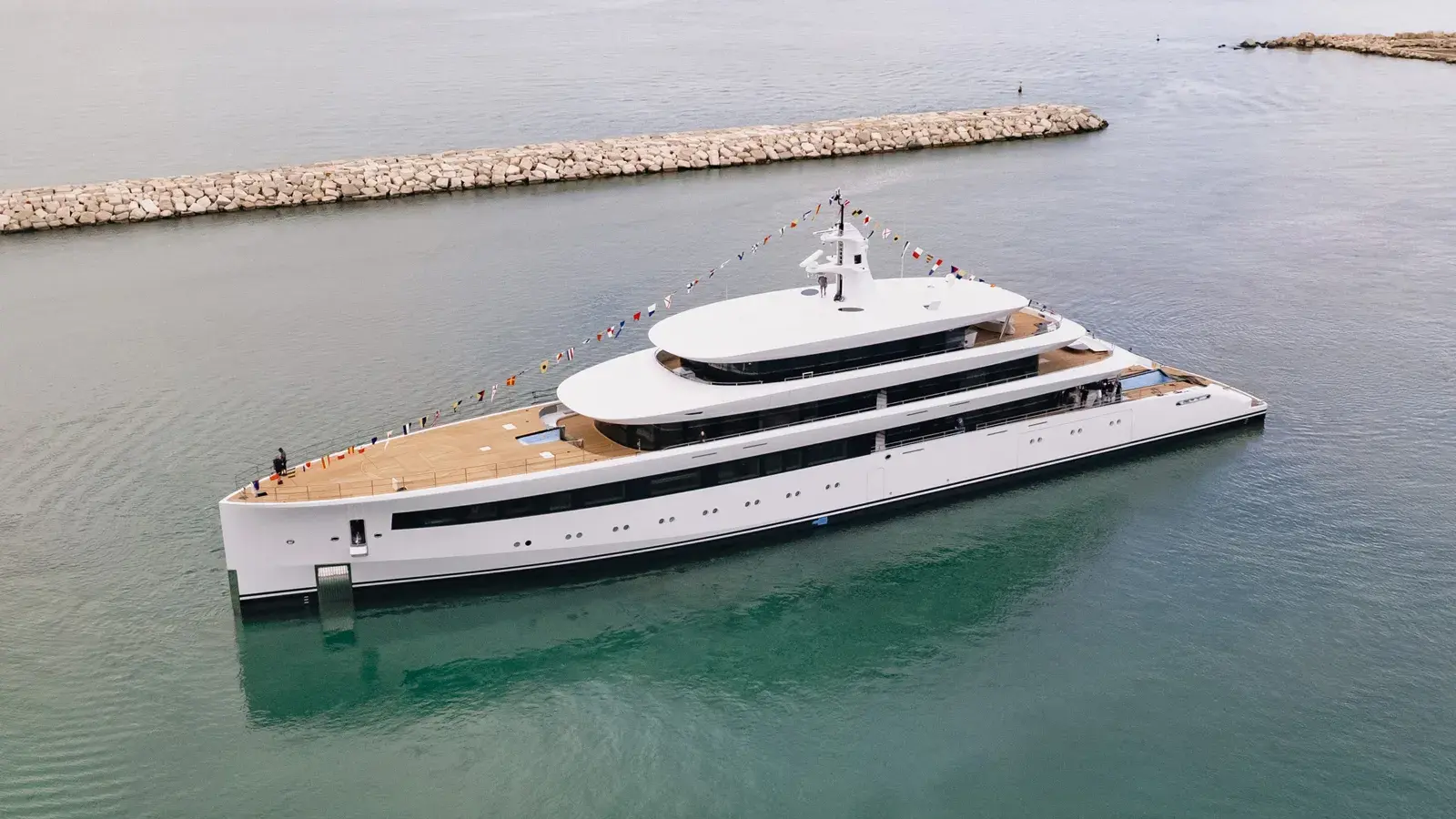
Look at the stern of enough superyachts and eventually you'll notice something strange.
The yacht might belong to an American billionaire. It might have been built in Germany, spend the summer in France, winter in the Caribbean and almost never visit the Cayman Islands.
Yet underneath its name you'll see the same words again and again:
George Town.
That's because the Cayman Islands has become one of the most important places in the world for registering large yachts.
And despite what you might assume, registering a yacht in Cayman doesn't necessarily mean the owner is hiding it from the government or simply trying to avoid taxes.
The real explanation is much more interesting.
Every Yacht Needs a Nationality
A yacht may travel internationally, but legally it can't simply belong to nowhere.
Vessels are registered under a particular jurisdiction known as their flag state.
That flag state establishes the legal framework under which the vessel operates and oversees matters including registration, safety standards and compliance with applicable international maritime rules.
Think of it loosely as the yacht's nationality.
The owner's nationality and the yacht's flag don't necessarily need to match.
That's why a yacht owned by someone from the United States, Europe or elsewhere can legally fly a Cayman Islands flag if the ownership and vessel meet the registry's requirements.
Why Cayman?
The Cayman Islands isn't some obscure registry that accidentally became popular with wealthy yacht owners.
Its maritime registry has spent decades building a reputation around large commercial vessels and yachts.
The Cayman Islands Shipping Registry is part of the Red Ensign Group, a collection of British maritime registries that includes the United Kingdom and several British Overseas Territories and Crown Dependencies.
That connection matters.
For owners purchasing vessels worth tens or hundreds of millions of dollars, the reputation of the flag state can be extremely important.
Banks care about it. Insurers care about it. Classification societies care about it. Captains and yacht managers care about it.
A reputable flag can make the complicated business of owning and operating a large yacht considerably easier.
The Cayman Flag Is Essentially a Premium Yacht Registry
Not all vessel registries serve the same market.
Cayman has developed particular expertise around large yachts, including both private and commercially operated vessels.
That means the people administering the registry regularly deal with exactly the kinds of questions that arise aboard multimillion-dollar yachts.
Large yachts can have complicated ownership structures, professional crews, international itineraries, charter operations and sophisticated financing arrangements.
They may also need to comply with international conventions and specialized safety codes depending on their size and use.
Having a registry accustomed to dealing with those issues can be valuable.
George Town Doesn't Mean the Yacht Lives There
This is where the name painted on the stern confuses people.
When you see "George Town" underneath the yacht's name, it doesn't mean that's where the yacht normally docks.
George Town is its port of registry.
A Cayman-registered yacht could spend essentially its entire operating life moving between places such as Monaco, Italy, Greece, the Bahamas, St. Barts, Miami and other major yachting destinations.
It doesn't need to commute back to Cayman every few months simply because that's what appears on the transom.
The same principle applies to yachts registered in other popular jurisdictions.
Why Not Just Register the Yacht in the Owner's Home Country?
Sometimes owners do.
There are plenty of yachts flying American, British, Italian, Dutch and other national flags.
But a large yacht is an international asset in a way that a house or car usually isn't.
It may be built in one country, financed in another, owned through a company in another jurisdiction, managed from somewhere else and spend most of its life traveling through international waters and foreign ports.
Owners and their advisers therefore select a registry based on the yacht's intended operation rather than simply choosing the flag associated with the owner's passport.
Factors can include regulatory requirements, commercial use, financing, insurance, ownership eligibility, crew considerations and how familiar the owner's management team is with a particular flag administration.
Financing a $100 Million Yacht Changes the Equation
A superyacht isn't always purchased by wiring the shipyard $100 million from someone's checking account.
Large yachts can involve sophisticated financing arrangements.
When a lender has an enormous amount of money secured against a movable asset that can cross an ocean, the legal framework surrounding that asset matters.
The lender wants a registry where ownership and mortgages can be properly recorded and where the legal system provides a predictable framework for protecting its interests.
This is another reason established maritime jurisdictions tend to dominate the upper end of yacht registration.
The flag isn't merely decoration.
It's part of the legal infrastructure surrounding an extremely valuable asset.
Insurance Companies Care Too
Insuring a superyacht is already complicated.
Underwriters may consider the yacht's value, construction, age, crew, cruising area, hurricane exposure, claims history, maintenance and intended use.
The flag state becomes another part of that risk profile.
A well-established registry with recognized safety and regulatory standards can make life easier for owners, managers and insurers.
Again, the important theme is predictability.
When the asset is worth tens of millions of dollars, everyone involved wants to know exactly which rules apply.
Cayman Works for Private and Commercial Yachts
Another major consideration is what the yacht actually does.
Some superyachts are used entirely by their owners.
Others are offered for charter when the owner isn't aboard.
Commercial operation introduces another layer of regulation because the yacht is carrying paying passengers rather than simply transporting the owner's friends and family.
Cayman has extensive experience registering both private and commercial yachts, which makes it attractive to an industry where chartering is common.
The exact regulatory requirements depend on the yacht's size, configuration and operation, but choosing the right flag from the beginning can be extremely important when charter activity is part of the plan.
Then There Is the British Connection
The Cayman Islands is a British Overseas Territory, and its registry operates within the Red Ensign Group.
That's why Cayman-registered yachts fly a red flag featuring the Union Jack and the Cayman Islands coat of arms.
For the international maritime industry, the Red Ensign system is well established.
That heritage gives Cayman something especially valuable in the superyacht world: recognition.
A captain arriving in a foreign port with a Cayman-flagged yacht isn't presenting authorities with some unknown registry they've never encountered before.
What About Taxes?
This is where the conversation usually becomes oversimplified.
The Cayman Islands is well known as an international financial center with no direct taxation in several areas, so it's easy to assume that every yacht flying a Cayman flag is there purely to avoid taxes.
But the flag on the stern does not magically make taxes disappear.
Tax treatment can depend on the owner's residence, the ownership entity, where the yacht was purchased, where it is imported, where it operates, whether it is private or commercial, and numerous other factors.
A Cayman registration by itself does not provide some universal exemption from VAT, sales tax, import duties or the owner's tax obligations elsewhere.
A yacht operating extensively in European waters, for example, may still face European customs and VAT considerations regardless of the flag flying at the stern.
The structure can become extremely complicated, which is precisely why large-yacht owners normally use specialized maritime lawyers, accountants, yacht managers and tax advisers.
Is It About Privacy?
Privacy can certainly matter to wealthy yacht owners, but this is another area where reality is less dramatic than internet speculation.
Large yachts are difficult things to hide.
They visit public ports, employ professional crews, require insurance and classification, interact with customs authorities and can often be tracked through AIS data.
Ownership may also involve companies rather than an individual's name appearing directly in every transaction.
But using a corporate ownership structure isn't unique to Cayman or even unique to yachts.
Companies are routinely used to own aircraft, commercial ships, real estate and other valuable assets for reasons including liability, financing, succession and administration.
We'll get into that particular rabbit hole separately, because the company that legally owns a superyacht can be just as interesting as the flag flying behind it.
Cayman Isn't the Only Popular Yacht Flag
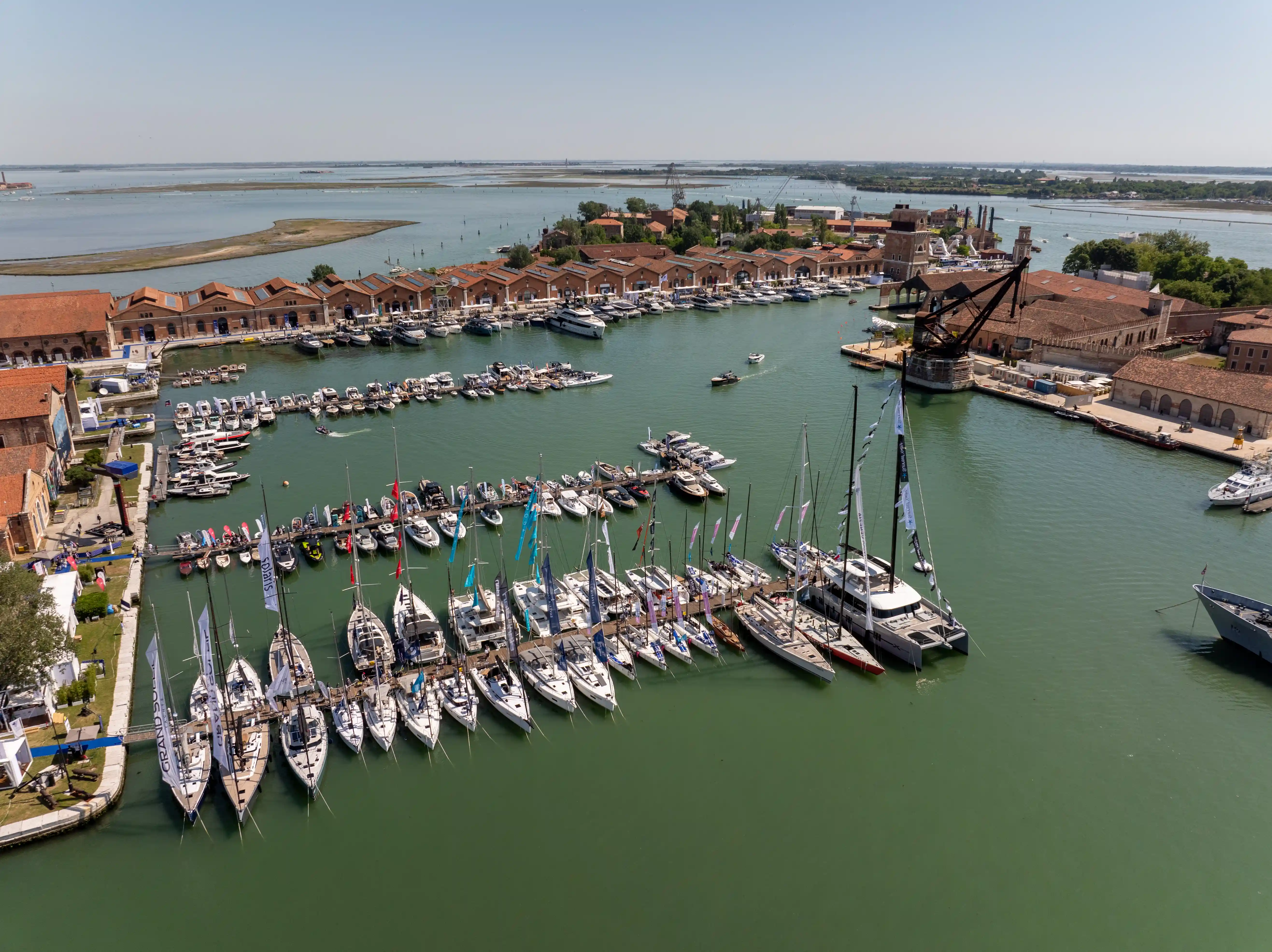
Look around a superyacht marina and you'll see plenty of other flags too.
Malta is a major player. The Marshall Islands is common. The Isle of Man, Bermuda and Gibraltar also appear in the international yacht fleet, along with traditional national registries.
Each jurisdiction has its own requirements and advantages.
The best choice depends on the yacht, its owner and how it will be operated.
That's why there isn't one universally "best" flag for every superyacht.
The Bigger the Yacht, the More the Flag Matters
On a relatively small recreational boat, registration can feel like paperwork.
On a 200-foot superyacht, the flag state becomes much more involved in the vessel's legal and regulatory existence.
Large yachts employ professional crews, cross international borders, undergo surveys and inspections and may operate commercially.
Once vessels reach certain size and tonnage thresholds, additional international maritime regulations can become applicable as well.
The yacht might look like a floating mansion from the beach.
Legally and operationally, however, it is also a serious seagoing vessel.
Why You Keep Seeing George Town
Ultimately, Cayman became so common in yachting because it built an ecosystem specifically suited to the industry.
It offers an internationally recognized registry, a well-established maritime legal framework, experience with large private and commercial yachts and familiarity among the lawyers, lenders, insurers, managers and captains who work with them.
Once an ecosystem like that becomes established, it also reinforces itself.
Yacht managers know how Cayman works. Lawyers know how Cayman works. Banks have financed Cayman vessels before. Captains have operated them before.
For an owner spending an enormous amount of money on an already complicated asset, familiarity has value.
Final Thoughts
The Cayman Islands flag has become one of the defining sights of the modern superyacht world.
But seeing "George Town" painted across a yacht's stern doesn't tell you where the owner lives, where the yacht spends its time or how much tax somebody pays.
What it primarily tells you is where the vessel is registered.
Cayman became a superyacht powerhouse because registration at this level isn't simply about picking a flag that looks good in photographs.
It's about regulation, financing, insurance, commercial operation, legal certainty and managing an asset that can be worth more than an office building while moving between countries.
So the next time you're standing in Monaco, Miami or St. Barts wondering why half the giant yachts seem to come from a tiny Caribbean territory thousands of miles away, the answer is surprisingly simple.
They probably don't.
They just have very expensive paperwork there.