Why So Many Boat Brands Have Started Building Catamarans
Just a decade ago, power catamarans occupied a relatively small corner of the recreational boating market. Today, they're one of the fastest-growing segments in the industry.
Builders that once focused exclusively on traditional monohulls are investing heavily in catamaran development, while entirely new brands are emerging to meet growing demand. From family cruisers and fishing boats to luxury yachts, catamarans are no longer considered a niche option—they're becoming a mainstream choice for many buyers.
So why has nearly every major boat builder suddenly become interested in catamarans?
More Space Without a Much Larger Boat
One of the biggest advantages of a catamaran is simple: usable space.
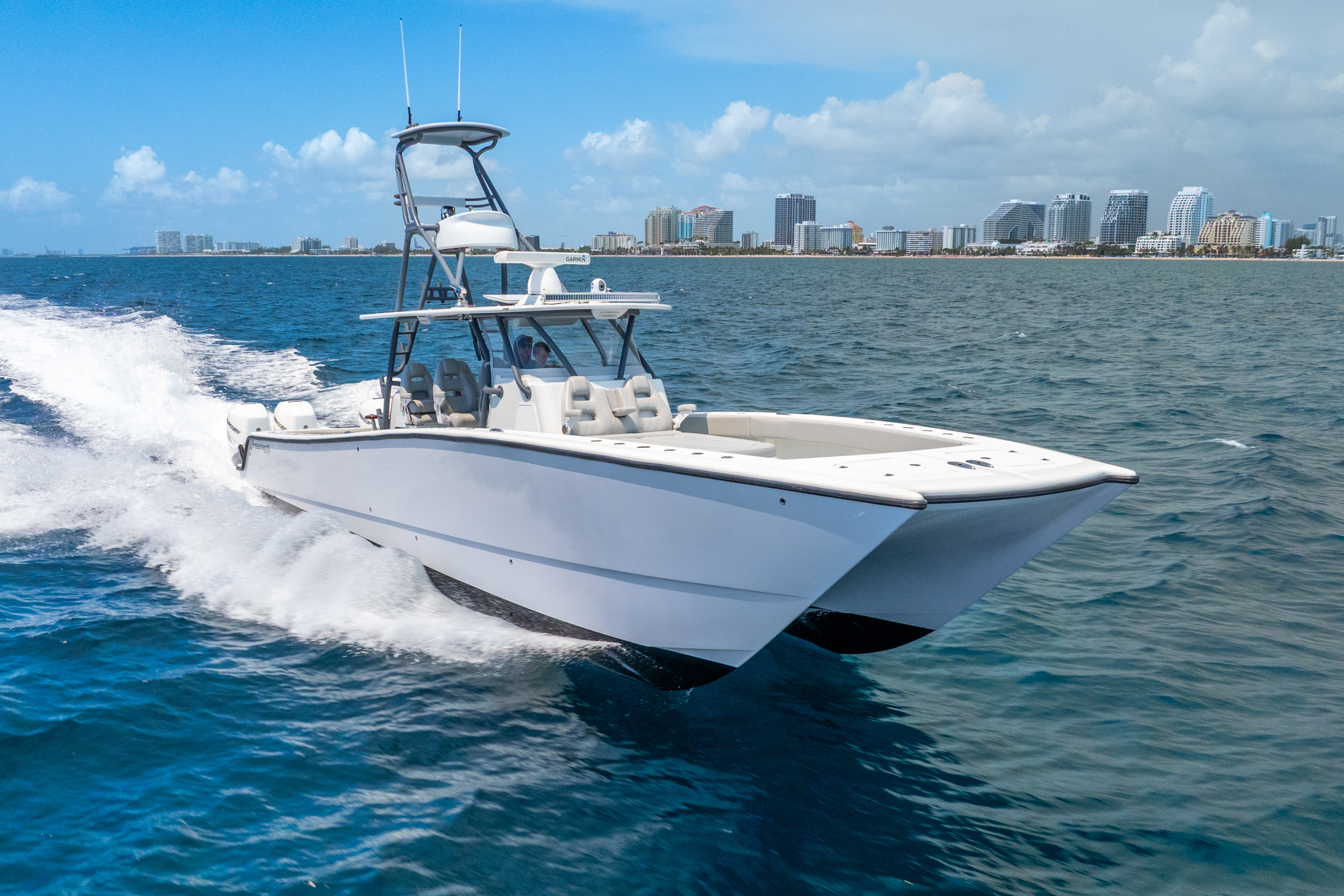
By using two hulls connected by a wide deck structure, catamarans offer significantly more interior volume and deck space than a similarly sized monohull. Owners gain larger salons, wider cockpits, expansive bow seating areas, and more generous cabins without having to move into a dramatically longer boat.
For many buyers, that means getting the feel of a 50-foot monohull in a boat that may only be 40 to 45 feet long.
Stability Is a Major Selling Point
Anyone who has spent time on the water knows that comfort matters.
Thanks to their wide stance and dual-hull design, catamarans generally experience less side-to-side rolling when sitting at anchor or drifting. While every sea state is different, many owners appreciate the additional stability, particularly when entertaining guests or spending several days aboard.
Families with young children, first-time owners, and buyers who regularly host friends often see this as one of the biggest reasons to choose a catamaran over a traditional monohull.
Efficiency Continues to Improve
Modern hull design has also helped make power catamarans more efficient than ever before.
Because each hull moves through the water with less resistance than a single wide hull, many catamarans can deliver impressive fuel economy at cruising speeds. Combined with lighter construction materials and increasingly efficient engines, that can translate into longer cruising ranges and lower operating costs.
While fuel consumption always depends on the specific design and operating conditions, efficiency has become one of the category's strongest selling points.
Fishing Boats Are Joining the Trend
Catamarans are no longer limited to cruising and luxury applications.
Offshore fishing builders have begun embracing twin-hull designs as anglers look for larger fishing platforms, greater stability while trolling or bottom fishing, and additional deck space for multiple anglers.
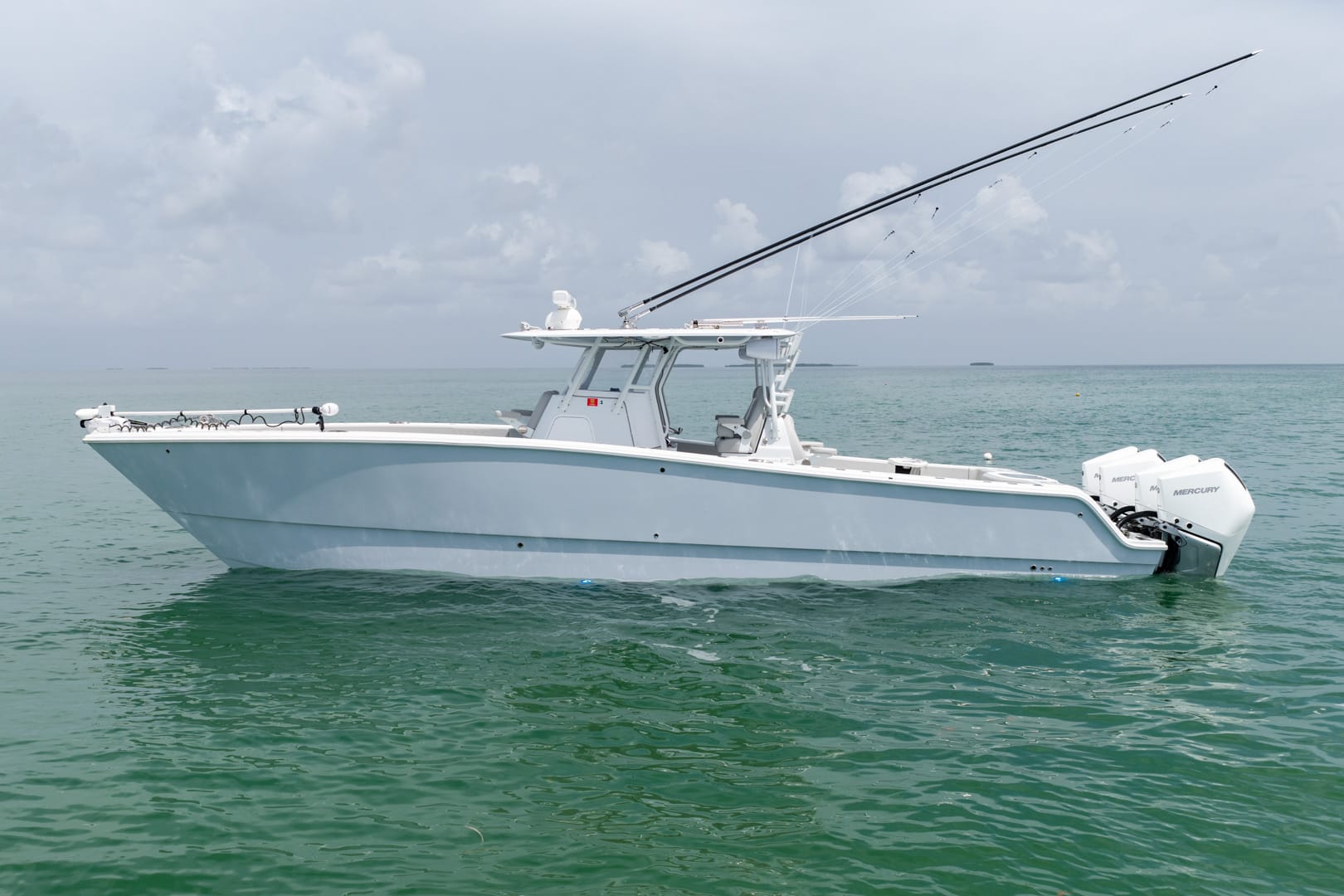
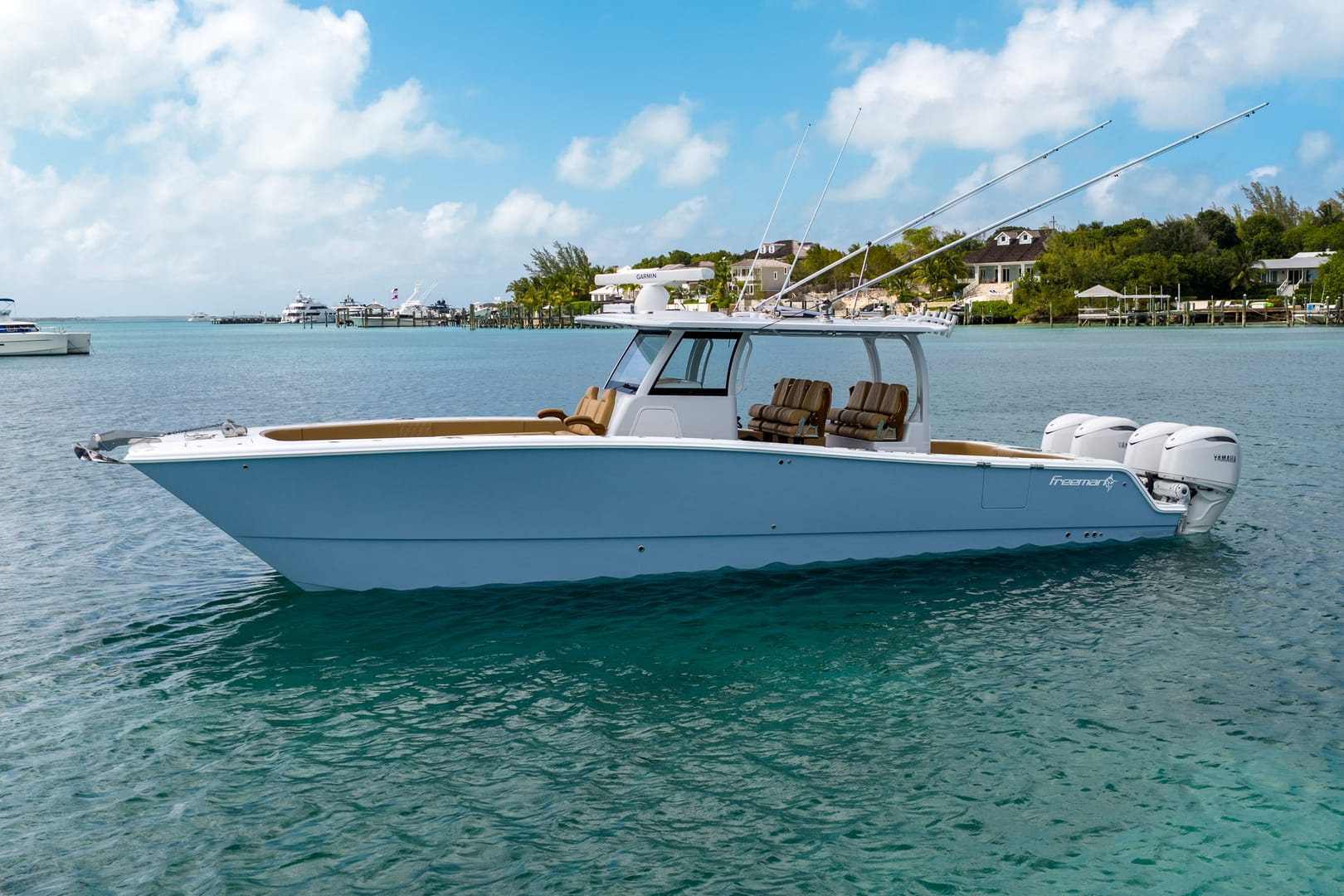
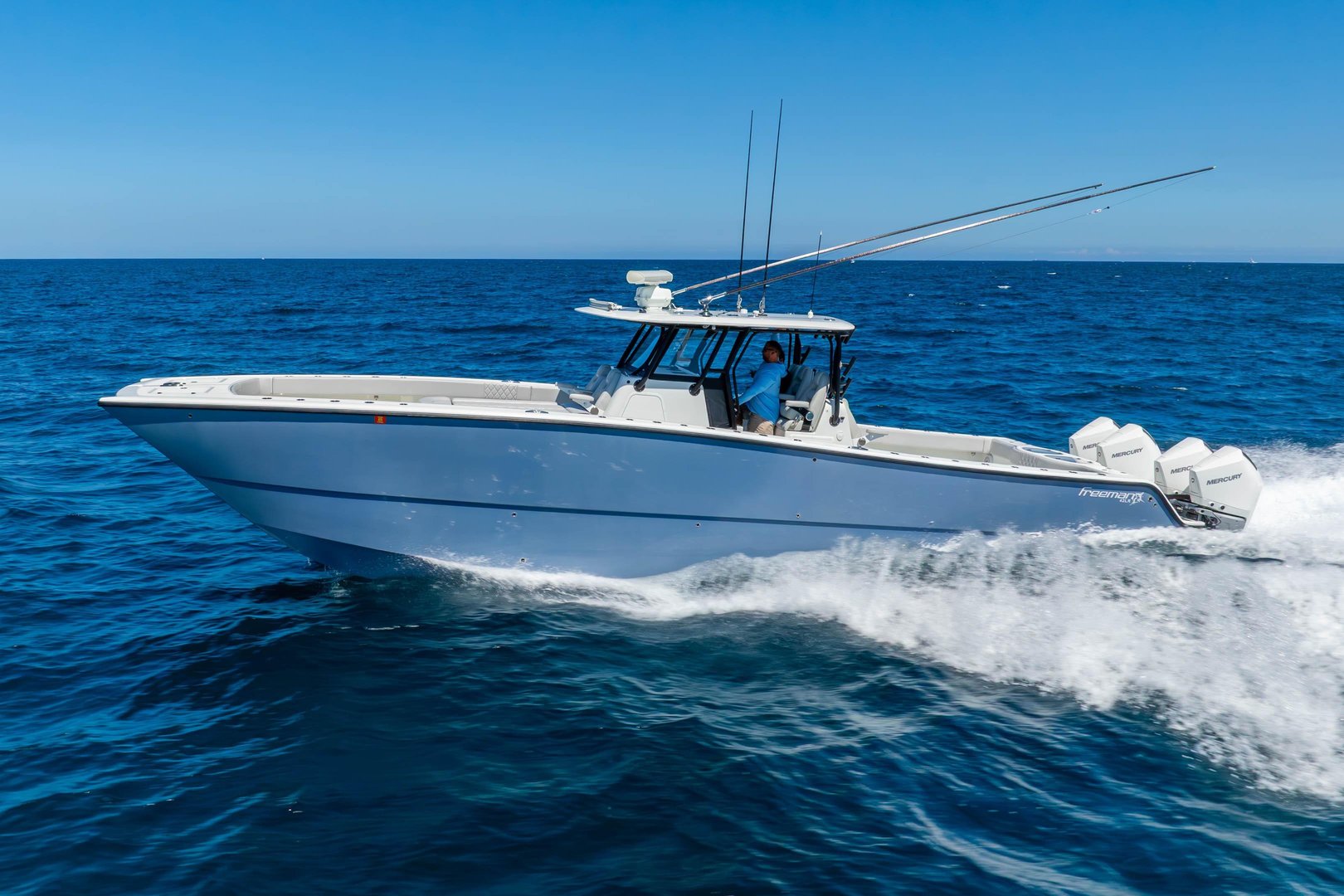
Builders such as Freeman, World Cat, Invincible, and others have demonstrated that catamarans can deliver both offshore capability and outstanding fishability, helping fuel even greater interest across the industry.
Luxury Builders Are Paying Attention
The trend isn't limited to center consoles and fishing boats.
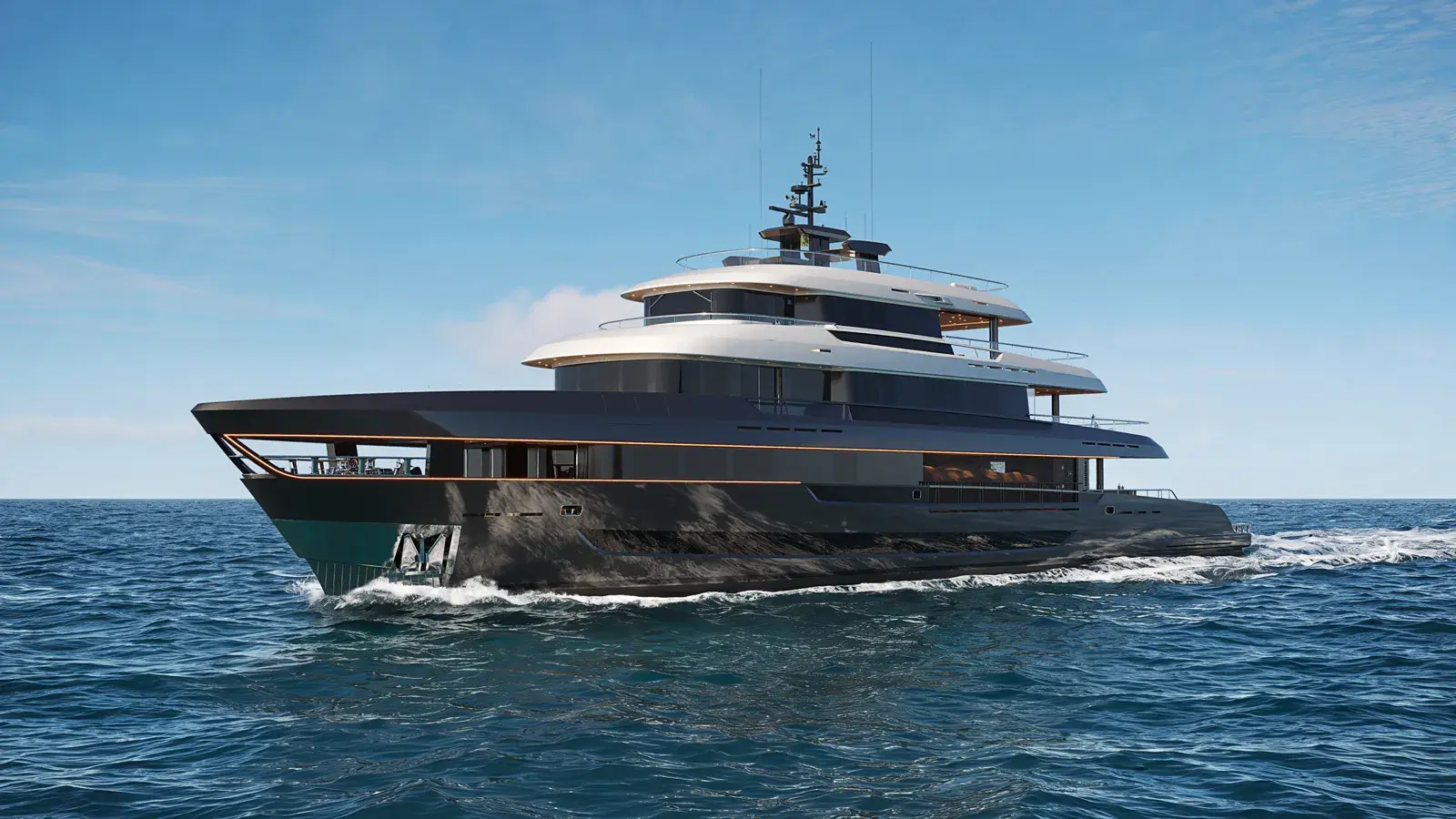
Luxury builders including Sunreef, Aquila, Lagoon, Silent Yachts, Horizon, and Fountaine Pajot have all expanded their power catamaran offerings in recent years. These boats combine spacious interiors with high-end finishes, creating floating homes that appeal to owners planning extended cruising.
Many of today's luxury catamarans feature beach clubs, flybridges, expansive owner suites, and full-size kitchens that rival those found aboard much larger monohulls.
Charter Demand Helped Fuel Growth
Another reason for the boom is the charter market.
Charter companies have long appreciated catamarans for their stability, generous living space, and guest-friendly layouts. Vacationers often spend several days or even weeks aboard, making comfort just as important as performance.
As more travelers experience catamarans through charter vacations, many eventually decide to purchase one themselves, creating a steady pipeline of future buyers.
Modern Designs Look Better Than Ever
Older catamarans often carried a reputation for being bulky or purely functional.
That perception has changed dramatically.
Today's designers have produced sleek, aggressive catamarans with sharp lines, expansive glass, and contemporary styling that rivals many traditional luxury yachts. Improved engineering has also made it possible to build larger, lighter, and more visually striking boats without compromising strength.
For many buyers, choosing a catamaran is no longer about sacrificing style for practicality.
Will Catamarans Replace Monohulls?
Probably not.
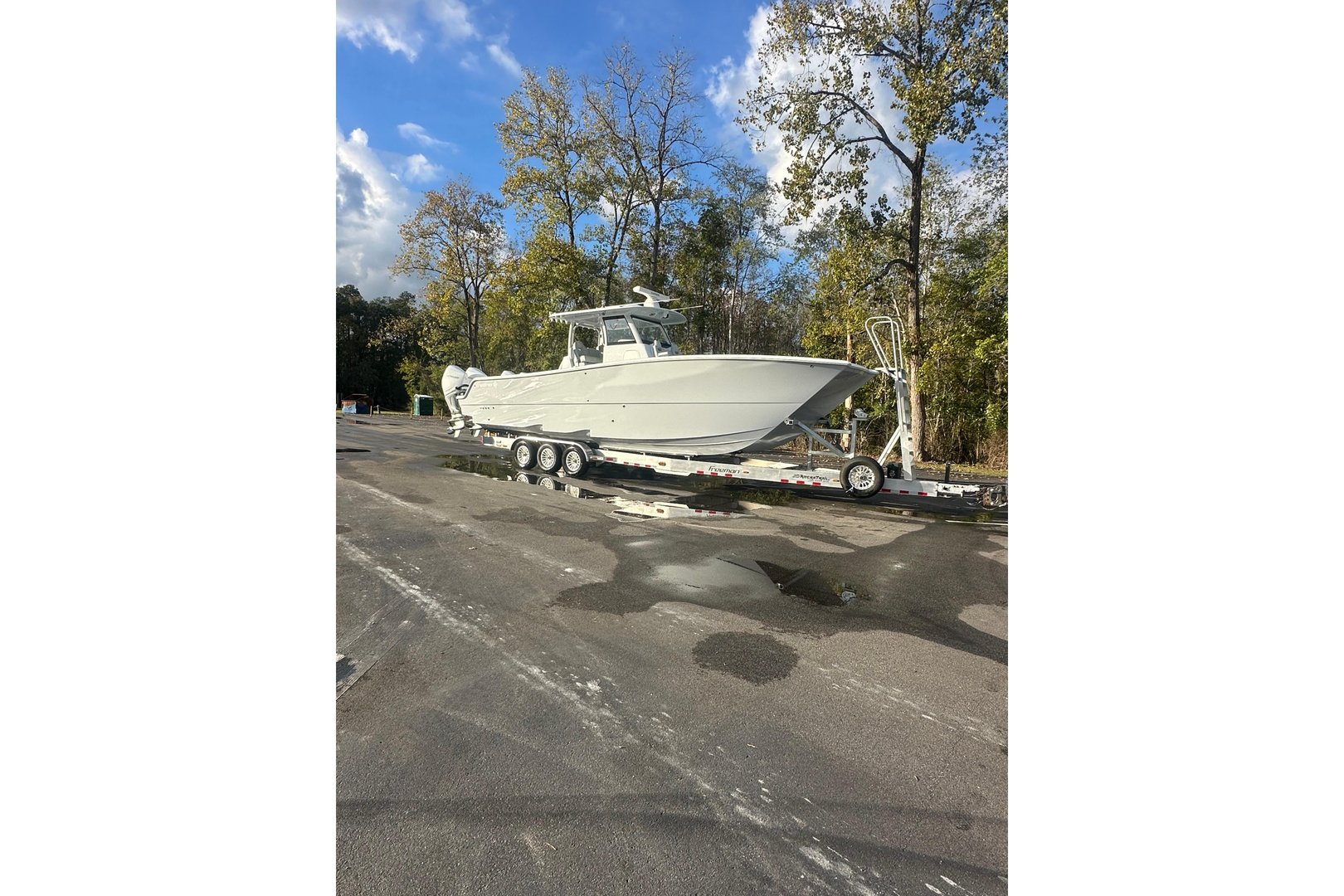
Traditional monohulls still offer advantages in certain applications, including high-performance boating, rough offshore conditions, marina accessibility, and towing behind smaller vehicles. Many experienced boaters also simply prefer the handling characteristics and appearance of a monohull.
Rather than replacing one another, the two designs are increasingly serving different types of owners with different priorities.
Final Thoughts
The rapid growth of the catamaran market isn't a passing trend. Buyers are looking for more living space, greater comfort, improved efficiency, and versatile layouts that support everything from weekend cruising to extended adventures.
Boat builders have taken notice, investing heavily in new catamaran platforms across nearly every segment of the industry. As technology continues to improve and more manufacturers enter the market, it's likely that power catamarans will become an even more common sight in marinas around the world.
Whether you're shopping for your first boat or your next upgrade, there's a good chance the biggest decision won't be which brand to choose—it'll be whether you want one hull or two.