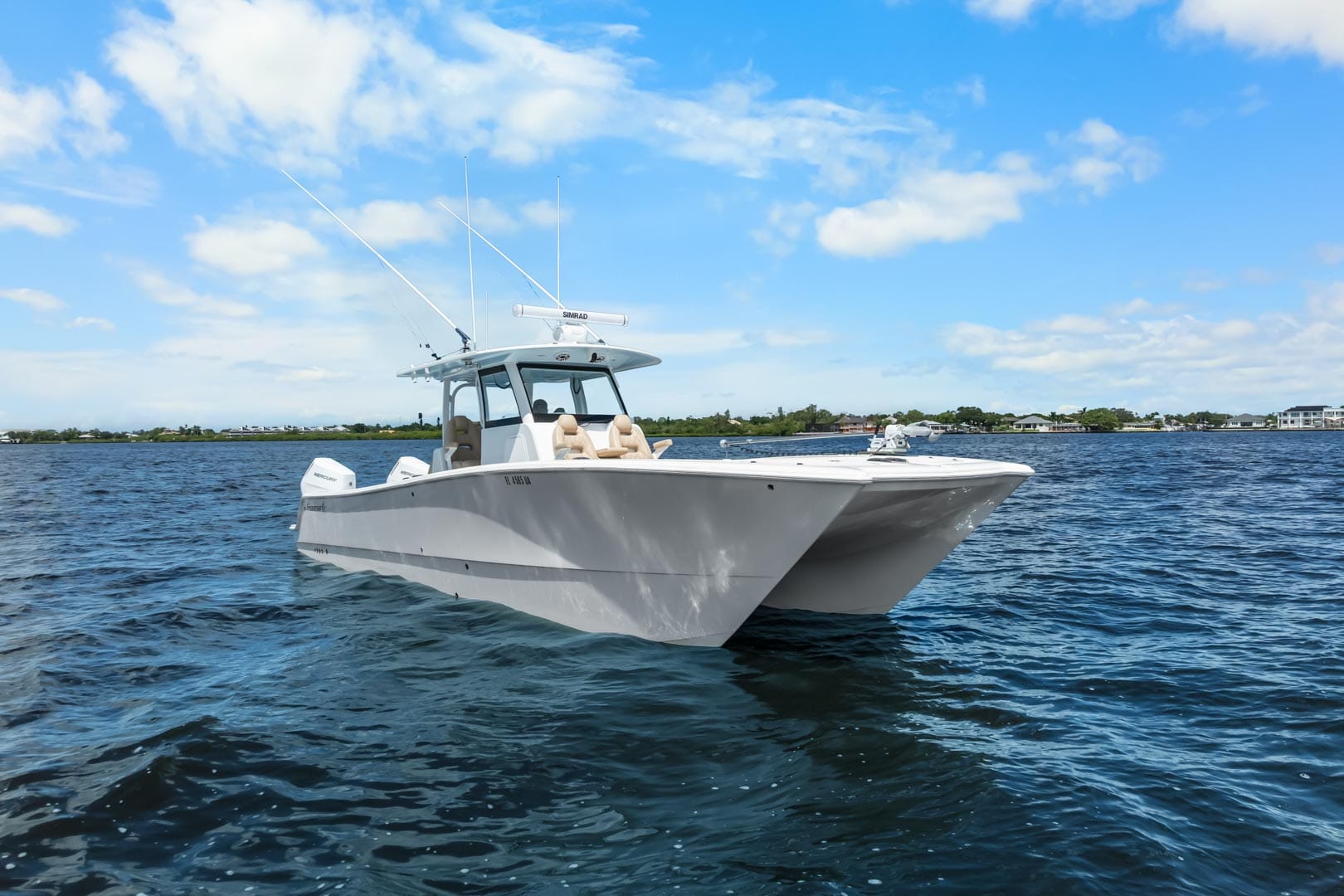
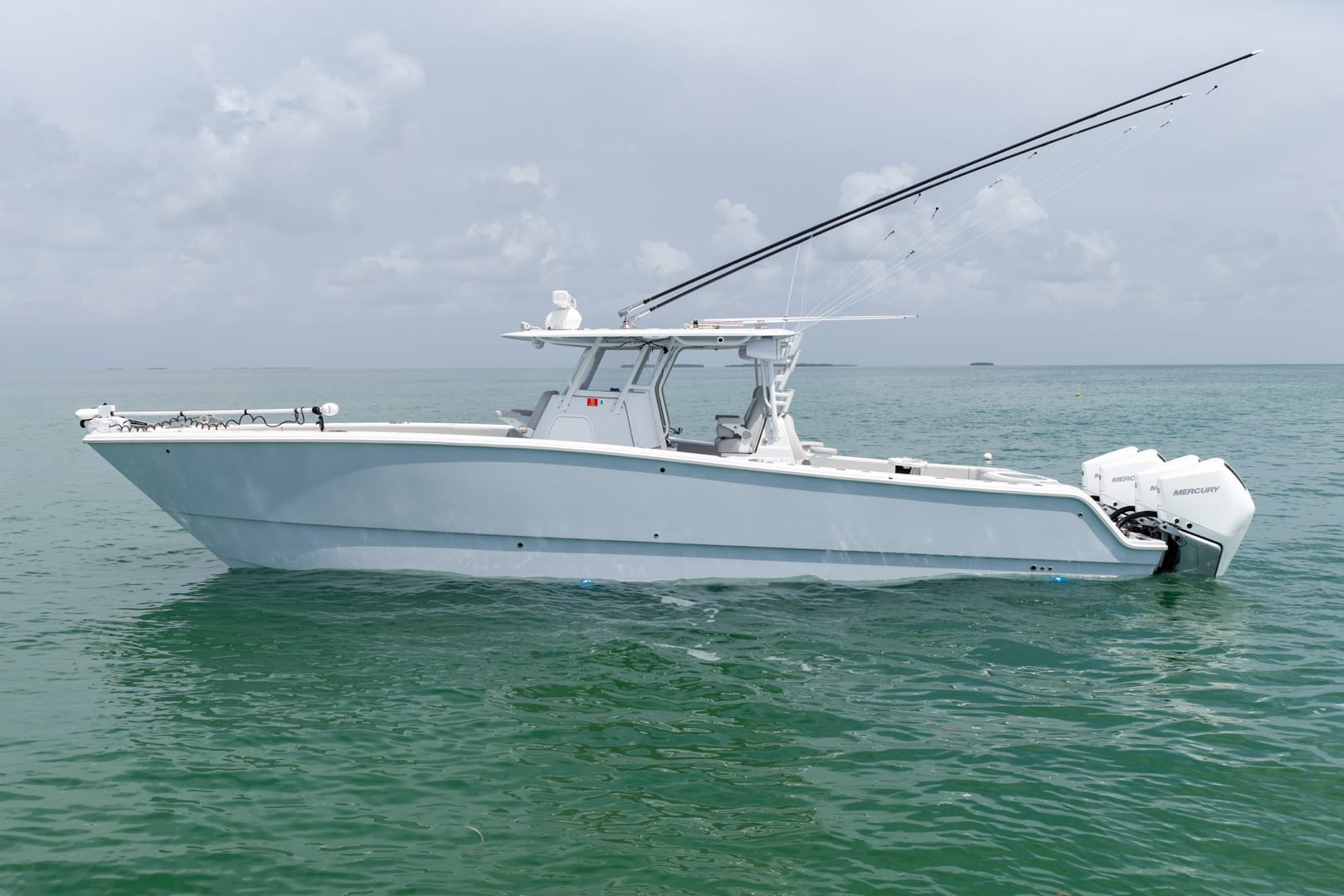
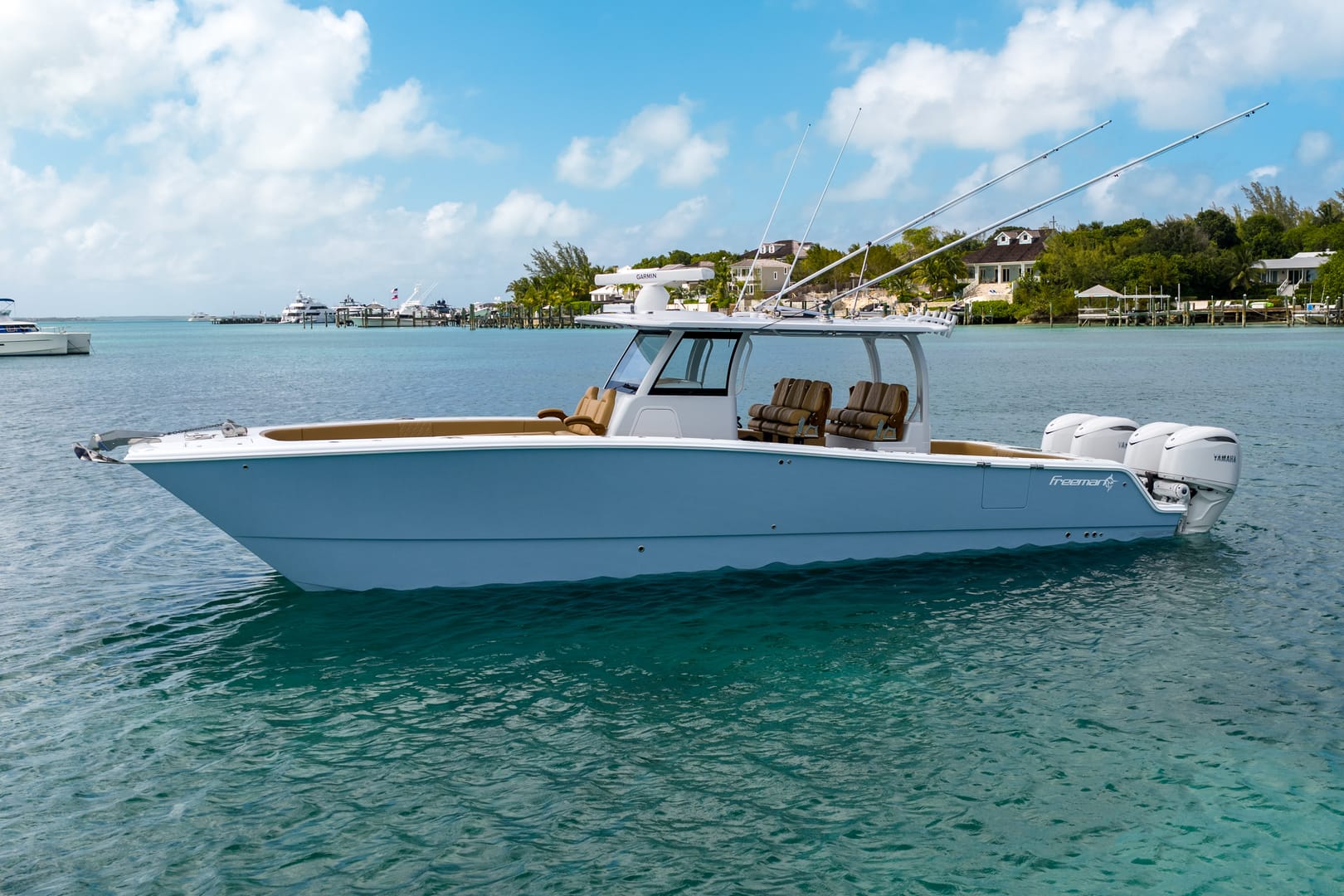
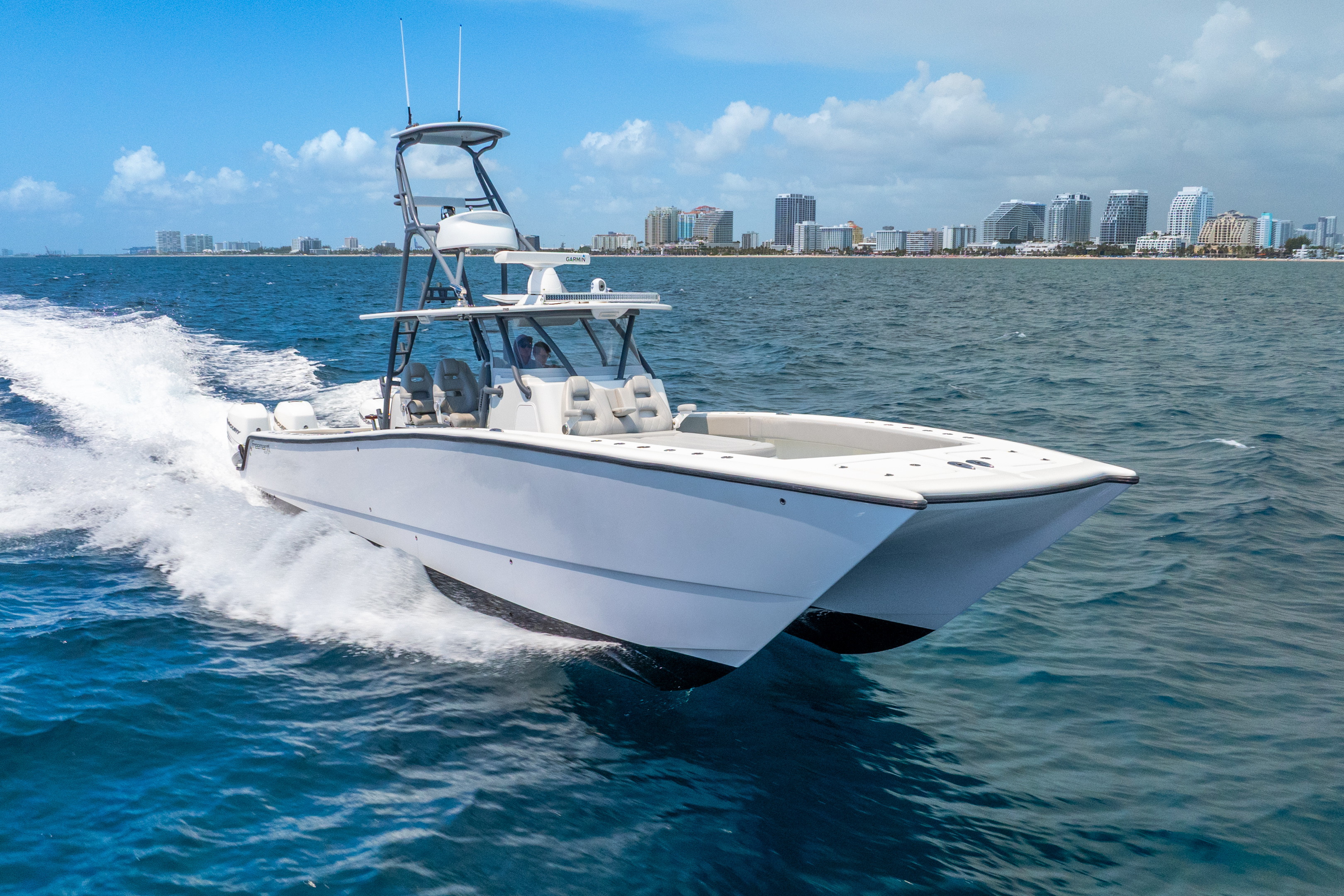
You're looking at a used boat that seems perfect. The hull is clean, the electronics are updated, and the asking price is reasonable. Then you notice the engine has 1,200 hours.
Is that a lot? Should you walk away? Or could the engine have thousands of hours of reliable operation left?
One of the most common questions when buying a used boat is what is considered high hours on a boat engine. Unlike cars, which are typically evaluated by mileage, boat engines are measured by operating hours. But interpreting those hours isn't always straightforward.
A 500-hour outboard might have experienced years of neglect, while a 2,000-hour marine diesel could still be in excellent mechanical condition.
The answer depends on the engine type, maintenance history, operating conditions, and how those hours were accumulated.
Here's what buyers should know before deciding whether a boat has too many engine hours.
How Many Hours Is a Lot for a Boat Engine?
For many recreational gasoline-powered boat engines, 1,000 hours is a point where buyers begin paying closer attention to maintenance history and mechanical condition. However, it isn't a universal threshold for an engine being worn out.
Modern four-stroke outboards can operate well beyond 1,000 hours with proper maintenance, while many marine diesel engines are designed for substantially longer service lives.
The following table provides a general framework for evaluating used marine engines.
| Engine Type | Hours Worth Closer Inspection | Important Considerations |
|---|---|---|
| Four-stroke outboard | 1,000+ hours | Service history, corrosion, cooling system, operating profile |
| Two-stroke outboard | 500–1,000+ hours | Engine generation, lubrication, compression, maintenance |
| Gasoline inboard | 1,000+ hours | Cooling system, exhaust components, maintenance, load |
| Marine diesel | 2,000+ hours | Engine rating, duty cycle, cooling system, service records |
These are broad inspection guidelines, not manufacturer-defined lifespan limits. Actual engine longevity varies considerably by model, installation, use, and maintenance.
Some engines require major repairs well before these figures, while others continue operating reliably for thousands of additional hours.
Is 100 Hours a Lot for a Boat Engine?
No. For most modern recreational boat engines, 100 operating hours is relatively low.
A boat accumulating 100 hours annually would reach that figure after approximately one year of use.
However, low hours don't automatically mean an engine is in excellent condition.
A boat that has spent several years sitting unused may have deteriorated fuel, corrosion, aging hoses, neglected cooling components, or other problems associated with prolonged storage.
For this reason, buyers should consider the engine's age and maintenance history alongside its hour meter.
Is 500 Hours a Lot for a Boat Engine?
For a modern four-stroke outboard, 500 hours is generally not considered unusually high.
Many recreational boats accumulate 50 to 100 hours per year, although usage varies significantly by owner and location.
At that rate, a five- to ten-year-old boat could reasonably have around 500 hours.
What matters more is whether the engine has received its required maintenance.
Oil changes, gearcase servicing, fuel system maintenance, water pump inspections, and other manufacturer-recommended procedures can make a substantial difference in long-term reliability.
A 500-hour engine with complete service records may be more appealing than a 150-hour engine that hasn't been properly maintained for several years.
Is 1,000 Hours a Lot for an Outboard Motor?
One thousand hours is a meaningful milestone for a recreational outboard, but it doesn't necessarily mean the engine is approaching the end of its life.
Modern Yamaha, Mercury, Suzuki, and Honda four-stroke outboards can exceed 1,000 hours when properly operated and maintained.
Some commercial and frequently used recreational engines accumulate several thousand hours.
However, higher operating hours increase the importance of inspecting components that may be affected by wear, corrosion, heat, and maintenance history.
Before purchasing a used outboard with 1,000 hours or more, consider arranging a professional inspection that includes appropriate diagnostic checks and an evaluation of the engine's mechanical condition.
For many buyers, documented maintenance is more valuable than an unusually low hour reading without supporting records.
Is 2,000 Hours Too Much for a Boat Engine?
It depends heavily on the type of engine.
For a gasoline-powered recreational outboard or inboard, 2,000 hours represents substantial use and warrants a thorough inspection.
That doesn't automatically make the engine unsuitable for purchase. A well-maintained engine may still have useful life remaining, but buyers should carefully consider the potential for expensive repairs or replacement.
For a marine diesel, 2,000 hours may be relatively modest, depending on the engine's design and operating history.
Some diesel engines are engineered for demanding commercial applications and can accumulate many thousands of hours before major overhaul, provided they are maintained and operated within their intended duty ratings.
The key is to evaluate the specific engine model rather than applying the same hour threshold to every boat.
How Long Do Yamaha Outboard Engines Last?
Yamaha four-stroke outboards are widely used on recreational fishing boats, center consoles, and commercial vessels.
There is no single operating-hour lifespan that applies to every Yamaha outboard.
Longevity depends on the engine family, maintenance schedule, operating conditions, cooling system health, and how the motor is used.
A Yamaha outboard that receives regular oil changes, appropriate fuel system maintenance, and proper cooling system service may operate reliably for thousands of hours.
However, saltwater corrosion, overheating, neglected maintenance, and repeated operation outside recommended conditions can significantly shorten its useful life.
When evaluating a used Yamaha outboard, buyers should review maintenance records, inspect for corrosion, and obtain diagnostic information when available.
For certain models and generations, it may also be important to investigate known service concerns specific to that engine.
How Long Do Mercury Outboard Engines Last?
Mercury manufactures a wide range of outboards, from smaller recreational motors to high-horsepower Verado engines.
As with Yamaha, there is no universal hour limit at which a Mercury outboard becomes worn out.
Modern Mercury four-stroke engines can accumulate substantial operating hours when properly maintained.
However, buyers should distinguish between different engine families, generations, and maintenance requirements.
A high-horsepower supercharged Verado from an older generation may have different service considerations than a newer naturally aspirated Mercury four-stroke.
Engine diagnostics, maintenance documentation, cooling system condition, and evidence of previous repairs are particularly valuable when evaluating higher-hour examples.
How Many Hours Can a Marine Diesel Engine Last?
Marine diesel engines often have longer potential service lives than recreational gasoline engines, but that doesn't mean every diesel will last the same number of hours.
Diesel longevity depends on engine design, power rating, duty cycle, cooling system maintenance, operating load, and installation quality.
A commercial diesel operating at a moderate load under a suitable duty rating may achieve many thousands of operating hours.
A highly stressed recreational diesel producing substantial horsepower from a relatively small displacement may have different maintenance and overhaul expectations.
Some marine diesel installations can operate for 5,000, 10,000, or more hours before major overhaul, but those figures should never be assumed for a particular engine without reviewing manufacturer guidance and its actual condition.
For larger motor yachts and sportfishing boats, buyers should consider hiring a diesel mechanic familiar with the specific engine manufacturer.
Are Low Engine Hours Always Better?
Not necessarily.
It's easy to assume that a 15-year-old boat with 200 engine hours is a better purchase than one with 1,000 hours.
But boats that sit unused for extended periods can develop problems that aren't reflected in the hour meter.
Fuel can deteriorate. Seals and hoses can age. Corrosion can develop in cooling passages and exhaust components. Batteries and electrical connections may suffer from neglect.
Marine engines also need time-based maintenance, even when they aren't accumulating many operating hours.
An engine that receives an oil change every 100 hours but has only accumulated 40 hours in five years may still be overdue for service under the manufacturer's calendar-based maintenance requirements.
Consistent use combined with proper maintenance can be preferable to prolonged inactivity.
How Many Engine Hours Per Year Is Normal for a Boat?
Recreational boat usage varies considerably.
A seasonal boat in the northeastern United States may accumulate relatively few hours each year, while a center console used regularly in South Florida may operate much more frequently.
As a rough illustration, 50 to 100 hours annually is a reasonable reference range for some recreational owners, but many boats fall well outside it.
Fishing charters, commercial vessels, and boats used for frequent long-distance trips can accumulate hundreds or even thousands of hours annually.
When evaluating a used boat, compare its engine hours with its age and intended use.
A ten-year-old recreational boat with 800 hours has averaged approximately 80 hours per year.
That may be entirely reasonable.
But a ten-year-old boat with only 50 hours deserves questions about storage, maintenance, and how long it has been inactive.
Do Engine Hours Affect Boat Resale Value?
Yes. Engine hours can influence how buyers evaluate a used boat and what they're willing to pay.
When comparing otherwise similar vessels, buyers may prefer the boat with fewer hours, particularly if both have comparable maintenance histories and mechanical condition.
However, engine hours are only one part of a boat's value.
Maintenance records, age, cosmetic condition, electronics, equipment, hull condition, and local market demand also matter.
A well-maintained center console with 900 hours and updated electronics may be more attractive than a neglected example with 300 hours.
Likewise, a boat approaching an expensive scheduled service or requiring significant engine repairs may need to be priced accordingly.
For sellers, providing complete service records and accurate engine-hour information can help buyers assess the vessel with greater confidence.
How to Check Engine Hours on a Used Boat
Many modern marine engines store operating-hour information electronically.
Depending on the manufacturer and engine model, hours may be displayed through digital gauges, multifunction displays, or manufacturer-specific diagnostic software.
Some diagnostic systems can also provide information about operating history, fault codes, and engine performance.
For example, certain engines can report how much time they have spent operating within different RPM ranges.
This information can be useful because two engines with identical total hours may have experienced very different operating conditions.
However, diagnostic capabilities vary by engine, and electronic records don't reveal every aspect of an engine's history.
Buyers should also compare available diagnostic information with maintenance records and the seller's disclosures.
What to Inspect Before Buying a High-Hour Boat Engine
If you're considering a boat with substantial engine hours, a professional mechanical inspection is one of the most important steps you can take.
The appropriate inspection depends on the engine, but it may include:
- Compression or leak-down testing: Evaluating cylinder sealing and identifying potential internal problems where applicable.
- Electronic diagnostics: Reviewing available fault codes, operating hours, and engine history.
- Cooling system inspection: Checking for overheating concerns, corrosion, and maintenance issues.
- Oil and fluid inspection: Looking for contamination, leaks, and signs of abnormal wear.
- Lower unit or drive inspection: Checking gearcase condition, seals, and evidence of damage.
- Corrosion inspection: Examining components exposed to saltwater and moisture.
- Sea trial: Confirming that the engine starts, accelerates, reaches its expected operating range, and performs properly under load.
For larger marine diesel engines, the inspection may also involve oil analysis, cooling system testing, and other procedures recommended by a qualified specialist.
No single test can guarantee an engine's remaining lifespan, but a thorough inspection can reveal problems that aren't obvious from the hour meter.
Should You Buy a Boat With 1,500 Engine Hours?
A boat with 1,500 engine hours isn't automatically a bad purchase.
The decision depends on the engine type, condition, maintenance history, and asking price.
For a modern four-stroke outboard, 1,500 hours is enough to justify a detailed inspection and careful review of service records.
For a well-maintained marine diesel, 1,500 hours may be comparatively low.
Buyers should also consider the cost of a potential repower or major repair.
If replacing the engine would cost a significant percentage of the boat's value, that risk should be reflected in the purchase decision.
On the other hand, a properly maintained higher-hour engine offered at an attractive price may represent better value than a lower-hour alternative with an incomplete maintenance history.
When Should You Replace a Boat Engine?
Boat engines don't have a universal expiration date based on operating hours.
Replacement becomes worth considering when repair costs, reliability concerns, parts availability, or performance limitations make continued operation impractical.
Some owners repower older boats to improve fuel efficiency, reliability, or performance even when the original engines are still functioning.
Others continue operating higher-hour engines because they remain mechanically sound and economical to maintain.
Before committing to an expensive repower, obtain a professional diagnosis and compare the total cost of repairs with the cost of replacement.
For older boats, also consider whether the hull, transom, fuel system, electrical system, and other components are suitable for the proposed engine installation.
Frequently Asked Questions About Boat Engine Hours
Is 300 hours a lot for a boat engine?
For most modern recreational marine engines, 300 hours is relatively low. However, age, maintenance, and operating conditions remain important. A poorly maintained 300-hour engine can have more problems than a properly serviced engine with substantially more use.
Is 800 hours a lot for an outboard?
Eight hundred hours is moderate to substantial recreational use, but it isn't automatically excessive for a modern four-stroke outboard. Buyers should review service records and arrange an appropriate inspection.
Is 1,500 hours high for a Yamaha outboard?
For a recreational Yamaha four-stroke, 1,500 hours is significant use and warrants careful inspection. However, it doesn't automatically indicate that the engine is worn out. Condition and maintenance history are more informative than hours alone.
Are diesel boat engines better for high hours?
Many marine diesels are designed for long operating lives, particularly in suitable commercial applications. However, longevity varies by model, duty rating, maintenance, and operating conditions. Diesel engines can also be expensive to repair.
Can a boat engine last 5,000 hours?
Yes. Some marine engines, particularly diesels and well-maintained engines used in commercial service, can reach or exceed 5,000 hours. That should not be treated as an expected lifespan for every engine.
Can boat engine hours be inaccurate?
Yes. Hour meters, displays, and engine components can be replaced or malfunction. Some engines store operating hours electronically, which may help verify the reading. Buyers should compare available records and diagnostic information rather than relying on a single display.
Final Thoughts: What Is Considered High Hours on a Boat Engine?
There is no single number that determines when a boat engine has too many hours.
For recreational gasoline engines, 1,000 hours is often a useful point to begin evaluating maintenance and wear more closely. Modern four-stroke outboards can exceed that figure, while marine diesel engines may be capable of much longer service lives.
But engine hours alone don't tell you whether a boat is a good purchase.
A well-maintained engine with 1,500 hours can be a better investment than a neglected engine with 300 hours.
When buying a used boat, prioritize maintenance documentation, mechanical condition, appropriate diagnostic testing, and a professional inspection.
Those factors provide a much clearer picture of an engine's health than the hour meter by itself.
For sellers, accurate engine information and complete maintenance records can also make a boat listing more informative and help serious buyers evaluate the vessel.
At Boats Daily, we cover boat ownership, marine engines, yacht buying, and the latest developments across the boating industry, helping enthusiasts make more informed decisions on and off the water.