Why Used Boats Are Outselling New Boats by a Massive Margin
If you're shopping for a boat in 2026, there's a good chance the boat you ultimately buy won't be new.
The pre-owned market represents the overwhelming majority of boat transactions in the United States. Recent industry figures cited by Boating Industry put annual pre-owned sales at roughly 859,000 boats worth $10.2 billion, accounting for more than three-quarters of boat transactions.
That's an enormous market, and the gap between new and used boats isn't difficult to understand.
New boat prices climbed dramatically over the past several years, financing became more expensive, and thousands of relatively young boats entered the used market. For many buyers, a two, three, or five-year-old boat now offers nearly everything they want without paying the premium attached to ordering one from the factory.
New Boats Have Become Expensive
Boat prices changed significantly during and after the pandemic-era boating boom.
Manufacturers dealt with supply shortages, higher labor costs, expensive components, increased transportation costs, and unprecedented demand. At the same time, boats themselves became more sophisticated.
Larger displays, joystick controls, premium audio systems, gyrostabilizers, lithium batteries, digital switching, advanced navigation equipment, and increasingly powerful engines all added capability, but they also added cost.
A boat that would have been considered extremely well equipped a decade ago can feel relatively basic compared with what buyers expect today.
That has pushed the price of many new boats into territory that would have seemed remarkable only a few years ago.
A Nearly-New Boat Can Be a Very Different Deal
This is where the used market becomes interesting.
A three-year-old boat doesn't necessarily feel three generations old.
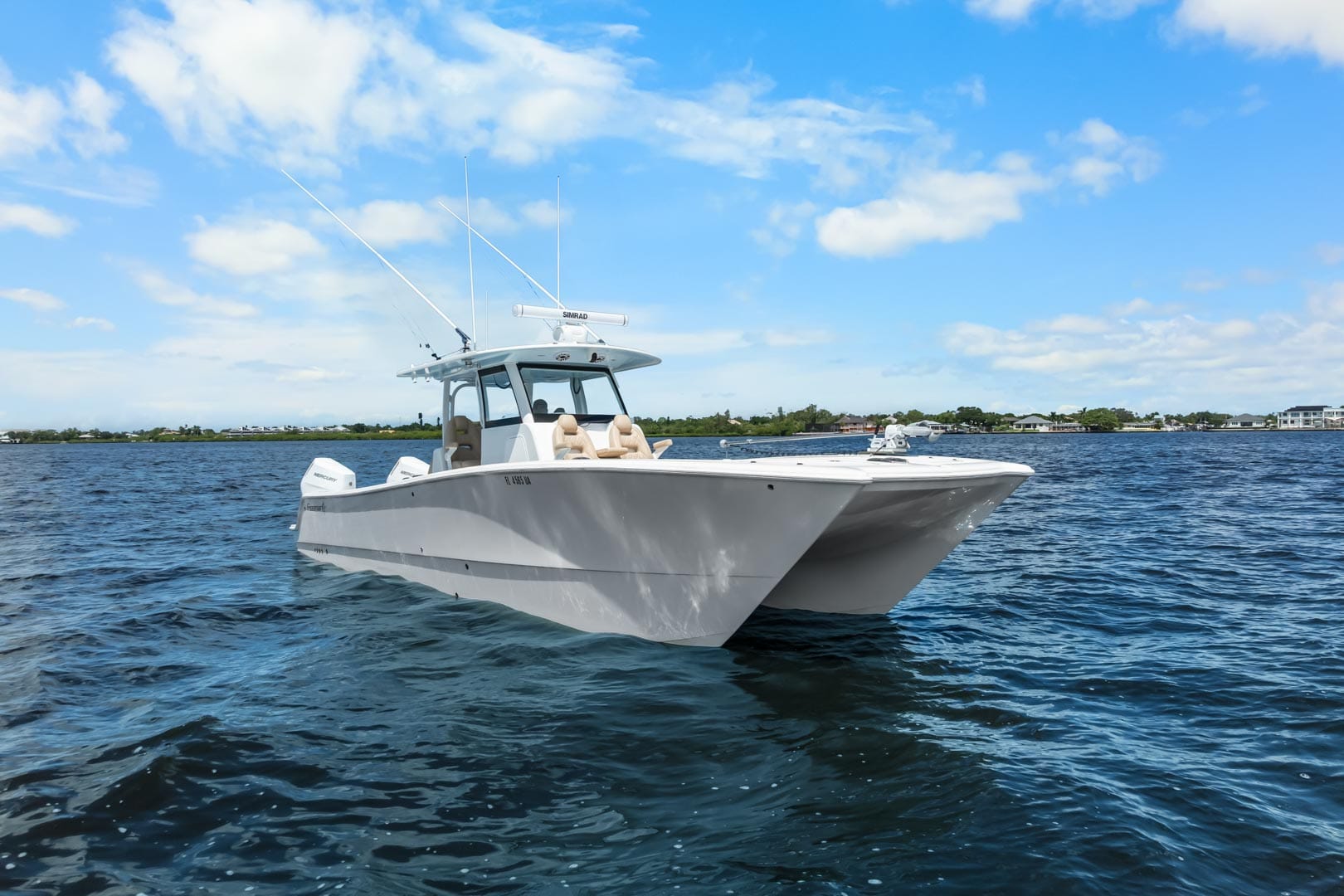
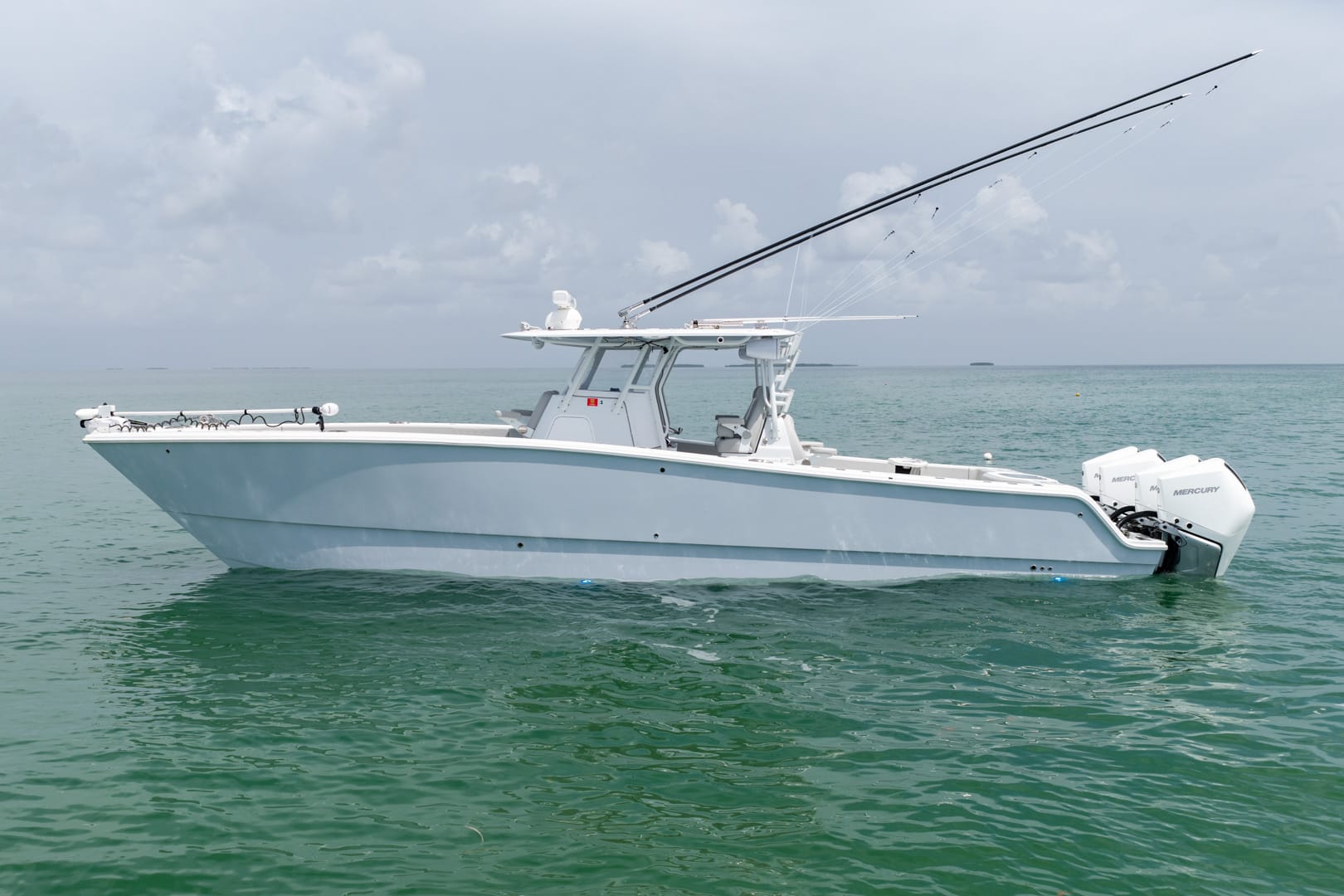
It may already have modern outboards, current-generation electronics, joystick docking, a Seakeeper, upgraded audio, underwater lighting, and other equipment a buyer would order on a new model today.
Someone else, however, already paid the original purchase price and absorbed some of the boat's early depreciation.
For buyers who don't care about choosing every upholstery color or option from the factory, that can make a late-model used boat extremely attractive.
The Pandemic Created a Huge Pool of Used Boats
The unusual boating market of the early 2020s is also feeding today's used inventory.
During the pandemic, recreational boating attracted a wave of new customers. Boats were difficult to find, dealer inventory disappeared, and some buyers were willing to pay extraordinary prices simply to get on the water.
Several years later, the market looks very different.
Some of those owners have moved into larger boats. Others discovered they weren't using their boats enough to justify ownership. Some simply moved on to something else.
The result is a steady supply of relatively young boats returning to the brokerage and dealer market.
Buyers Have Choices Again
One of the biggest differences between today's market and the peak of the boating boom is negotiating power.
When dealers had waiting lists and very little inventory, buyers had limited leverage. If someone didn't want to pay the asking price, another customer often would.
Used-boat shoppers today can compare similar boats across multiple dealers, brokerages, and private sellers.
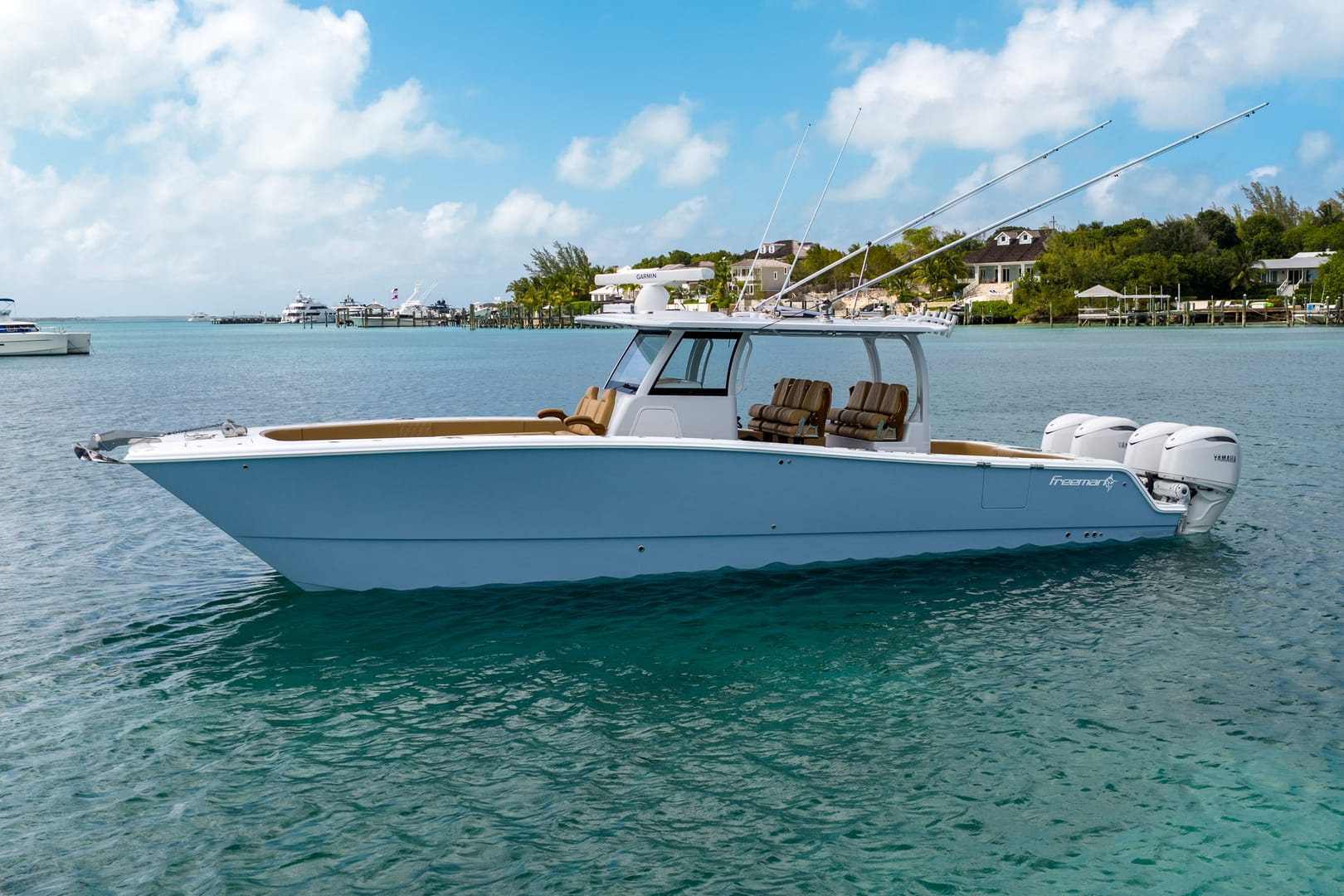
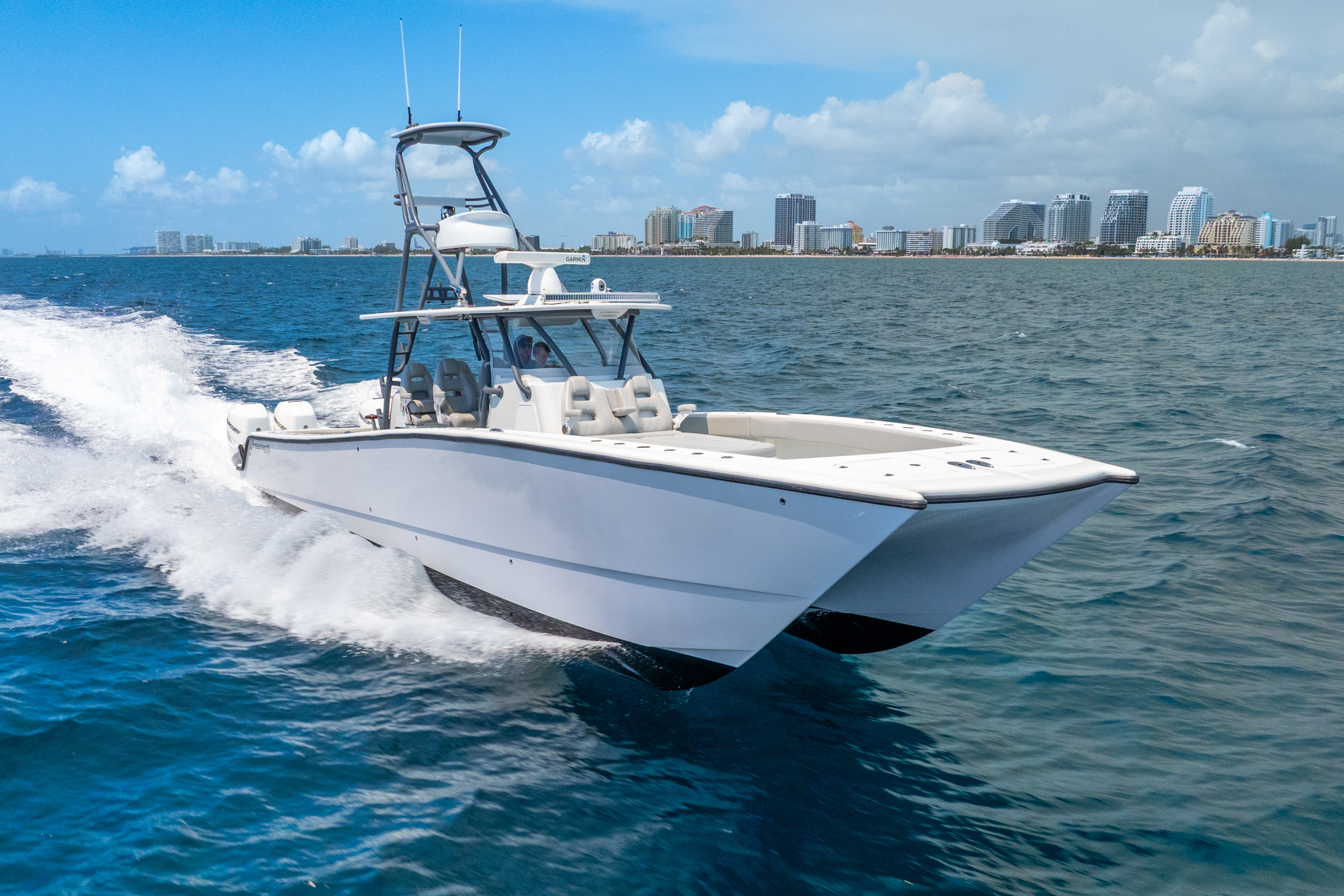
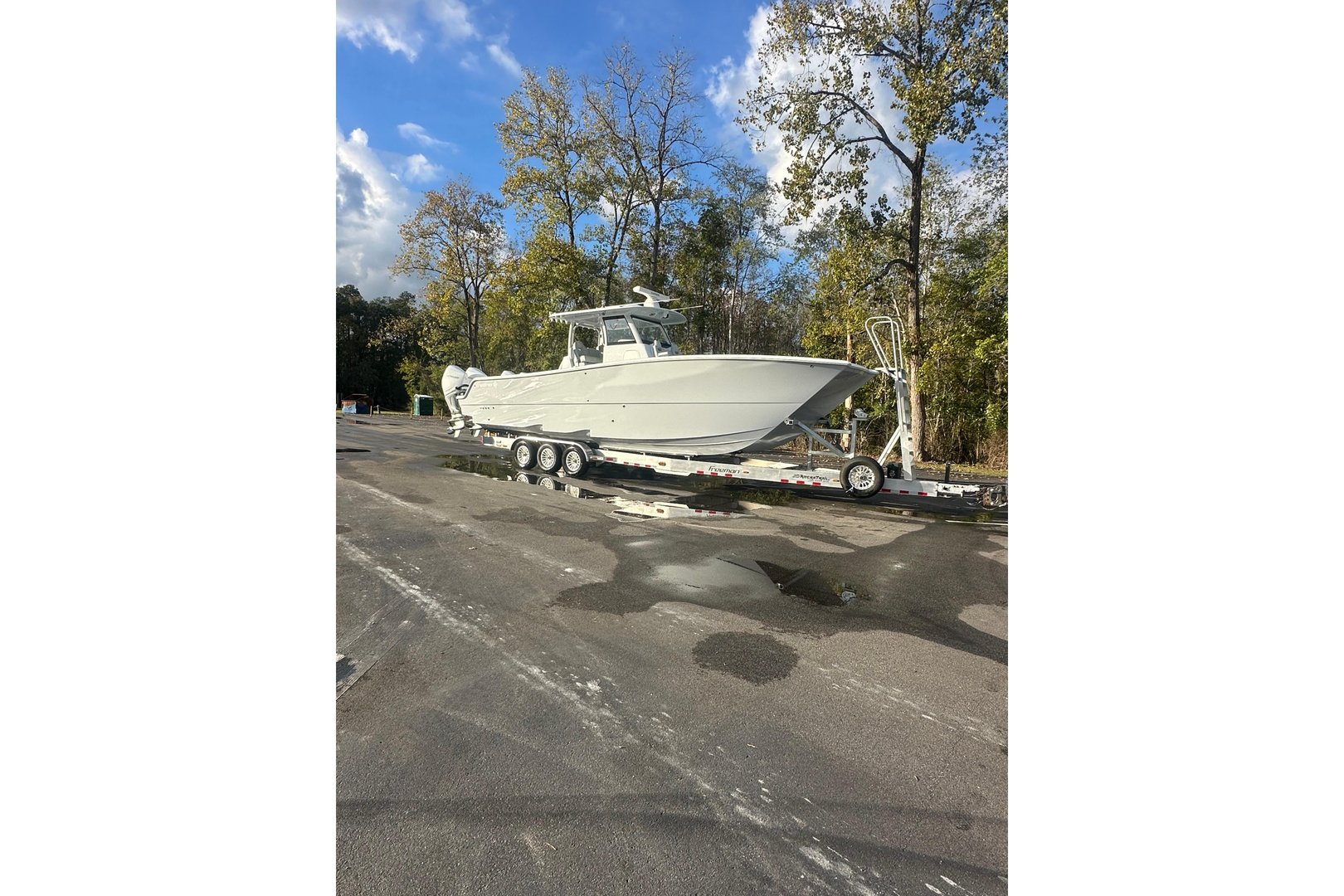
A buyer looking for a popular 30- to 40-foot center console may find several examples of the same model for sale at once, each with different engine hours, equipment, condition, location, and asking price.
That competition gives informed buyers significantly more room to shop around.
Interest Rates Changed the Equation
Financing also matters.
Boats are expensive discretionary purchases, and many buyers finance at least part of the transaction. When borrowing costs rise, the monthly payment on a large new boat can change considerably.
That makes the lower purchase price of a used boat even more meaningful.
Instead of stretching into a brand-new model, some buyers can purchase a higher-end used boat, put more money down, or simply reduce the amount they need to finance.
Depreciation Can Work in the Buyer's Favor
Boats generally lose value as they age, although depreciation varies dramatically depending on the manufacturer, model, condition, engine hours, equipment, and market demand.
For the original owner, depreciation isn't particularly exciting.
For the second owner, it can be an opportunity.
The first buyer may have spent heavily on electronics, ceramic coating, upgraded upholstery, a premium sound system, fishing equipment, stabilization, or other options that don't necessarily return their full original cost when the boat is sold.
A used buyer can effectively acquire some of those upgrades at a fraction of what they originally cost.
But Not Every Used Boat Is a Bargain
None of this means buyers should automatically choose used.
A poorly maintained boat can erase the savings very quickly.
Engines, generators, air-conditioning systems, electronics, batteries, pumps, upholstery, teak, and other equipment can become expensive when multiple problems appear at once.
That's why condition matters enormously in the used market.
Maintenance records, engine hours, storage history, previous damage, service history, and a proper marine survey can be far more important than simply finding the lowest asking price.
The Best Used Boats Can Still Sell Fast
A softer market doesn't mean every seller is desperate.
Certain boats remain highly desirable, particularly clean late-model examples from respected manufacturers with good specifications and documented maintenance.
A well-kept boat with desirable engines, the right electronics, popular options, and professional presentation can still attract serious buyers quickly.
Meanwhile, an almost identical boat with poor photographs, questionable maintenance, outdated equipment, or an unrealistic asking price may sit on the market for months.
The used market increasingly rewards quality.
New Boats Still Have Major Advantages
There are plenty of reasons buyers continue purchasing new boats.
Factory warranties provide peace of mind. Buyers can choose their preferred colors, electronics, engines, upholstery, layouts, and options. There is no unknown ownership history, and everything starts with zero or near-zero hours.
New models may also introduce hull improvements, more efficient propulsion, updated technology, or layouts that simply aren't available on older boats.
For someone planning to keep a boat for many years, those benefits can easily justify the additional cost.
Used vs. New Depends on the Buyer
The real question isn't whether used boats are better than new boats.
It's what the individual buyer values most.
Someone who wants the latest model, a full warranty, and complete control over the specification may happily pay more for a new boat.
Someone primarily interested in getting the most boat for their money may find far greater value in a lightly used example.
And in 2026, there are a lot of those boats to choose from.
Presentation Matters More in a Competitive Market
The growth of used inventory also changes how boats need to be sold.
Buyers can move between dozens of listings in minutes. When multiple examples of the same model are available, the listing itself becomes part of the competition.
Professional photography, drone imagery, detailed video, accurate specifications, and strong digital marketing can determine which boat gets attention first.
Price will always matter, but when buyers have choices, presentation becomes increasingly important.
Final Thoughts
Used boats dominate the market for a reason.
New boat prices remain high, financing has become more important, and today's pre-owned inventory includes thousands of relatively modern boats with technology and equipment that still feel current.
That doesn't mean the new-boat market is disappearing. It means buyers have regained something they didn't have during the height of the boating boom: options.
For someone shopping in 2026, a well-maintained late-model boat at the right price can offer an enormous amount of value. And with pre-owned boats accounting for the majority of transactions, plenty of buyers have already reached the same conclusion.