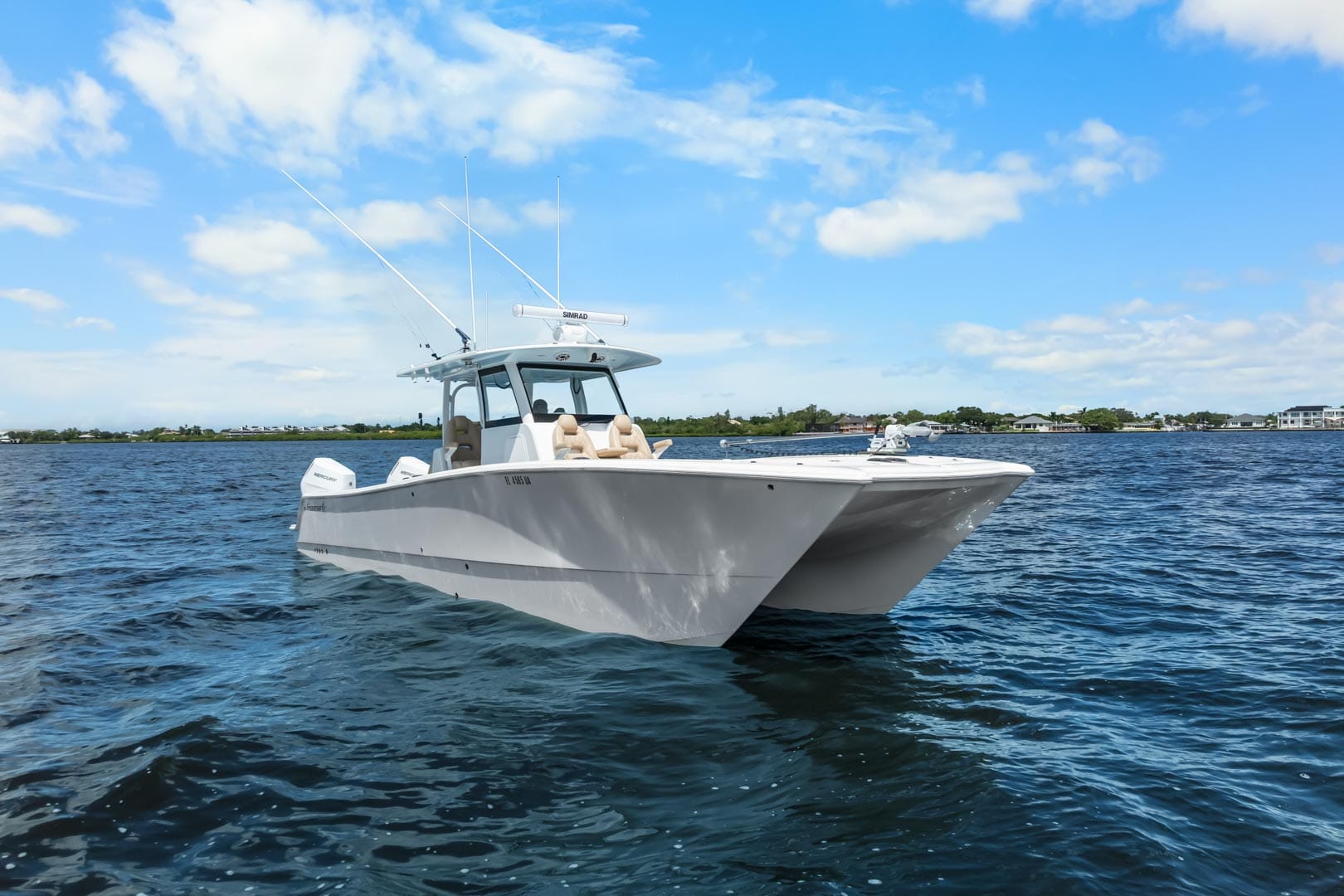
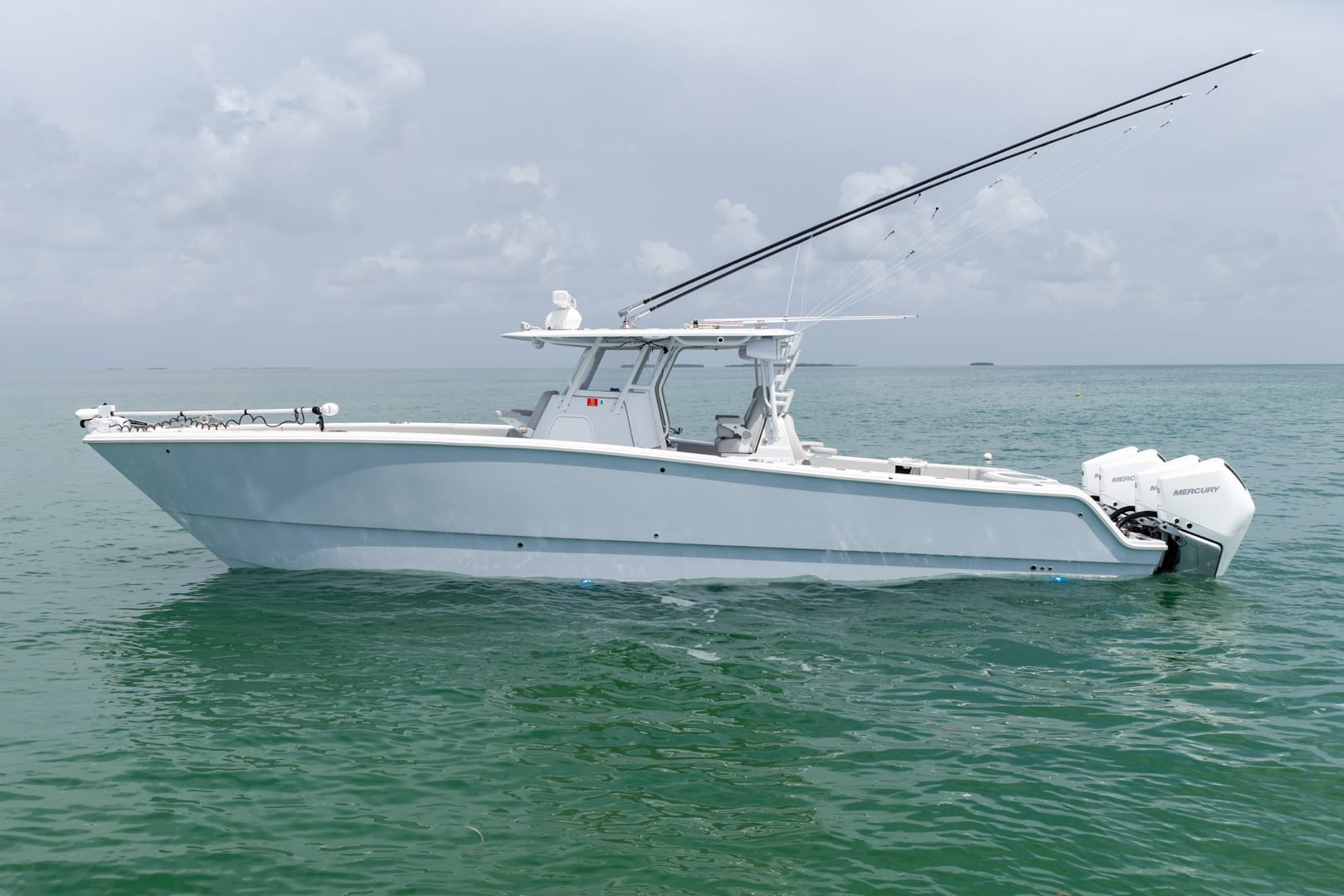
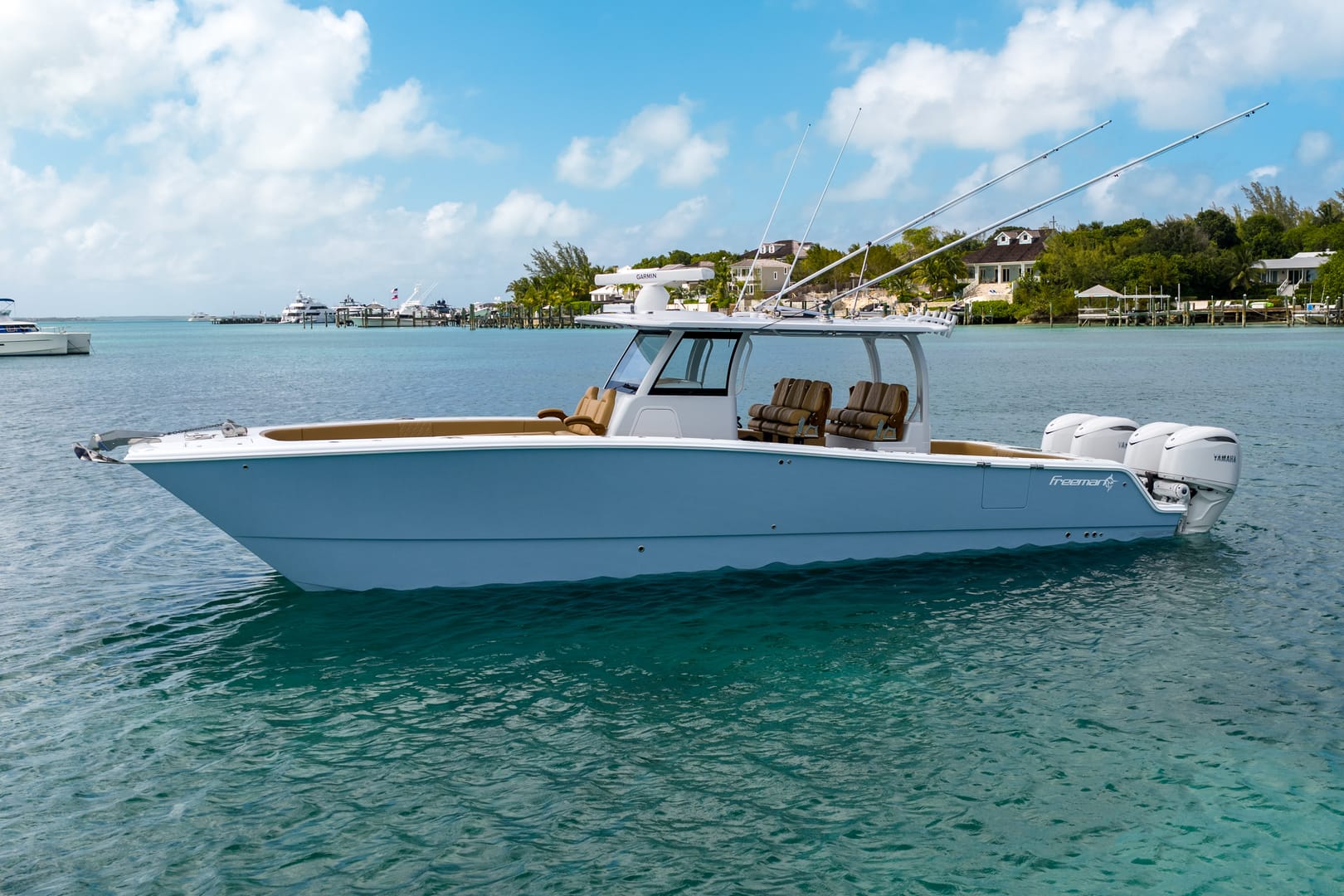
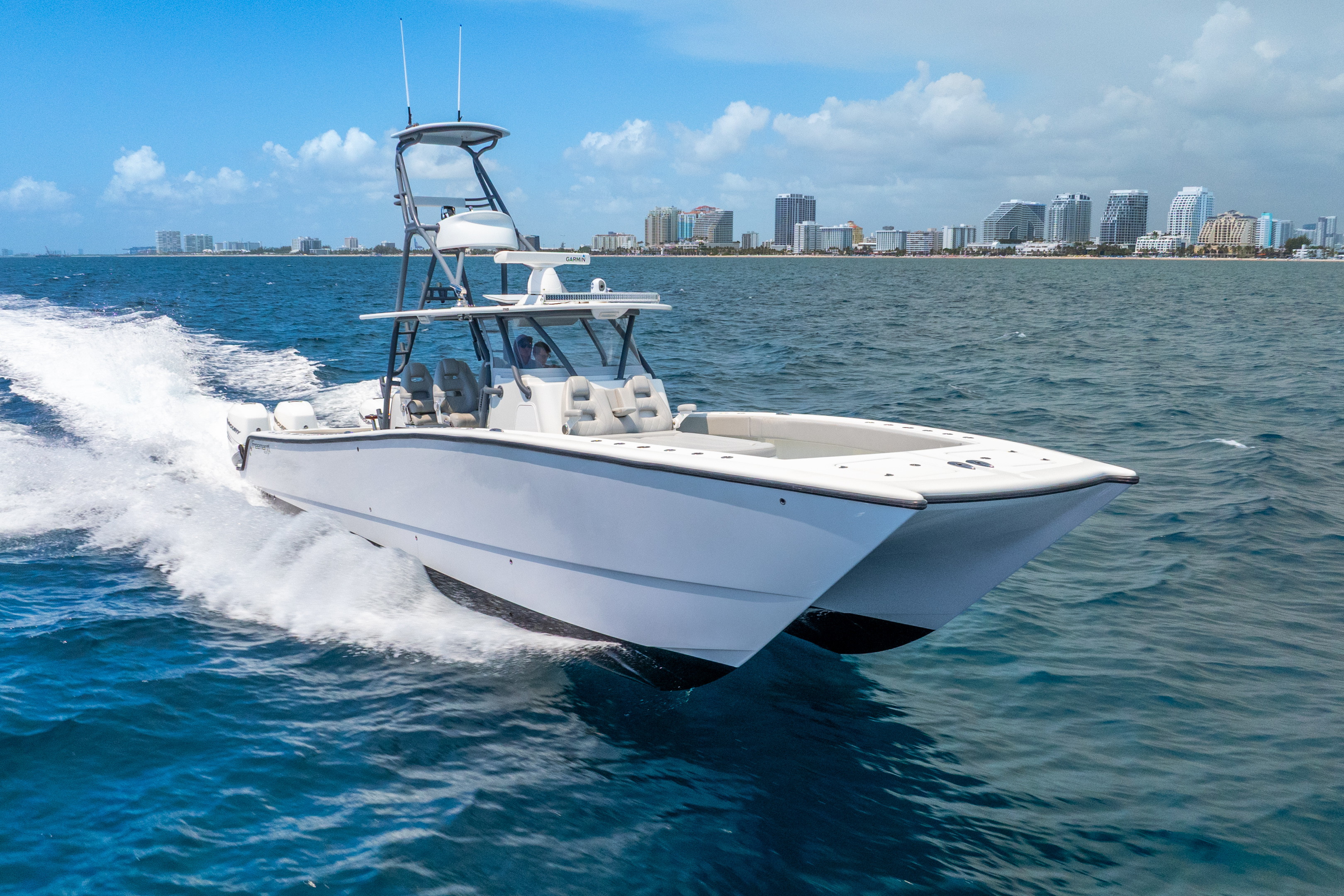
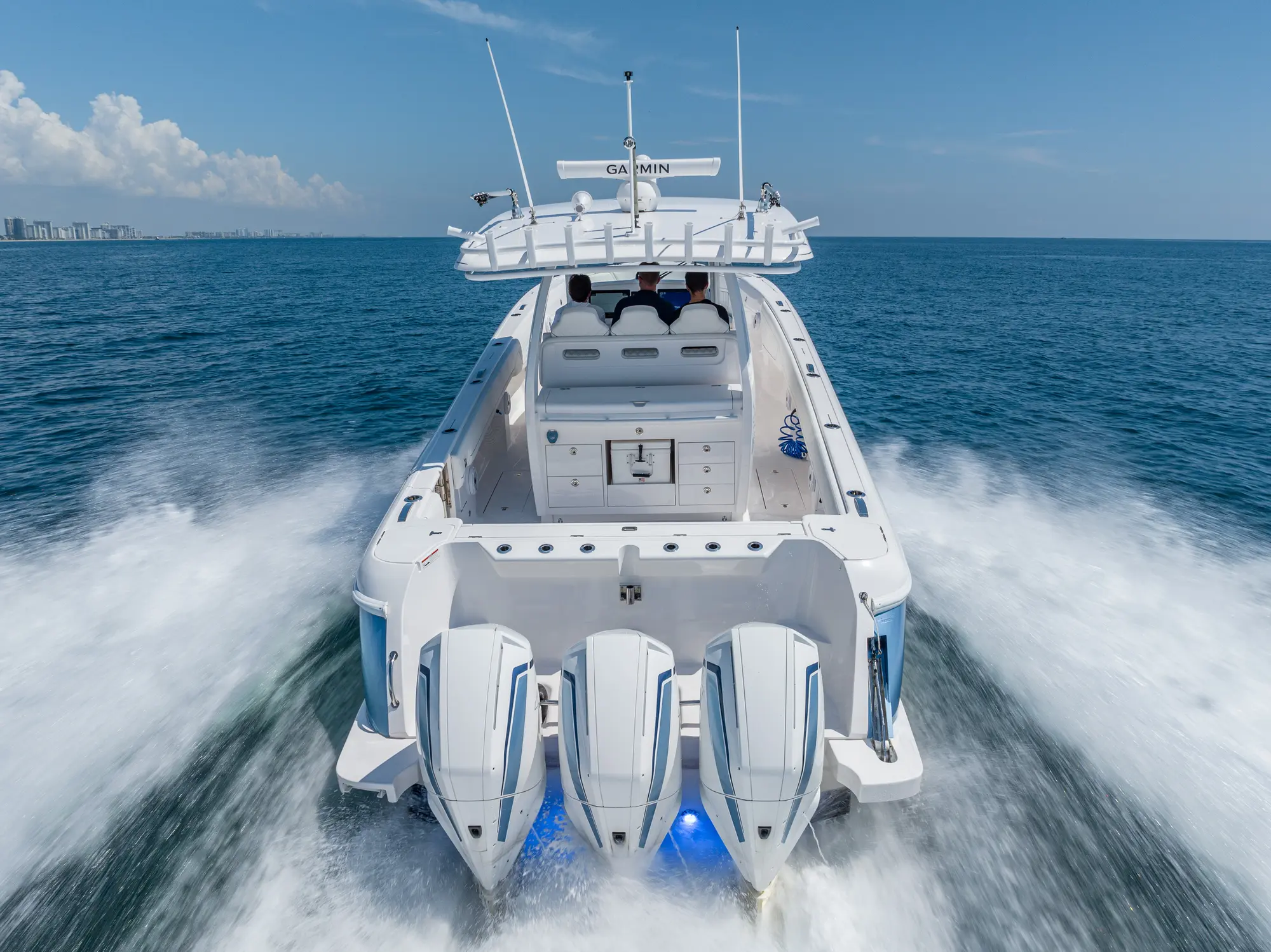
Owning a 30-foot boat can cost anywhere from $10,000 to $25,000 or more per year, excluding financing and depreciation. Owners who keep their boats on trailers and use them occasionally may spend considerably less, while those who keep twin-engine center consoles at premium South Florida marinas can easily exceed $30,000 annually.
The purchase price is only the beginning of boat ownership. Between fuel, insurance, dockage, engine maintenance, and unexpected repairs, the recurring expenses can quickly add up.
If you're considering buying a 30-foot boat, here's a realistic breakdown of the expenses you should budget for before making the purchase.
Annual Cost of Owning a 30-Foot Boat
The following table provides illustrative annual ownership budgets for a 30-foot recreational powerboat in the United States.
| Expense | Budget Ownership | Typical Marina-Based Scenario | Higher-Cost Ownership |
|---|---|---|---|
| Dockage or storage | $1,200 | $7,200 | $14,400 |
| Fuel | $2,000 | $5,000 | $10,000 |
| Insurance | $1,000 | $2,000 | $4,000 |
| Routine maintenance | $1,000 | $2,500 | $4,000 |
| Cleaning and detailing | $300 | $1,200 | $2,400 |
| Repair reserve | $1,000 | $2,000 | $4,000 |
| Registration and miscellaneous | $300 | $500 | $800 |
| Total annual budget | $6,800 | $20,400 | $39,600 |
| Monthly equivalent | $567 | $1,700 | $3,300 |
These figures are example budgets rather than measured national averages. Actual ownership costs depend heavily on the boat's age, engine configuration, location, condition, and frequency of use. Financing, depreciation, and major upgrades are not included.
1. Dockage and Storage: $1,200 to $15,000+ Per Year
Where you keep your boat can have a greater impact on annual ownership costs than almost any other expense.
Marinas frequently charge by the foot, meaning a 30-foot boat may cost significantly more to store than a smaller recreational vessel.
For example, consider the following hypothetical monthly marina rates:
| Monthly Rate Per Foot | Monthly Cost for 30 Feet | Annual Cost |
|---|---|---|
| $10 | $300 | $3,600 |
| $20 | $600 | $7,200 |
| $30 | $900 | $10,800 |
| $40 | $1,200 | $14,400 |
| $50 | $1,500 | $18,000 |
Marinas in desirable locations such as Miami, Fort Lauderdale, and the Florida Keys can command premium rates. Electricity, water, taxes, and additional marina services may increase the total cost. Some facilities also charge based on slip size or the boat's actual overall length, including engines and other extensions.
Owners with suitable trailers, tow vehicles, and private storage space can potentially save thousands of dollars annually. Dry stack storage is another option, although not every facility can accommodate a 30-foot boat.
For a closer look at South Florida marina expenses, read our guide on how much a boat slip costs in Miami.
2. Fuel: $2,000 to $10,000+ Per Year
A 30-foot boat equipped with twin outboard engines can consume a substantial amount of gasoline, particularly during offshore fishing trips and long-distance cruising.
Annual fuel expenses depend on how often you use the boat, how fast you travel, and how efficiently the hull and engines operate.
Assume a 30-foot center console averages 25 gallons per hour while cruising, with marina gasoline priced at $4.50 per gallon.
| Annual Cruising Hours | Fuel Consumed | Annual Fuel Cost |
|---|---|---|
| 25 hours | 625 gallons | $2,813 |
| 50 hours | 1,250 gallons | $5,625 |
| 75 hours | 1,875 gallons | $8,438 |
| 100 hours | 2,500 gallons | $11,250 |
| 150 hours | 3,750 gallons | $16,875 |
These calculations assume a constant cruising fuel burn and an example fuel price. Actual engine hours may include considerable time spent idling, fishing, or maneuvering at low speeds, which can reduce average hourly consumption.
For owners who regularly cross from South Florida to the Bahamas, fuel can easily become one of the largest annual expenses.
How Much Does It Cost to Fill Up a 30-Foot Boat?
A 30-foot offshore center console might have a fuel capacity of approximately 150 to 300 gallons, depending on the model.
At $4.50 per gallon, filling an empty 200-gallon fuel tank would cost $900. A 300-gallon tank would cost $1,350.
Of course, most owners refuel before their tanks are completely empty.
Larger boats can cost considerably more to refuel. See our breakdown of how much it costs to fill up a 50-foot boat for comparison.
3. Boat Insurance: $1,000 to $4,000+ Per Year
Insurance for a 30-foot boat can vary dramatically depending on the vessel's value, location, age, horsepower, and intended use.
A relatively inexpensive used boat may cost around $1,000 annually to insure, while a newer high-performance center console worth several hundred thousand dollars may require a substantially higher premium.
Insurance costs are influenced by several factors:
- Insured value of the boat and engines
- Owner's boating experience and claims history
- Maximum speed and total horsepower
- Geographic cruising area
- Hurricane exposure and storm preparation plans
- Storage arrangements and security equipment
- Coverage limits and deductibles
Florida boat owners may face additional insurance costs because of hurricane exposure. Some policies also include separate named-storm deductibles or specific requirements for securing the vessel during severe weather.
Before purchasing a boat, obtain insurance quotes for the exact make, model, year, and engine configuration. Insurance availability and pricing can significantly affect the affordability of a particular vessel.
4. Engine Maintenance: $1,000 to $4,000+ Per Year
Many 30-foot center consoles are equipped with twin outboards, meaning owners must budget for servicing two engines instead of one.
Routine outboard maintenance typically includes engine oil changes, gearcase lubricant replacement, filters, lubrication, inspections, and other manufacturer-specified service items.
For budgeting purposes, assume a routine service costs $500 to $1,000 per engine. A twin-engine boat could therefore cost $1,000 to $2,000 for one service visit.
Owners who accumulate substantial engine hours may require multiple services throughout the year. Larger scheduled services involving additional components can also increase costs.
Beyond the engines themselves, owners should budget for maintaining steering systems, batteries, bilge pumps, freshwater systems, electrical equipment, and other onboard components.
Older boats may require considerably more maintenance than newer vessels, even when their purchase prices are much lower.
When shopping for a used boat, understanding engine condition is particularly important. Read our guide on how many engine hours is a lot for a boat before making a purchase.
5. Cleaning, Detailing, and Bottom Maintenance
Saltwater boats require regular cleaning to prevent corrosion, staining, oxidation, and deterioration of exterior surfaces.
Owners who wash their own boats can keep these expenses relatively low. Professional cleaning and detailing services, however, can add hundreds of dollars to monthly ownership costs.
For example, a professional wash costing $100 every two weeks would total approximately $2,600 per year.
Boats stored in the water may also require periodic hull cleaning, antifouling paint, and haul-outs.
Marine growth on the underwater hull can reduce performance and increase fuel consumption, making bottom maintenance particularly important for boats kept in Florida's warm waters.
The cost and frequency of bottom painting depend on the coating system, water conditions, and how the boat is used.
6. Unexpected Boat Repairs
One of the most commonly underestimated expenses of boat ownership is unexpected repairs.
Even a well-maintained 30-foot boat contains numerous mechanical, electrical, and plumbing components that can eventually fail.
Common repair expenses include:
- Replacement batteries and battery chargers
- Bilge pumps and livewell pumps
- Trim tab and steering system repairs
- Damaged propellers
- Marine electronics and navigation equipment
- Upholstery and canvas replacement
- Corroded electrical connections
- Fuel system repairs
Setting aside $1,000 to $4,000 annually for unexpected repairs can provide a useful starting reserve, although older or more complex boats may require substantially more.
Major engine failures, structural repairs, or complete repowering projects can cost tens of thousands of dollars and should be considered separately from routine annual maintenance.
How Much Does It Cost to Own a 30-Foot Boat Per Month?
For an owner keeping a twin-engine 30-foot center console at a marina, a monthly operating budget of approximately $1,700 might look like this:
| Expense | Monthly Budget |
|---|---|
| Marina slip | $600 |
| Fuel | $417 |
| Insurance | $167 |
| Routine maintenance | $208 |
| Cleaning | $100 |
| Repair reserve | $167 |
| Miscellaneous expenses | $42 |
| Total | Approximately $1,700 |
This is an annualized monthly budget, meaning actual expenses will fluctuate throughout the year. Insurance, engine servicing, and repairs may be paid in larger individual installments rather than monthly payments.
Importantly, this budget assumes the boat is fully paid off.
How Much Does a 30-Foot Boat Cost With Financing?
Financing can significantly increase the monthly cash required to own a boat.
Suppose you purchase a 30-foot center console for $150,000, make a 20% down payment, and finance the remaining $120,000 over 15 years at an illustrative interest rate of 8%.
| Expense | Amount |
|---|---|
| Boat purchase price | $150,000 |
| Down payment | $30,000 |
| Loan amount | $120,000 |
| Monthly loan payment | Approximately $1,147 |
| Monthly operating budget | $1,700 |
| Total monthly cash requirement | $2,847 |
| Total annual cash requirement | $34,164 |
In this example, a $150,000 boat requires approximately $34,000 in annual cash payments and operating expenses, in addition to the initial down payment, applicable taxes, and purchase-related fees.
The loan terms are illustrative and do not represent a current financing offer. Loan principal payments also build equity in the vessel and should not be confused with operating expenses or interest costs.
Is the 10% Rule for Boat Ownership Accurate?
A common rule of thumb suggests that boat owners should budget approximately 10% of a boat's purchase price for annual ownership expenses.
For a $150,000 boat, that would mean $15,000 per year.
While this can provide a rough starting point, it is not particularly reliable for every boat.
A $60,000 used center console may have similar dockage, fuel, and routine maintenance costs to a newer $150,000 boat of the same size. In some cases, the older boat may even cost more to maintain.
Conversely, an expensive new boat stored at the owner's private dock and used infrequently may cost considerably less than 10% of its purchase price annually.
Building a budget based on individual expenses is generally more useful than relying on a percentage of the purchase price.
How Much Does It Cost to Own a 30-Foot Boat in Florida?
Florida offers year-round boating opportunities, but ownership costs can be higher than in regions where boats are used seasonally.
In South Florida, marina demand, hurricane exposure, saltwater corrosion, and frequent boat usage can all contribute to higher annual expenses.
A 30-foot boat kept at a marina in Miami or Fort Lauderdale could require an annual operating budget of $20,000 to $30,000 or more, depending on dockage rates, insurance, and fuel consumption.
Owners who have access to private docks or affordable trailer storage may spend considerably less.
The biggest financial advantage of owning a boat in Florida is the ability to use it throughout the year. However, that also means more engine hours, more frequent maintenance, and potentially higher fuel expenses.
How Much Does a 30-Foot Boat Depreciate?
Depreciation is another important ownership cost, even though it does not appear as a monthly bill.
For example, if you purchase a boat for $150,000 and sell it five years later for $110,000, you have experienced $40,000 in depreciation, equivalent to an average of $8,000 per year.
Combined with a $20,400 annual operating budget, the average annual economic cost of ownership in this example would be $28,400 before financing interest and other expenses.
Actual depreciation depends on the manufacturer, model, condition, engine hours, purchase price, and used boat market.
Buying a well-maintained used boat can potentially reduce depreciation, although older vessels may introduce higher repair expenses.
How to Reduce the Cost of Owning a 30-Foot Boat
Boat ownership will never be inexpensive, but there are several ways to reduce recurring expenses without sacrificing reliability or safety.
- Compare storage options: Trailer storage, dry stack facilities, and less expensive marinas can significantly reduce annual expenses.
- Buy a well-maintained used boat: Avoiding the initial depreciation of a new boat can reduce long-term ownership costs.
- Find an efficient cruising speed: Running at maximum speed regularly can dramatically increase fuel consumption.
- Perform basic cleaning yourself: Washing the boat after each trip can reduce professional detailing expenses.
- Compare insurance quotes: Premiums can vary considerably between marine insurance providers.
- Stay ahead of maintenance: Addressing small problems early can help prevent more expensive repairs.
- Choose equipment carefully: Larger engines and unnecessary accessories can increase both purchase and operating costs.
Frequently Asked Questions
How much does it cost to maintain a 30-foot boat per year?
A reasonable starting budget for routine maintenance and minor repairs is approximately $2,000 to $6,000 per year. Older boats, twin-engine configurations, and vessels with complex onboard systems may require more.
Can you own a 30-foot boat for less than $10,000 per year?
Yes. Owners who store their boats inexpensively, perform basic maintenance themselves, and limit annual usage may keep operating expenses below $10,000. Financing and depreciation would be additional considerations.
What is the biggest expense of owning a boat?
Dockage, fuel, and financing are frequently among the largest expenses. For boats kept at premium marinas, dockage alone can exceed $10,000 annually.
Is owning a boat cheaper than renting one?
Renting is often more economical for people who boat only a few times per year. Ownership becomes more attractive for frequent boaters who value flexibility, convenience, and unrestricted access to their own vessel.
How much should I budget monthly for a 30-foot boat?
A monthly operating budget of $1,000 to $2,500 is a useful starting point for many marina-based ownership scenarios. Premium dockage, frequent offshore trips, financing, and unexpected repairs can push monthly expenses considerably higher.
Is Owning a 30-Foot Boat Worth It?
A 30-foot boat offers enough space and capability for offshore fishing, family cruising, sandbar trips, and island hopping without requiring the operating budget of a large yacht.
However, prospective buyers should understand that purchasing the boat is only one part of the financial commitment.
For someone keeping a twin-engine center console at a marina and using it regularly, budgeting approximately $20,000 per year in operating expenses is a reasonable starting scenario. Financing and depreciation can increase the overall financial commitment substantially.
The best approach is to calculate ownership costs before purchasing the boat, obtain actual insurance and storage quotes, and maintain a financial reserve for unexpected repairs.
That way, you can spend more time enjoying the water and less time worrying about the next bill.