When it's time to sell your boat, one of the biggest decisions you'll face is whether to handle the sale yourself or hire a yacht broker. Both options have advantages, but the right choice depends on your boat's value, your experience, and how much time you're willing to spend managing the process.
Selling a boat privately can save thousands of dollars in brokerage commissions. However, it also means taking responsibility for pricing, advertising, buyer inquiries, showings, negotiations, and paperwork.
Using a yacht broker can simplify the process and provide access to professional marketing and industry connections, but those services come at a cost.
So, is it better to sell a boat privately or through a broker? Here's what boat owners should consider before making a decision.
Selling a Boat Privately vs. Using a Broker: The Main Differences
The biggest difference between a private boat sale and a broker-assisted sale is who manages the transaction.
When selling privately, the owner handles nearly every part of the process. This includes determining an asking price, preparing the boat, creating listings, communicating with buyers, scheduling inspections, and completing the sale.
When working with a yacht broker, many of those responsibilities are handled by a professional who specializes in boat transactions.
Here's how the two approaches compare:
| Factor | Private Boat Sale | Yacht Broker |
|---|---|---|
| Commission | No listing broker commission | Often negotiable; 10% is a common reference point |
| Advertising | Owner manages listings and promotion | Broker typically handles listing distribution |
| Photography | Owner arranges photography | May be included or arranged by broker |
| Buyer inquiries | Owner responds directly | Broker handles initial communication |
| Showings | Owner schedules and conducts | Broker typically coordinates |
| Negotiations | Owner negotiates directly | Broker assists with negotiations |
| Paperwork | Owner coordinates documents and closing | Broker helps coordinate the transaction |
| Time commitment | Generally higher | Generally lower for the seller |
Neither approach guarantees a faster sale or a higher selling price. The outcome depends heavily on the vessel, its condition, the asking price, market demand, and how effectively the boat is marketed.
How Much Does It Cost to Sell a Boat Privately?
One of the biggest attractions of selling a boat privately is avoiding the commission typically charged by a yacht broker.
However, selling without a broker doesn't necessarily mean selling without expenses.
Private sellers may need to pay for online advertisements, professional photography, detailing, repairs, storage, and transaction-related services.
Some boat listing websites charge sellers to advertise their vessels, while others offer free or lower-cost listing options.
Owners may also choose to hire professionals for specific parts of the sale, such as marine photography, documentation assistance, or legal review.
For a relatively inexpensive boat, these costs may be modest compared with a brokerage commission.
For a larger yacht, preparing and marketing the vessel professionally can require a more substantial investment.
How Much Does a Yacht Broker Charge to Sell a Boat?
Yacht broker commissions vary depending on the brokerage agreement, vessel value, location, and transaction.
In the United States, 10% of the final selling price is a commonly cited commission benchmark for many yacht brokerage transactions, although rates and minimum fees can differ.
For example, a 10% commission would amount to:
- $50,000 boat: $5,000 commission
- $100,000 boat: $10,000 commission
- $250,000 boat: $25,000 commission
- $500,000 boat: $50,000 commission
- $1 million yacht: $100,000 commission
These figures are examples rather than fixed industry-wide rates. Actual commissions are determined by the agreement between the seller and the brokerage.
Some brokers also have minimum commission requirements, particularly for lower-priced boats.
Before signing a listing agreement, sellers should understand the commission structure, contract duration, exclusivity terms, marketing responsibilities, and any additional expenses.
The Advantages of Selling a Boat Privately
For owners who understand the boating market and are comfortable managing a sale, selling privately can be an attractive option.
1. You Can Save on Brokerage Commissions
The most obvious advantage is financial.
If you sell a $200,000 boat privately, you may avoid a commission that could otherwise amount to tens of thousands of dollars.
That doesn't necessarily mean you'll receive more money overall. A broker may be able to help negotiate a better price or connect the vessel with buyers you wouldn't otherwise reach.
But eliminating the listing broker's commission can create substantial potential savings.
2. You Have Complete Control Over the Sale
Private sellers determine how their boat is advertised, which inquiries to pursue, when to schedule showings, and how to negotiate offers.
You can update the asking price, change the listing description, or modify your advertising strategy without coordinating every decision through a brokerage.
For owners who prefer to remain closely involved, that flexibility can be valuable.
3. You Know Your Boat Better Than Anyone
Owners often have firsthand knowledge of their vessel's maintenance history, upgrades, performance, and operating characteristics.
That can be useful when answering detailed buyer questions.
A knowledgeable owner may be able to explain how the boat has been used, which equipment has been replaced, and what improvements have been made during ownership.
However, it's important to distinguish personal familiarity from an independent assessment of condition. Buyers may still want a professional marine survey.
The Disadvantages of Selling a Boat Privately
While avoiding commission is appealing, private boat sales require more work than many owners initially expect.
1. Finding Serious Buyers Can Be Difficult
Publishing a boat listing doesn't guarantee that qualified buyers will see it.
Owners need to decide where to advertise, how to price the vessel, and how to make their listing competitive against similar boats.
They may also receive inquiries from people who are simply curious, aren't financially prepared to purchase, or have no intention of following through.
Separating serious buyers from casual inquiries can become time-consuming.
2. You Handle Every Showing and Negotiation
Potential buyers may want to inspect the boat, review maintenance records, arrange a survey, or conduct a sea trial.
Coordinating those activities can be challenging, especially if the owner lives far from where the boat is located.
Negotiating directly with buyers can also become uncomfortable when disagreements arise over price, survey findings, or repair requests.
3. Paperwork and Payment Require Careful Attention
Boat sales involve more than exchanging money for keys.
Depending on the vessel and jurisdiction, the transaction may involve title transfers, state registration, federal documentation, lien releases, purchase agreements, tax considerations, and other records.
For larger transactions, sellers may benefit from professional closing or escrow services even when no broker is involved.
Payment security is particularly important. Sellers should independently verify funds and avoid transferring ownership before payment has been properly confirmed.
The Advantages of Selling a Boat Through a Broker
A professional yacht broker can provide services that go beyond simply publishing a listing.
1. Access to Industry Experience and Buyer Networks
Experienced brokers understand the market segments they work in and may already have relationships with buyers, other brokers, dealerships, and marine industry professionals.
Those connections can be particularly useful when selling expensive or specialized vessels.
A broker familiar with a particular manufacturer or yacht category may also have a better understanding of how comparable boats are priced and marketed.
2. Professional Marketing and Listing Distribution
Many yacht brokerages advertise vessels through established listing platforms, their own websites, email campaigns, and professional networks.
Some also invest in professional yacht photography, drone imagery, video walkthroughs, and digital advertising.
These services can improve how a vessel is presented to prospective buyers.
However, marketing quality varies considerably between brokerages. Owners should ask exactly what services are included rather than assuming every broker provides the same level of promotion.
3. Assistance With Negotiations and Closing
Brokers can help manage offers, counteroffers, survey negotiations, sea trials, and the closing process.
They can also coordinate with surveyors, documentation services, lenders, and other parties involved in the transaction.
For owners unfamiliar with yacht sales, that experience can reduce the amount of time and effort required.
It doesn't eliminate the seller's responsibility to review documents and understand the terms of the transaction, but it can make the process more manageable.
The Disadvantages of Using a Yacht Broker
The biggest disadvantage is the commission.
For a high-value yacht, brokerage fees can represent a substantial amount of money.
Owners also give up some direct control over buyer communication and marketing decisions.
Another consideration is the listing agreement itself.
Some brokerage agreements provide exclusive rights to sell the vessel for a specified period. Depending on the contract, a commission may be owed even if the owner finds a buyer independently.
That's why it's important to review the agreement carefully before signing.
Finally, not every broker offers the same level of service. Choosing the wrong brokerage can leave an owner paying for representation without receiving the marketing effort or communication they expected.
Is It Better to Sell a Small Boat Privately?
For smaller recreational boats, private sales often make practical sense.
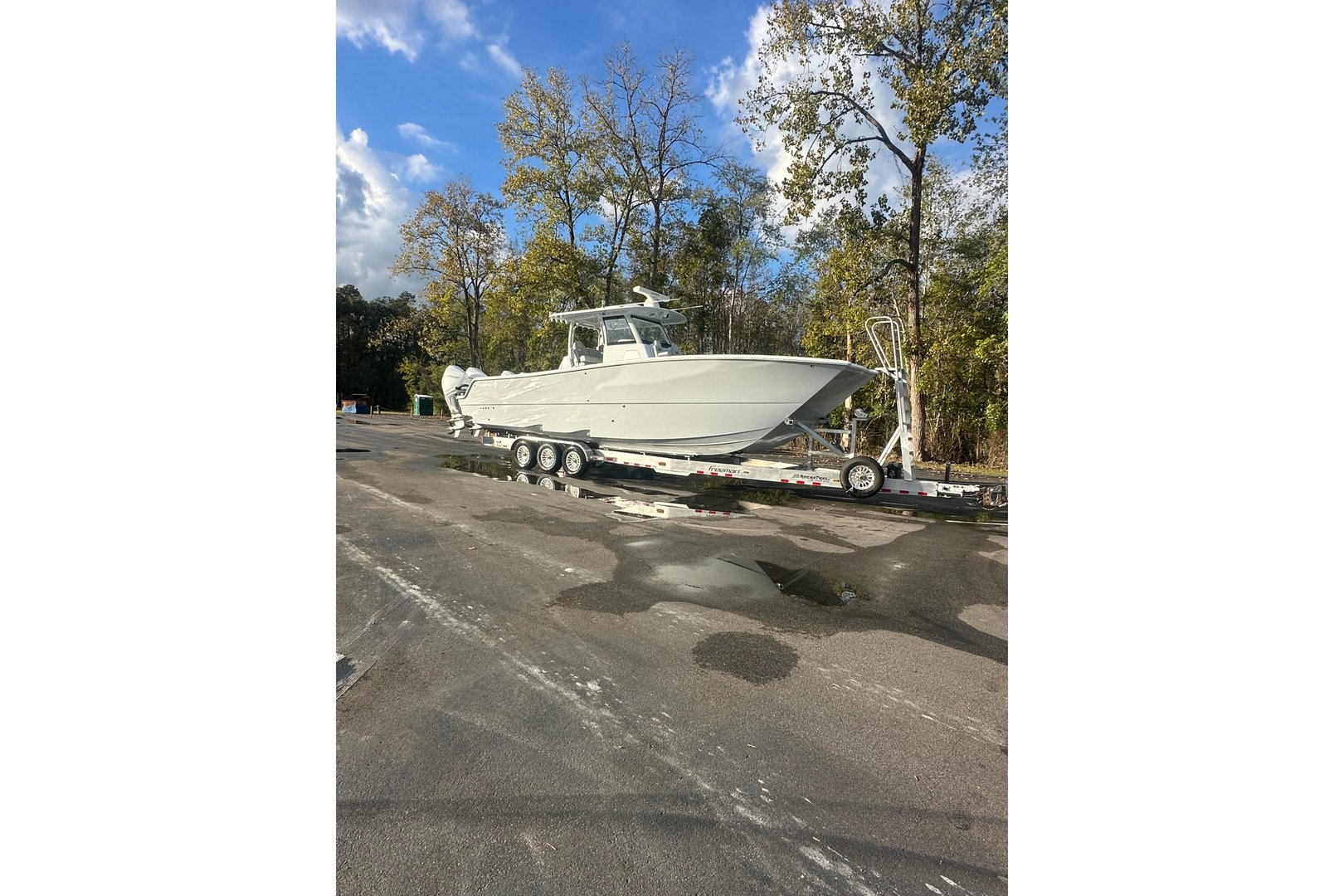
A relatively straightforward transaction involving a used center console, bowrider, pontoon boat, or fishing boat may be manageable without a broker.
Owners can advertise through online marketplaces, respond to inquiries, arrange inspections, and complete the necessary ownership transfer.
Brokerage commissions or minimum fees may also represent a larger percentage of the boat's value at the lower end of the market.
However, owners still need to price the vessel competitively, prepare accurate documentation, and take appropriate precautions when meeting buyers and accepting payment.
Should You Use a Broker to Sell an Expensive Yacht?
As boat values increase, the potential benefits of professional brokerage services often become more significant.
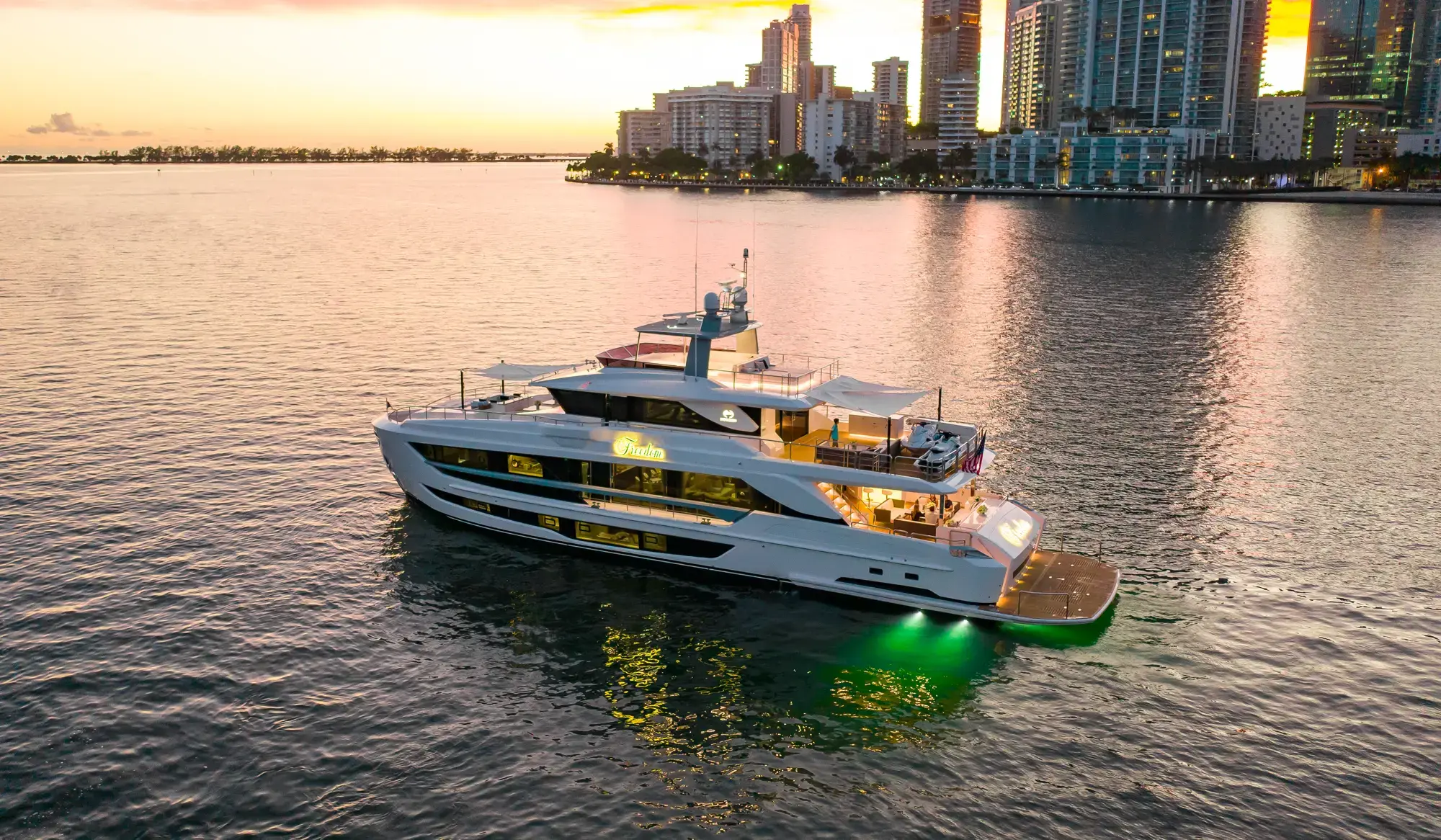
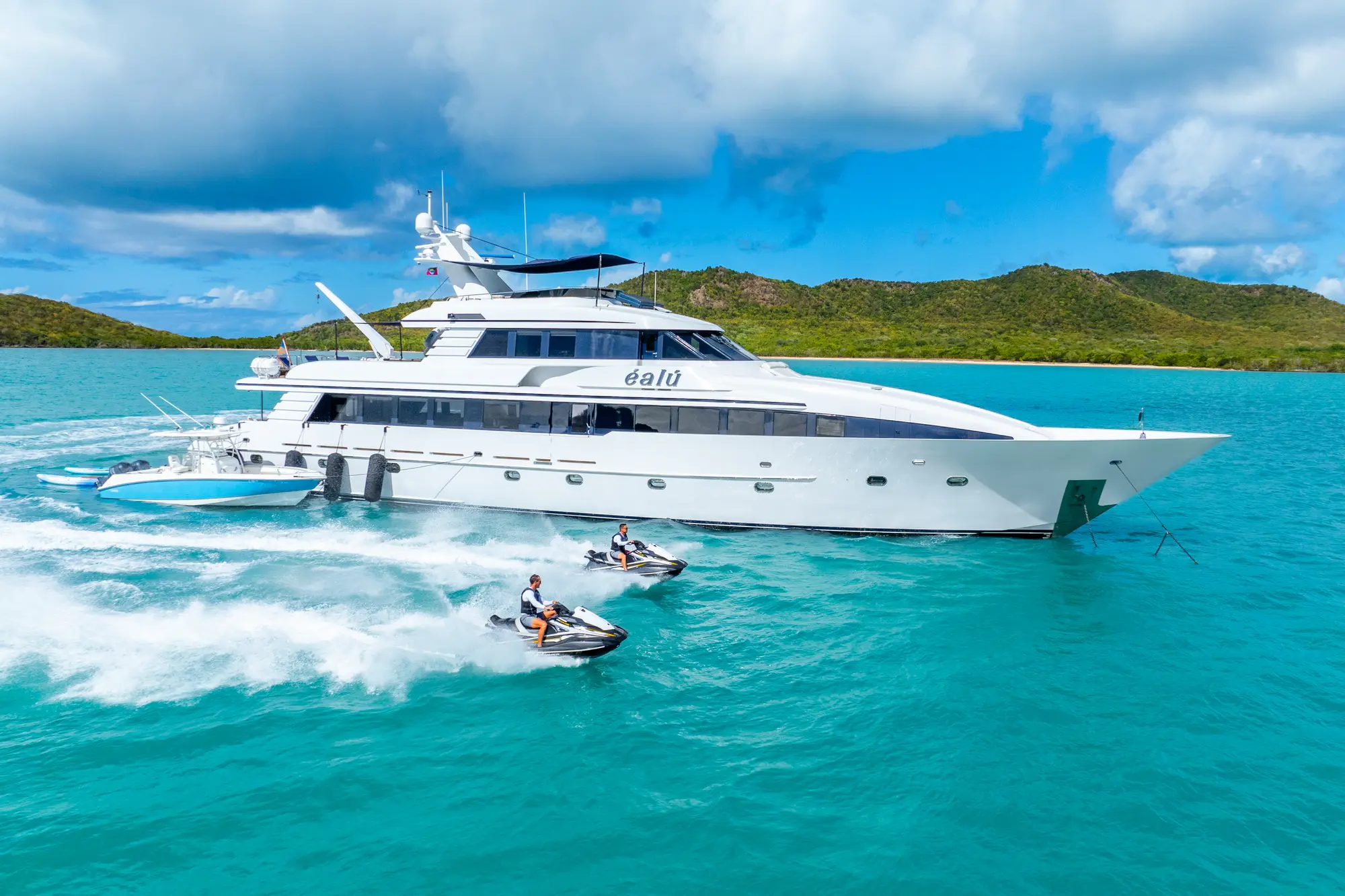
A $1 million motor yacht is generally a more complicated asset to market and sell than a $25,000 recreational boat.
Buyers may expect detailed maintenance records, professional photography, comprehensive specifications, marine surveys, sea trials, and carefully coordinated closing procedures.
Transactions may also involve lenders, multiple brokers, international buyers, or complex ownership structures.
For owners who don't have the time or experience to manage those responsibilities, working with a reputable yacht broker can be worthwhile.
That said, there is no specific price threshold at which using a broker becomes mandatory or automatically better.
An experienced owner may successfully sell a valuable yacht privately, while someone selling a less expensive boat may prefer professional assistance.
How to Sell a Boat Privately Without a Broker
If you decide to sell your boat yourself, preparation is essential.
Step 1: Determine a Competitive Asking Price
Research comparable boats currently listed for sale, paying attention to manufacturer, model, year, condition, engine hours, equipment, and location.
Remember that asking prices aren't necessarily the same as final selling prices.
For higher-value vessels, a professional valuation or access to reliable comparable-sales information may be useful.
Step 2: Prepare the Boat for Sale
Clean the exterior and interior, address obvious maintenance issues, organize service records, and make sure important equipment can be demonstrated.
A well-prepared boat is easier to photograph and inspect.
Buyers should also receive accurate information about known defects or issues, with disclosures handled according to applicable requirements.
Step 3: Take Professional Boat Listing Photos
Photography is one of the most important elements of selling a boat online.
Buyers need clear exterior images, interior photographs, helm details, engine compartment views, and photographs of important equipment.
For larger yachts, drone photography and video walkthroughs can provide additional context.
Professional photography isn't mandatory, but it can help a listing communicate the vessel's condition, layout, and features more effectively.
Step 4: Advertise on Relevant Boat Listing Websites
Choose platforms that reach buyers interested in your type of vessel.
Options may include general online marketplaces, boating-specific listing websites, owner communities, and relevant social media groups.
Platform access, eligibility, and listing fees vary. Some major yacht marketplaces primarily serve professional brokers and dealers.
Include accurate specifications, a detailed description, quality photographs, and clear contact information.
Step 5: Screen Buyers and Arrange Showings
Respond promptly to legitimate inquiries and provide relevant information about the vessel.
For expensive boats, it may be appropriate to establish whether a prospective buyer is financially prepared before arranging extensive inspections or sea trials.
Take reasonable safety precautions when meeting unfamiliar buyers.
Step 6: Use a Written Purchase Agreement
Once you reach an agreement, document the purchase price, deposit arrangements, contingencies, inspection periods, closing requirements, and other relevant terms.
Buyers may request a marine survey and sea trial before completing the purchase.
For substantial transactions, consider using an experienced marine attorney or professional closing service.
Step 7: Complete the Ownership Transfer
Confirm that payment has cleared through an appropriate and independently verified process.
Then complete the required title, registration, documentation, and lien-release procedures.
The exact requirements depend on where the vessel is registered or documented and where the transaction takes place.
Can You Hire a Yacht Broker Just to Help With the Paperwork?
Some owners prefer to find their own buyer but want professional assistance with the transaction.
Depending on the provider and jurisdiction, it may be possible to hire a marine documentation service, closing agent, escrow provider, or attorney to assist with specific tasks.
Some brokerages may also offer limited transaction assistance, although services and fees vary.
This can be a useful middle ground for sellers who are comfortable handling advertising and negotiations but want additional support during closing.
It's important to confirm what the service provider is responsible for and whether any licensing or legal requirements apply.
Can You Sell a Boat Privately and Still Use Professional Marketing?
Absolutely.
One of the biggest misconceptions about private boat sales is that owners must handle every aspect of the marketing themselves.
There's nothing preventing a private seller from hiring a professional photographer, drone operator, or video production company to create listing content.
For owners selling expensive boats, this can be an attractive alternative to relying entirely on smartphone photographs.
Professional exterior photography can highlight the vessel's design and condition, while interior images help buyers understand the accommodations and layout.
Drone imagery can provide useful perspectives of the deck arrangement, and video walkthroughs can help prospective buyers explore the boat remotely.
These services can be purchased independently of brokerage representation.
That allows private sellers to maintain control of the transaction while still presenting their vessel professionally.
Which Option Will Sell Your Boat Faster?
There is no guarantee that a broker will sell a boat faster than a private owner, or vice versa.
The most important factors generally include asking price, condition, market demand, location, seasonality, and exposure to qualified buyers.
A knowledgeable private seller with a desirable, competitively priced boat and a strong listing may generate interest quickly.
A reputable broker with an established buyer network may also be able to identify potential purchasers efficiently.
On the other hand, an overpriced yacht can sit on the market regardless of who is selling it.
Owners should evaluate the complete sales strategy rather than assuming one method automatically produces faster results.
Selling a Boat Privately vs. Broker: Which Should You Choose?
Selling privately may be the better choice if:
- You want to avoid brokerage commissions.
- You understand your boat and its market value.
- You have time to manage inquiries, showings, and negotiations.
- You're comfortable coordinating paperwork and payment.
- You can create or commission professional marketing materials.
Using a yacht broker may be the better choice if:
- You're selling a high-value or specialized vessel.
- You have limited time to manage the sales process.
- You want access to established brokerage networks.
- You prefer professional assistance with negotiations and closing.
- You want someone else coordinating showings, surveys, and sea trials.
Neither option is universally better. The goal is to choose the approach that makes the most sense for your vessel, budget, and circumstances.
Final Thoughts
Selling a boat privately can save a substantial amount in brokerage commissions, especially for higher-value vessels. But those savings come with additional responsibilities, from advertising and buyer communication to negotiations and closing paperwork.
Using a yacht broker can make the process more convenient and provide access to professional experience and industry connections. However, sellers should understand the commission agreement and evaluate the brokerage's actual marketing capabilities before committing.
Whichever route you choose, one thing remains important: your boat needs to be presented professionally to attract serious buyers.
Accurate specifications, competitive pricing, quality photography, and clear communication can all contribute to a stronger listing.
At Boats Daily, we provide professional yacht photography, drone imagery, video production, and marine marketing services for yacht brokers, dealerships, and private boat sellers.
Whether you're working with a broker or selling your boat yourself, professional visual content can help prospective buyers understand what makes your vessel worth considering.