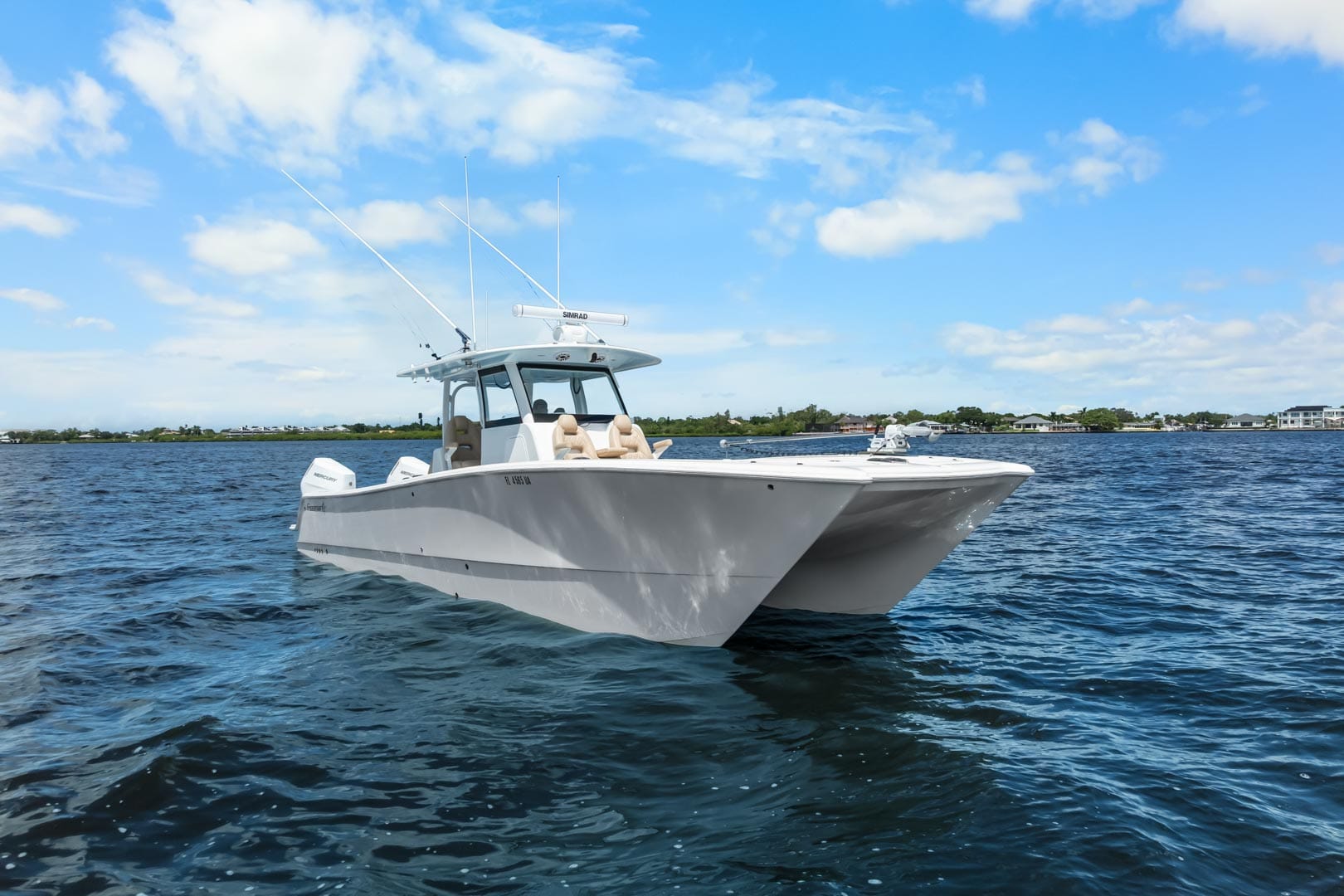
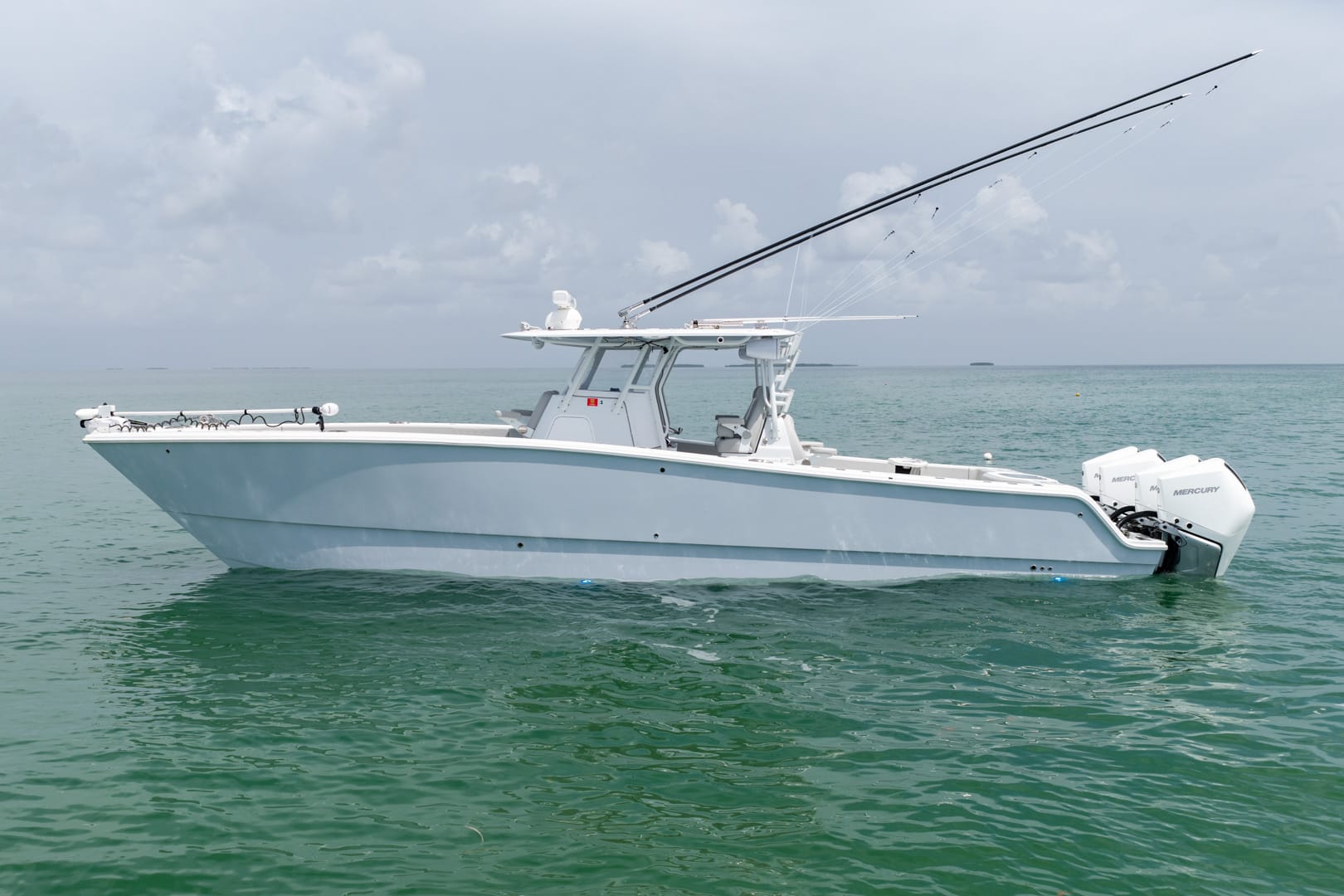
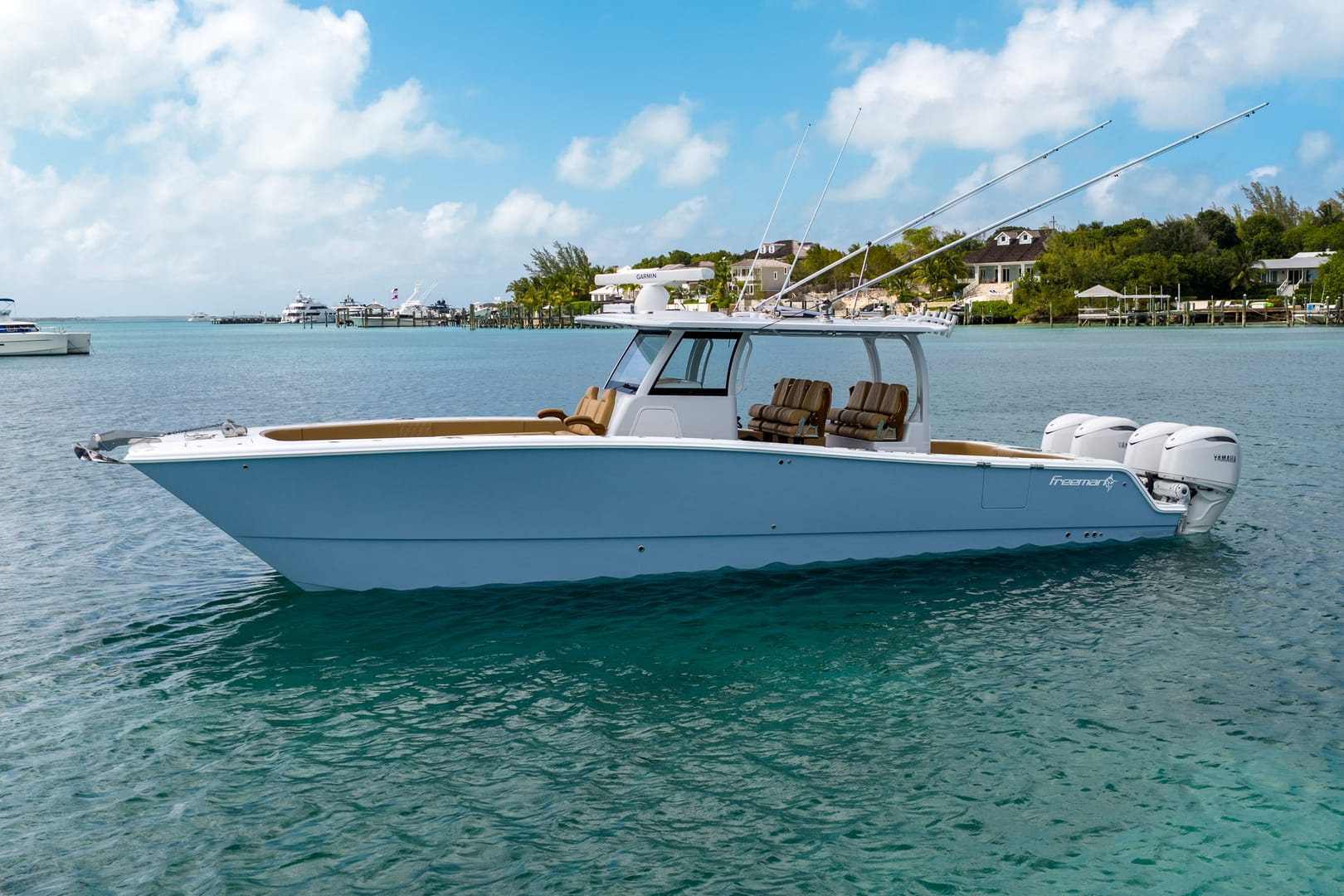
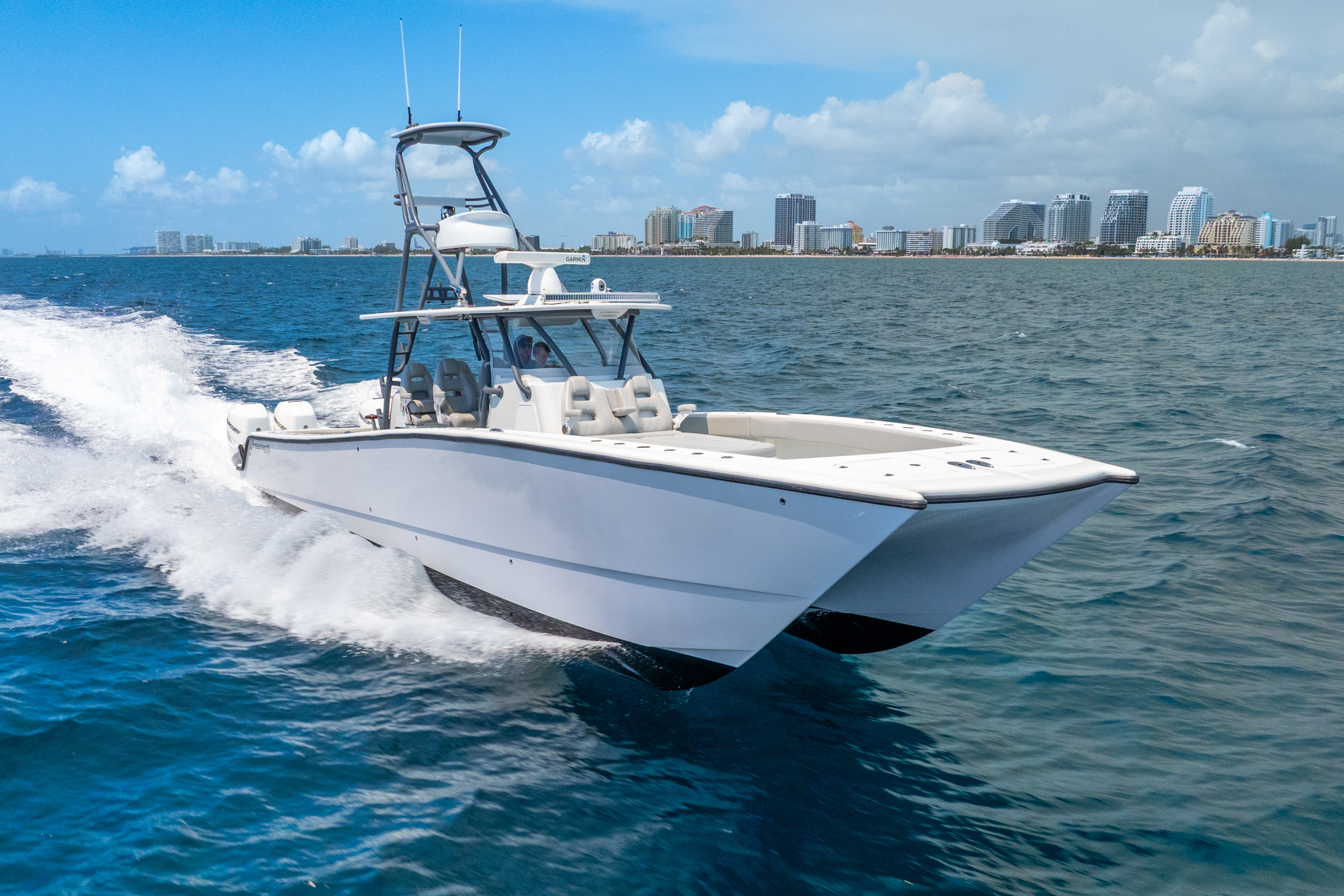
Imagine spending $5 million on a yacht, only to watch it get lifted completely out of the water and placed on the deck of a cargo ship.
It sounds ridiculous.
After all, isn't the entire point of owning a yacht that it can travel across the ocean?
Not necessarily.
Every year, yachts worth millions of dollars are transported between continents aboard specialized ships. Some are brand-new boats heading to their first owners. Others are privately owned yachts moving between the Mediterranean, Caribbean and United States.
And in many cases, putting a perfectly functional yacht on a much larger ship makes more sense than sailing it across the Atlantic.
Why Not Just Drive the Yacht Across the Ocean?
The Atlantic Ocean is enormous.
A yacht traveling from the Mediterranean to Florida might need to cover several thousand nautical miles, depending on its departure point and route.
For large displacement yachts designed for long-distance cruising, that's entirely achievable.
But not every expensive yacht is built for crossing oceans.
Many luxury motor yachts are designed primarily for coastal cruising. They offer enormous interiors, high speeds, swimming platforms, entertainment areas and powerful engines.
What they don't necessarily offer is enough fuel capacity to cross the Atlantic without stopping.
A 70-foot motor yacht capable of cruising comfortably between Miami and the Bahamas might be completely unsuited to making an independent transatlantic passage.
That doesn't make it a bad yacht.
It simply means it was designed for a different job.
A Yacht Can Be Worth $10 Million and Still Have Limited Range
This is one of the biggest misconceptions about expensive boats.
Price doesn't automatically equal range.
A $10 million performance yacht might have an impressive top speed, beautiful interiors and powerful engines while consuming enormous amounts of fuel.
Meanwhile, a less expensive long-range trawler could travel considerably farther on a single tank.
The difference comes down to hull design, displacement, propulsion and intended use.
Fast planing yachts generally require substantial power to maintain high speeds. Long-range displacement yachts are designed to move through the water much more efficiently at lower speeds.
For a yacht built around Mediterranean island hopping, sacrificing interior space or performance to accommodate transatlantic fuel capacity may make little sense.
That's where yacht transport ships come in.
How Do You Put a Yacht on a Cargo Ship?
{""}
The process is considerably more sophisticated than simply attaching a crane and hoping for the best.
Specialized yacht transport companies use several different methods depending on the vessel and the equipment available.
One method involves lifting the yacht out of the water using heavy-duty cranes.
The yacht is carefully positioned alongside the transport vessel, secured using specially designed lifting equipment and raised onto the cargo deck.
Once aboard, it is placed on supports engineered to distribute its weight safely.
Another method is even more interesting.
Some yacht transport ships can partially submerge themselves.
Some Cargo Ships Literally Sink to Load Yachts
These vessels use a process known as float-on, float-off transportation.
The transport ship takes ballast water into dedicated tanks, lowering its cargo deck beneath the surface.
Yachts can then be maneuvered into position above the submerged deck.
Once everything is aligned and secured, the transport vessel pumps out the ballast water and rises.
The yachts are lifted clear of the ocean as the deck emerges beneath them.
Instead of being hoisted by cranes, the yachts effectively float onto the ship.
It's a remarkable process, especially when several multimillion-dollar vessels are being loaded together.
And it can be particularly useful for yachts that are difficult to lift conventionally.
Why Owners Pay to Ship Perfectly Good Yachts
There are several reasons.
The first is convenience.
A yacht owner spending the summer in the Mediterranean may want the same vessel available in the Caribbean for winter.
Rather than organizing a long ocean crossing, the yacht can be transported while the owner flies directly to the next destination.
The second is wear and tear.
Crossing an ocean under the yacht's own power adds engine hours, generator hours and operational wear.
It also requires fuel, provisions, crew time and potentially additional maintenance afterward.
Shipping the yacht avoids much of that passage-related wear.
The third is risk.
An Atlantic crossing requires appropriate weather planning, vessel capability, crew experience and emergency preparation.
For a yacht never intended to make that journey independently, transporting it aboard a purpose-built ship can be a much more practical option.
Shipping a Yacht Isn't Cheap
Moving a large yacht across the Atlantic can cost tens or hundreds of thousands of dollars, depending on its dimensions, weight, route, season and transport method.
Very large or unusually shaped vessels may cost substantially more.
That sounds outrageous until you consider the alternatives.
A self-powered crossing requires fuel.
It may require additional crew.
It adds wear to engines and machinery.
There may be maintenance before departure and after arrival.
And the yacht might spend weeks traveling instead of being available for its owner's next vacation.
For some owners, the economics of professional transport are surprisingly reasonable.
For others, the deciding factor is simply convenience.
The Yacht Doesn't Just Get Parked on Deck
Once the yacht is aboard, it needs to survive the voyage.
That means properly supporting and securing the vessel.
The transport crew must account for the yacht's weight, center of gravity, hull structure and how the cargo ship will move in heavy seas.
The yacht may be supported by a custom cradle or carefully positioned blocks.
Securing equipment prevents unwanted movement.
Loose exterior equipment must be secured, and systems may need to be prepared for the journey.
This is particularly important because the yacht isn't experiencing the voyage the same way it would while floating independently.
It's now cargo aboard another moving vessel.
What Happens to the Crew?
That depends on the transport arrangement.
In many cases, the yacht's normal crew doesn't remain aboard during the ocean passage.
Instead, the vessel is prepared for shipment and handed over to the transport operator under agreed procedures.
The captain or crew may oversee loading and unloading, while the transport company handles the actual crossing.
The crew can then travel separately to the destination and prepare the yacht for its next season.
Specific arrangements vary, particularly for larger vessels and more complicated shipments.
Brand-New Yachts Get Shipped Too
Private owners aren't the only customers.
Boat manufacturers also use international yacht transport services.
Imagine a European builder selling a new luxury motor yacht to a buyer in Florida.
The vessel might be perfectly capable of cruising around South Florida, the Bahamas and the Caribbean.
But delivering it across the Atlantic under its own power could be impractical or impossible.
Shipping allows the builder to deliver the yacht without accumulating substantial propulsion hours before the owner takes possession.
That matters when somebody has just spent millions on a brand-new vessel.
The same principle applies to boats traveling from American manufacturers to customers overseas.
South Florida Is a Major Destination
Miami, Fort Lauderdale and Palm Beach play major roles in the international yacht market.
South Florida has an enormous concentration of yacht owners, brokerage firms, marinas, shipyards and marine service businesses.
It also provides convenient access to the Bahamas and Caribbean.
As a result, yacht transport between Europe, Florida and Caribbean destinations is an important part of the industry's seasonal logistics.
A yacht might spend summer cruising the French Riviera before being shipped west for a winter season in warmer waters.
That seasonal movement supports an entire network of transport operators, shipping agents, captains, technicians and service providers.
Why Not Just Hire a Delivery Captain?
For yachts capable of making the passage, hiring a professional delivery crew is another option.
A delivery captain and crew can move the vessel without the owner aboard.
That may be attractive when the yacht has sufficient range, appropriate equipment and an operating profile suited to offshore passages.
But it isn't always the cheaper or better solution.
Fuel consumption, crew costs, passage duration, weather exposure and mechanical wear all need to be considered.
A yacht designed for efficient long-distance cruising may be an excellent candidate for delivery under its own power.
A high-performance luxury motor yacht with limited range may not be.
There is no universal answer.
What About Really Big Superyachts?
Here's where things become interesting again.
Many large superyachts are fully capable of crossing oceans independently.
Some have ranges of several thousand nautical miles and are specifically designed for international cruising.
These vessels may routinely reposition between the Mediterranean and Caribbean under their own power.
They already carry professional crews, sophisticated navigation equipment, long-range fuel capacity and systems designed for extended voyages.
For these yachts, ocean crossings are part of normal operation.
Ironically, a much smaller luxury yacht can be more dependent on cargo transportation than a 250-foot superyacht.
Size alone doesn't determine whether a vessel needs to be shipped.
Its design does.
The Hidden Industry Behind Yacht Transportation
Most people never think about yacht transportation because the process happens largely behind the scenes.
They see a beautiful yacht in Monaco during the summer.
A few months later, a similar vessel appears in Fort Lauderdale or St. Barts.
What they don't see is the planning required to move expensive private vessels between continents.
Transport companies coordinate schedules, port arrangements, loading equipment, vessel preparation, insurance and customs documentation.
Captains and yacht managers coordinate with shipyards, marinas and service providers at both ends.
For a yacht owner, the ideal experience is simple.
The yacht disappears from one destination and reappears in another, ready to use.
Making that happen is an entire business.
The Most Expensive Boat Isn't Always the Most Capable
Yacht transportation also reveals something fascinating about modern yacht design.
The most luxurious boat isn't necessarily the one capable of traveling the farthest.
Some owners prioritize speed.
Others want enormous interiors, shallow drafts, huge beach clubs or outdoor entertainment areas.
Long-distance capability may not even be particularly important to the way they use their yacht.
And that's perfectly reasonable.
If somebody spends most of their time cruising between Miami, Bimini and Nassau, there's little reason to design their boat around crossing the Atlantic.
Especially when another ship can handle that journey for them.
Final Thoughts
There's something wonderfully absurd about loading a multimillion-dollar yacht onto a cargo ship.
But the logic is surprisingly straightforward.
Not every yacht is designed to cross oceans. Even those that can may be expensive, time-consuming or inconvenient to reposition under their own power.
Professional yacht transportation allows owners to move their vessels between continents without making every relocation a major expedition.
It saves time, avoids passage-related wear and can make international yacht ownership considerably more practical.
So the next time you see a $5 million motor yacht cruising around South Florida, remember that it might have arrived from Europe without ever crossing the Atlantic under its own power.
Sometimes the easiest way to take a yacht across the ocean is to put it on a bigger boat.