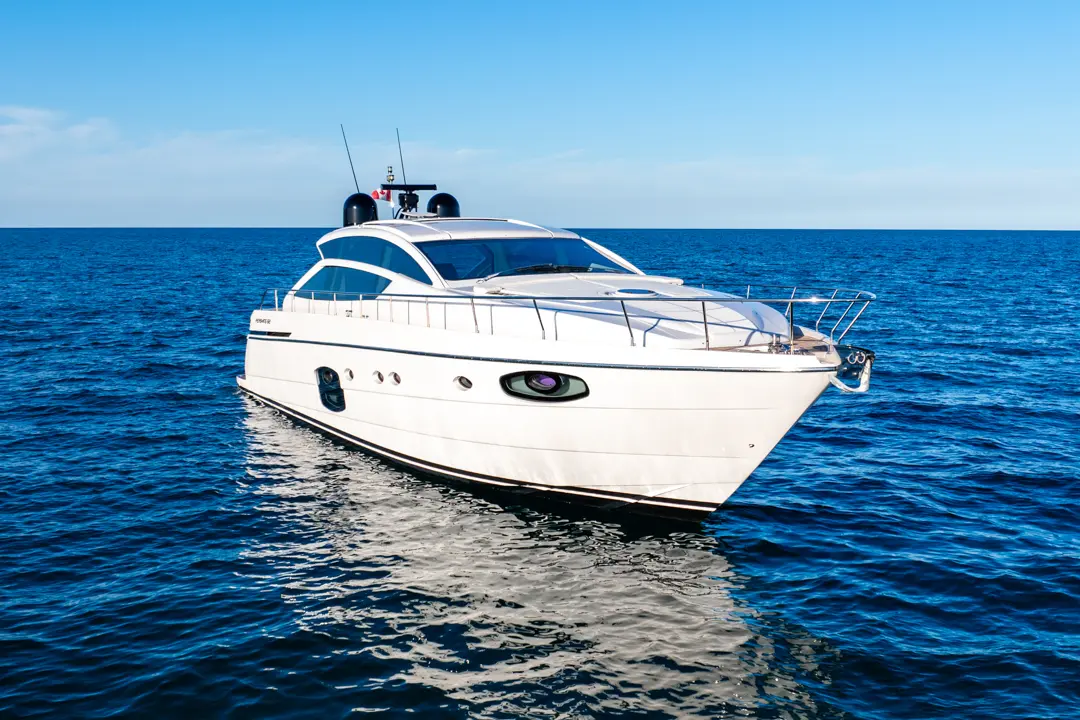
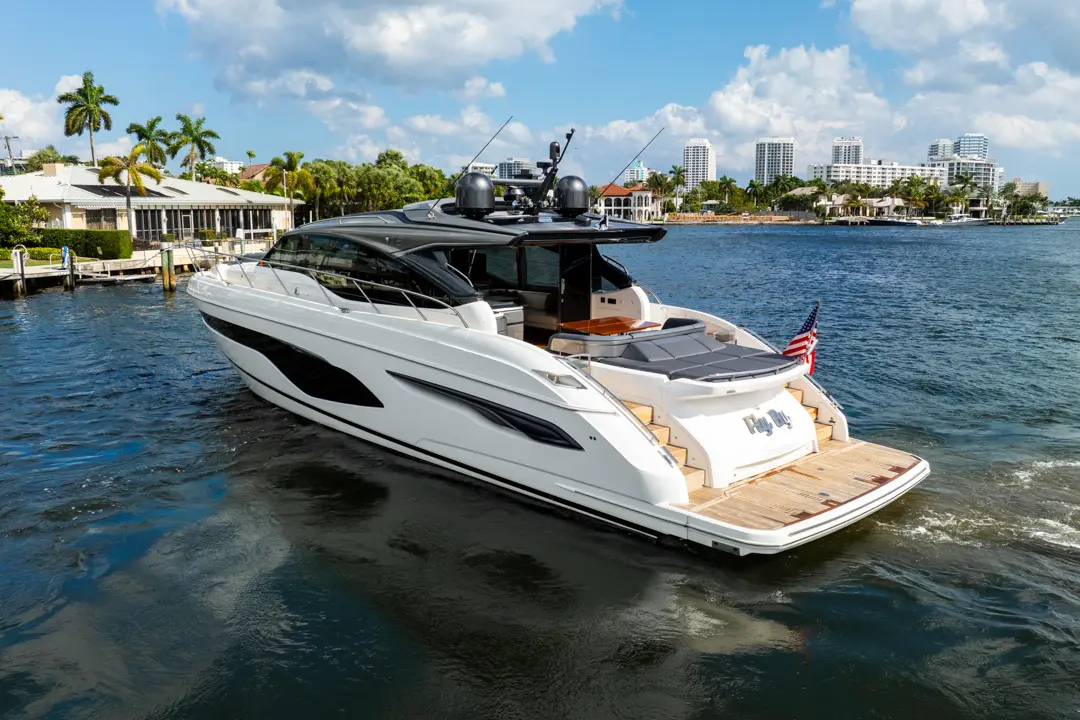
A yacht can be worth $3 million, have impeccable maintenance records, low engine hours, and a beautiful interior. But if the first few photos look like they were taken on a phone in bad lighting, buyers might never discover any of that.
That's the reality of selling boats online.
Before a potential buyer reads the specifications, asks about the engines, or contacts the broker, they're making an almost immediate judgment about the yacht based on what they see.
And in a market where buyers can scroll through dozens of competing listings in minutes, those first few seconds matter more than many sellers realize.
The first 10 seconds might not literally determine whether a yacht sells, but they can determine whether a buyer gives it a serious look in the first place.
The Yacht Sale Starts Long Before the First Showing
There was a time when selling a yacht depended heavily on a broker's personal network, marina connections, and relationships with qualified buyers.
Those relationships still matter enormously. But today, the first interaction between a buyer and a yacht often happens on a screen.
Buyers browse platforms such as YachtWorld, Boat Trader, and brokerage websites, comparing vessels across different locations, manufacturers, and price ranges.
A buyer looking for a 60-foot motor yacht in South Florida might open several listings in the same sitting.
They aren't necessarily reading every description or studying every specification. They're looking for something that catches their attention.
That makes the listing's first impression one of the most important parts of the entire sales process.
Your Main Photo Is Competing Against Every Other Yacht for Sale
Think about what happens when someone searches for a yacht online.
They see a grid of listings, often displaying the vessel's main photograph alongside its price, year, manufacturer, and model.
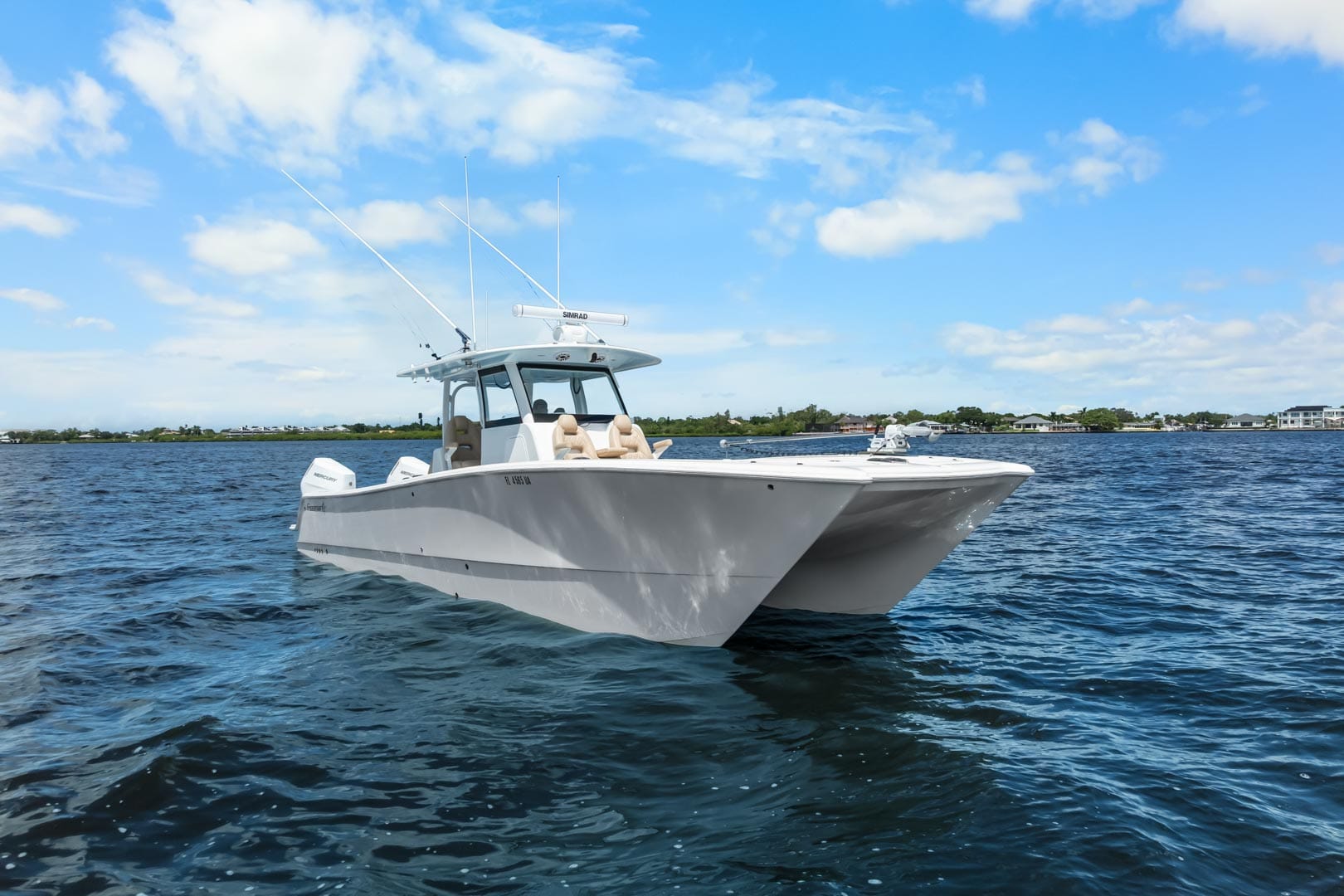
Some photographs immediately stand out. The yacht is properly framed, the lighting is attractive, the background is clean, and the vessel looks impressive.
Others are much less compelling.
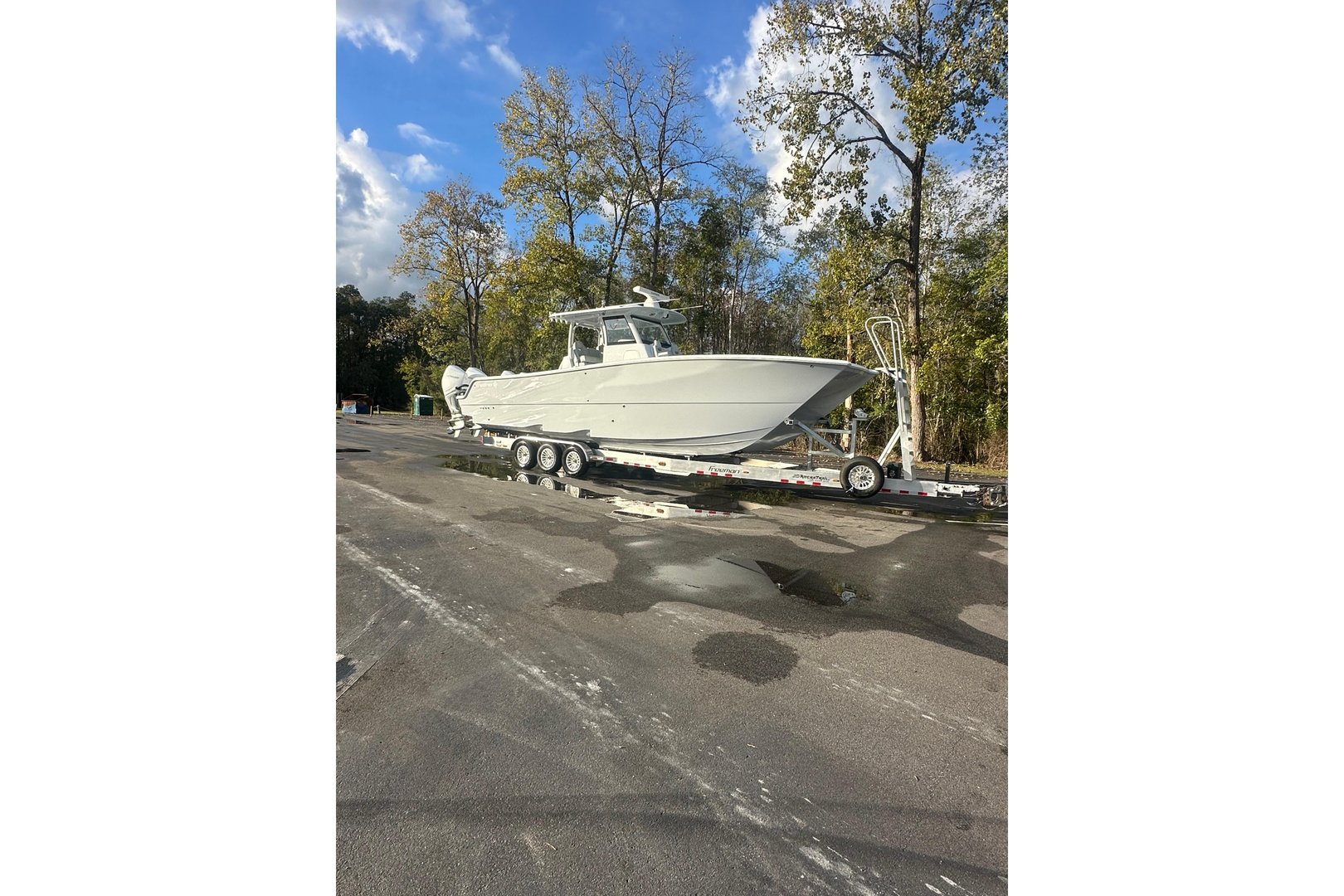
The boat might be photographed from an awkward angle, surrounded by dock clutter, with harsh shadows or distracting objects in the background.
Both yachts could be equally desirable in person. But online, they're not necessarily receiving equal attention.
A professional hero image gives a listing a better opportunity to stand out before a buyer even opens it.
For a yacht worth hundreds of thousands or millions of dollars, that opportunity shouldn't be treated as an afterthought.
Buyers Judge the Entire Yacht From a Handful of Photos
One of the most interesting aspects of yacht marketing is how quickly buyers form impressions about a vessel.
They aren't only evaluating the physical features visible in a photograph. They're also forming assumptions about the overall quality of the yacht.
A bright, carefully composed interior can communicate spaciousness, comfort, and attention to detail.
A poorly lit photograph of the same room might make it appear cramped or dated.
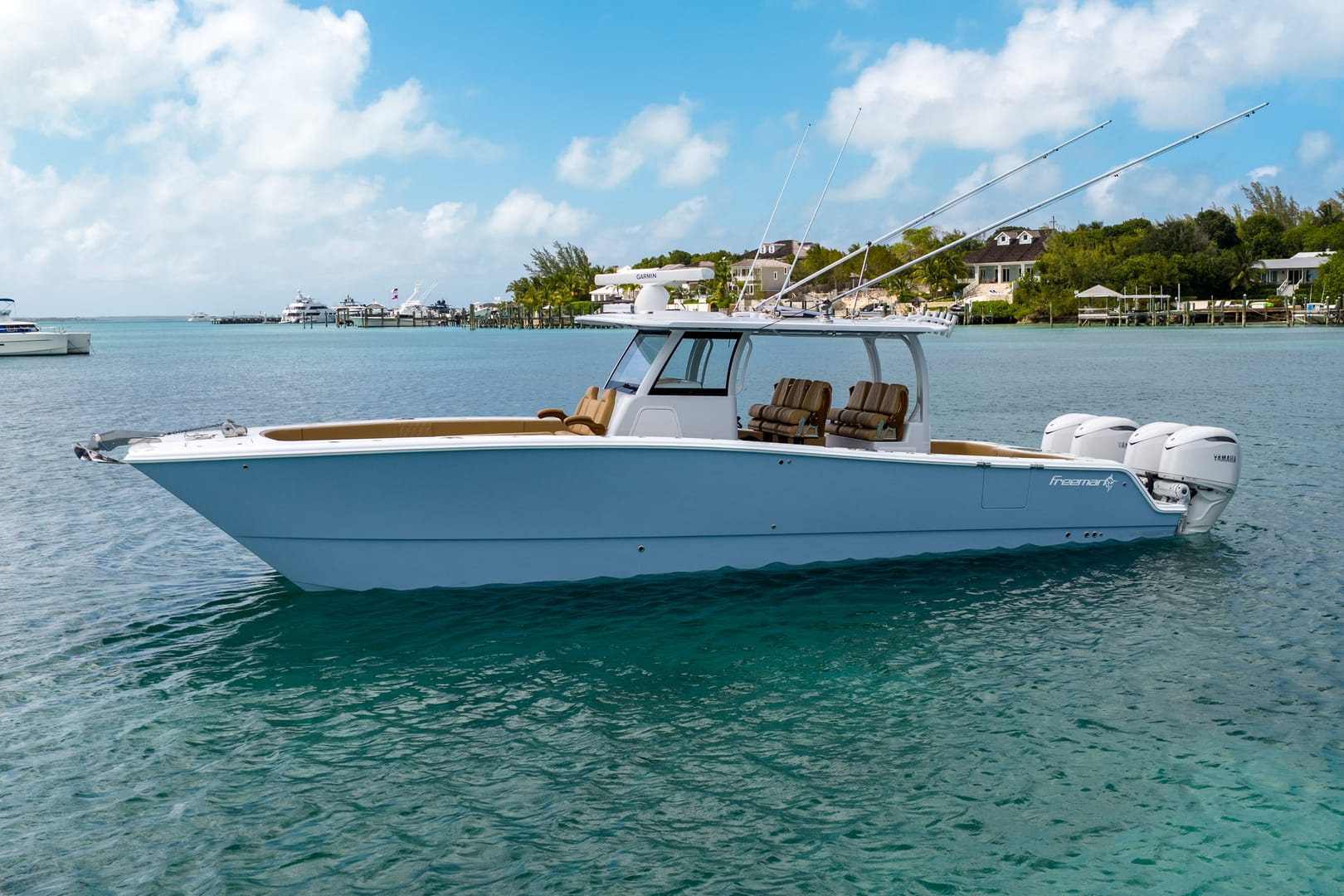
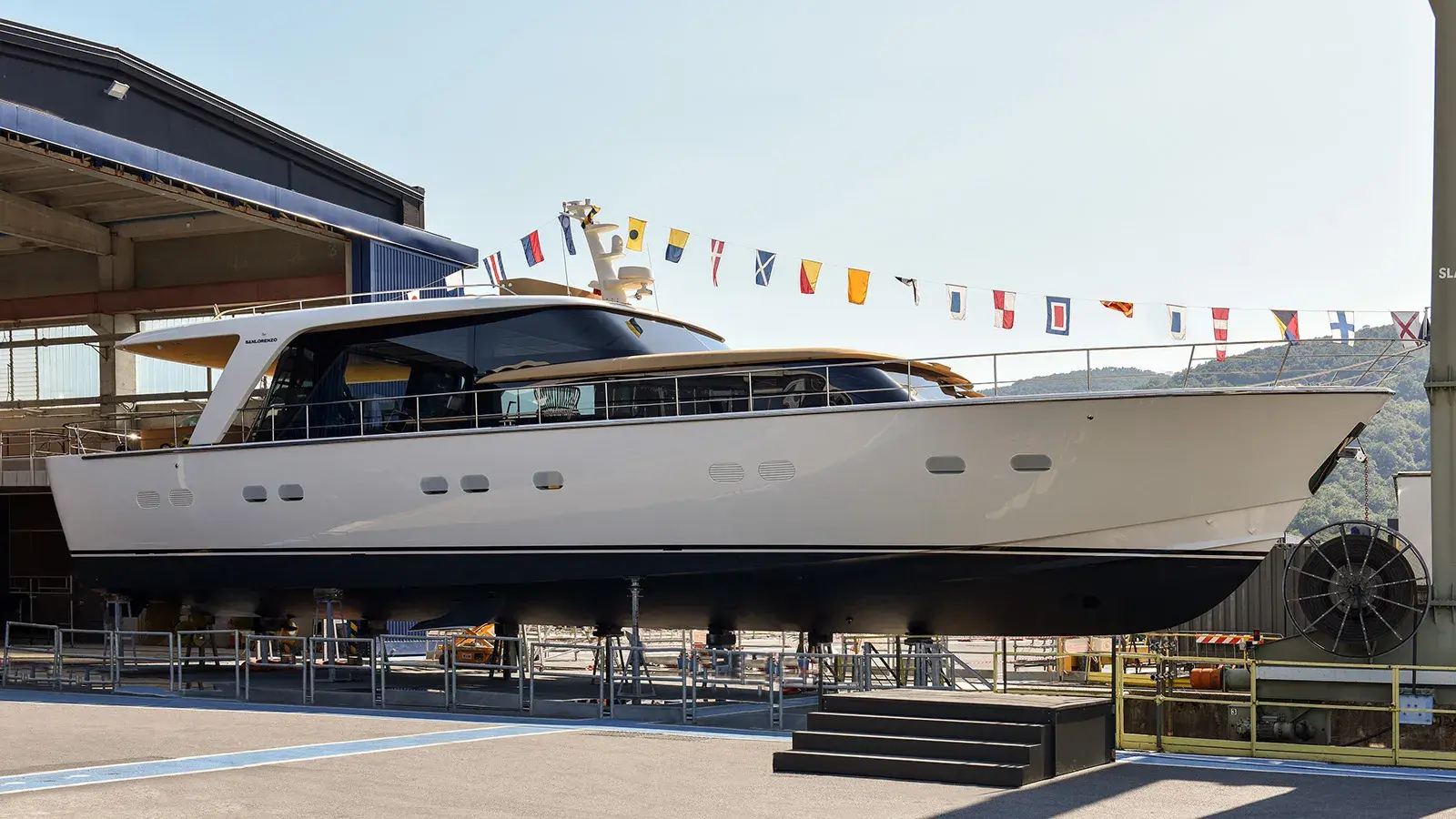
An exterior photograph taken from the right perspective can emphasize a yacht's lines, proportions, and design.
An awkward photograph can make an otherwise attractive boat look ordinary.
The photographs haven't changed the vessel itself. They've changed how effectively its qualities are communicated.
This matters especially in the luxury market, where presentation influences expectations long before a buyer steps aboard.
The First Five Photos Should Tell a Story
One of the biggest mistakes in yacht listings is treating the photo gallery as a random collection of images.
A broker uploads 40 photographs, chooses an exterior shot for the cover, and assumes the job is finished.
But the order of those photographs matters.
A potential buyer scrolling through a listing should quickly understand what makes the vessel desirable.
The opening gallery should establish the yacht's appearance, lifestyle appeal, and most compelling features.
For example, a 70-foot motor yacht might benefit from opening with a striking exterior photograph, followed by the aft deck, salon, flybridge, and owner's stateroom.
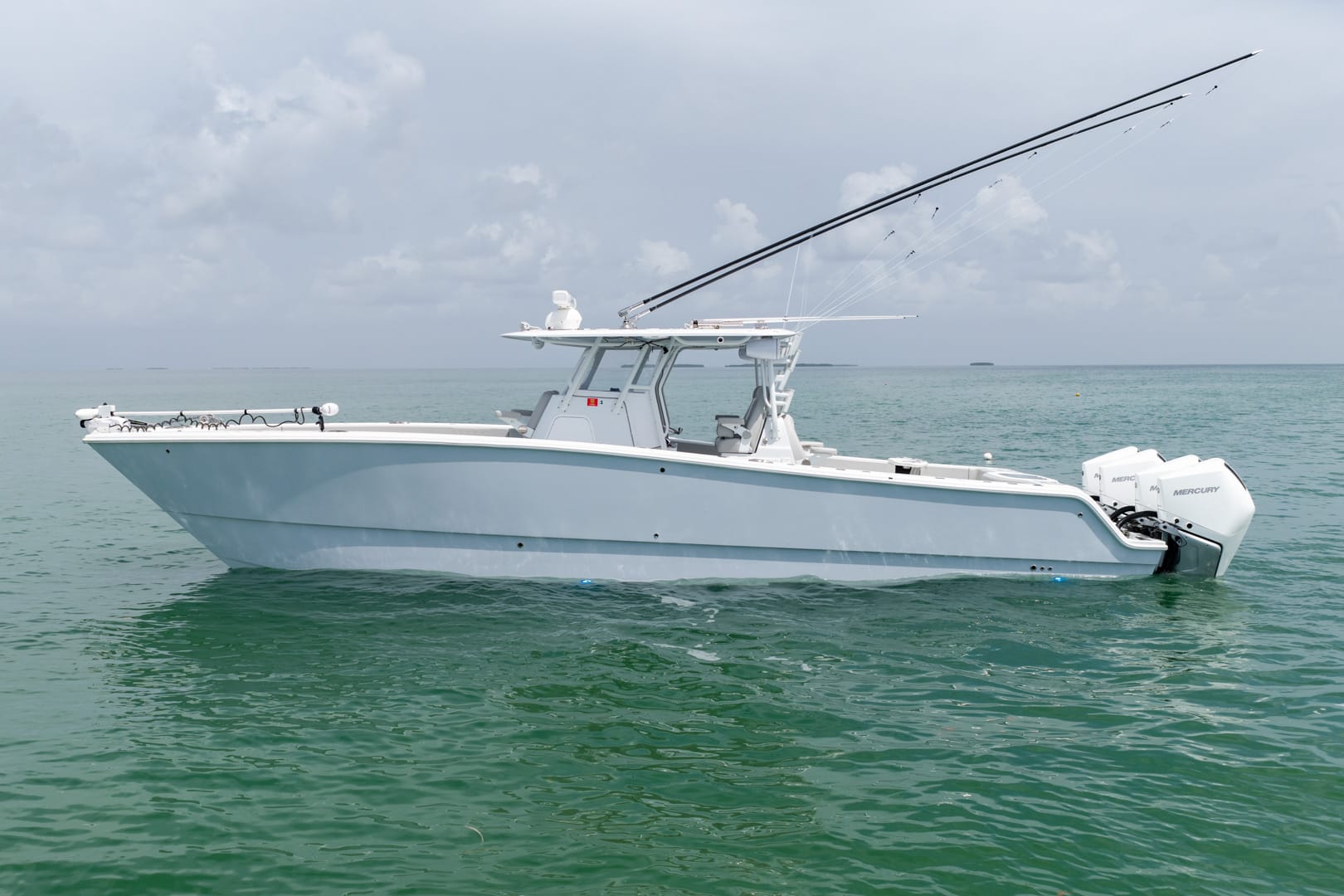
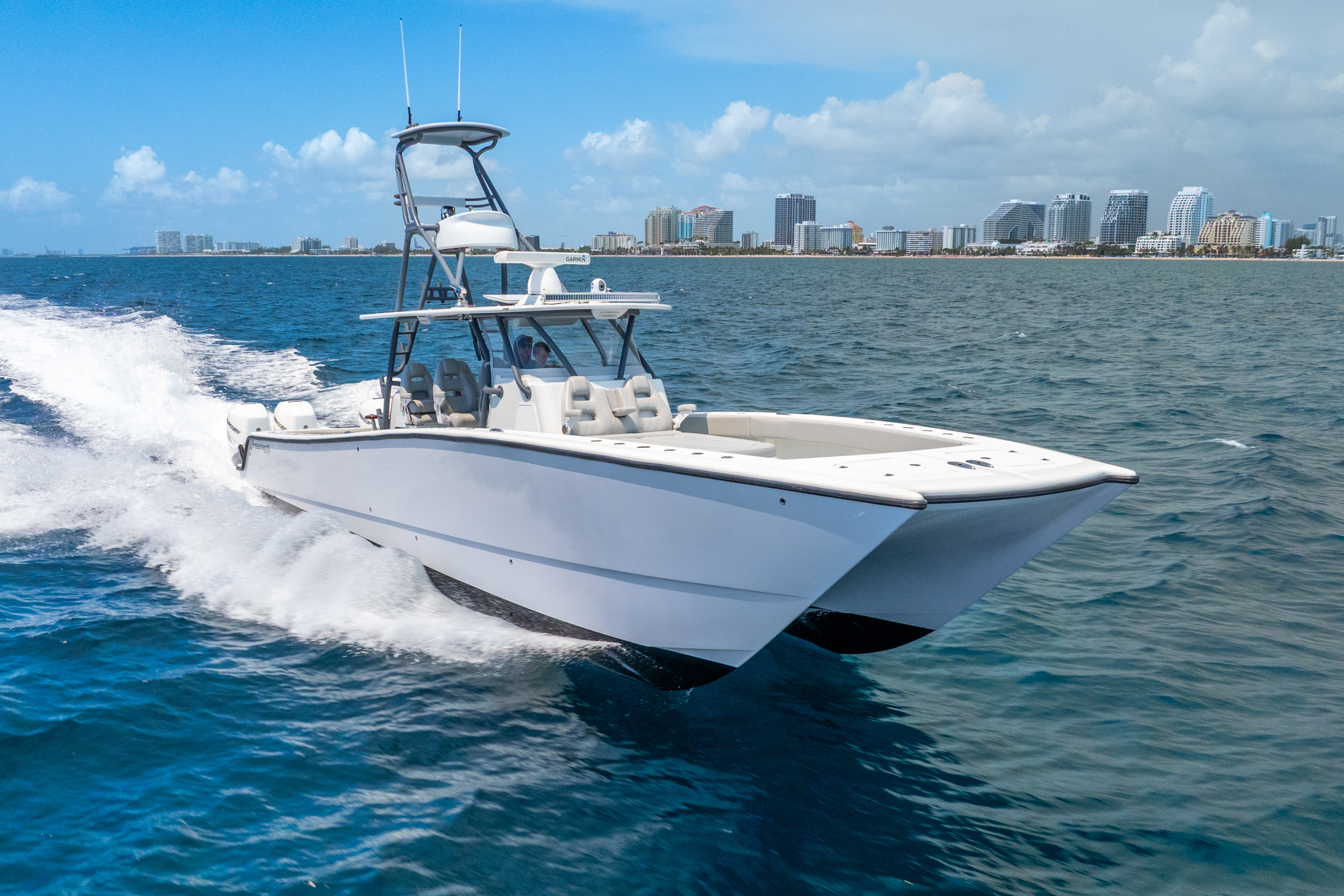
A performance center console might be better presented with a dramatic running shot, a clear profile photograph, the helm, cockpit, and engine configuration.
The ideal sequence depends on the boat.
The important thing is that the first few photographs aren't chosen randomly. They should give buyers a reason to keep exploring.
Aerial Photography Changes How Buyers Understand a Yacht
Some features are difficult to communicate from dock level.
A yacht's overall proportions, deck arrangement, flybridge layout, and exterior entertainment spaces may not be obvious in conventional photographs.
Drone photography can solve that problem.
An elevated perspective gives buyers a clearer understanding of the vessel's design and layout.
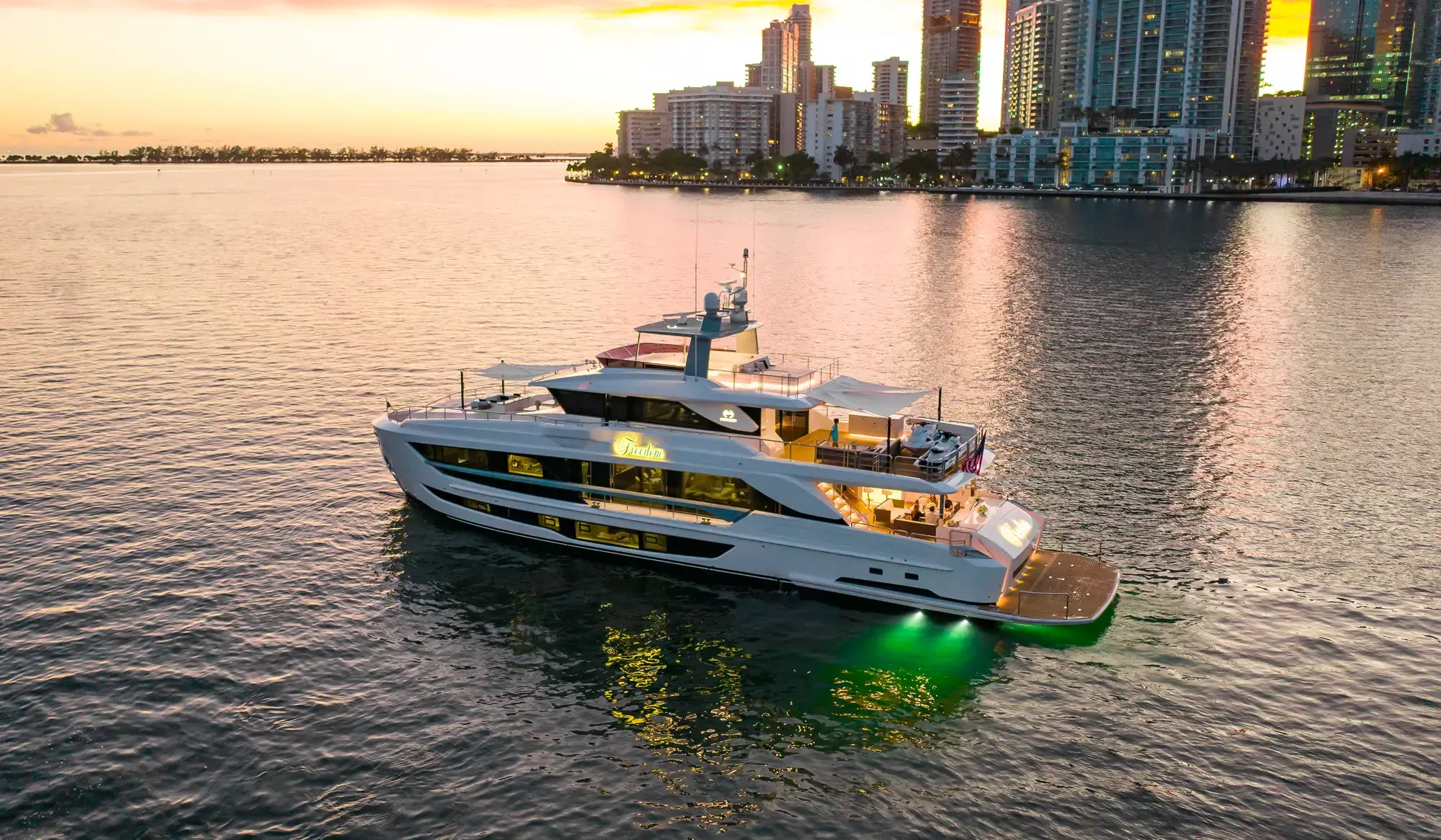
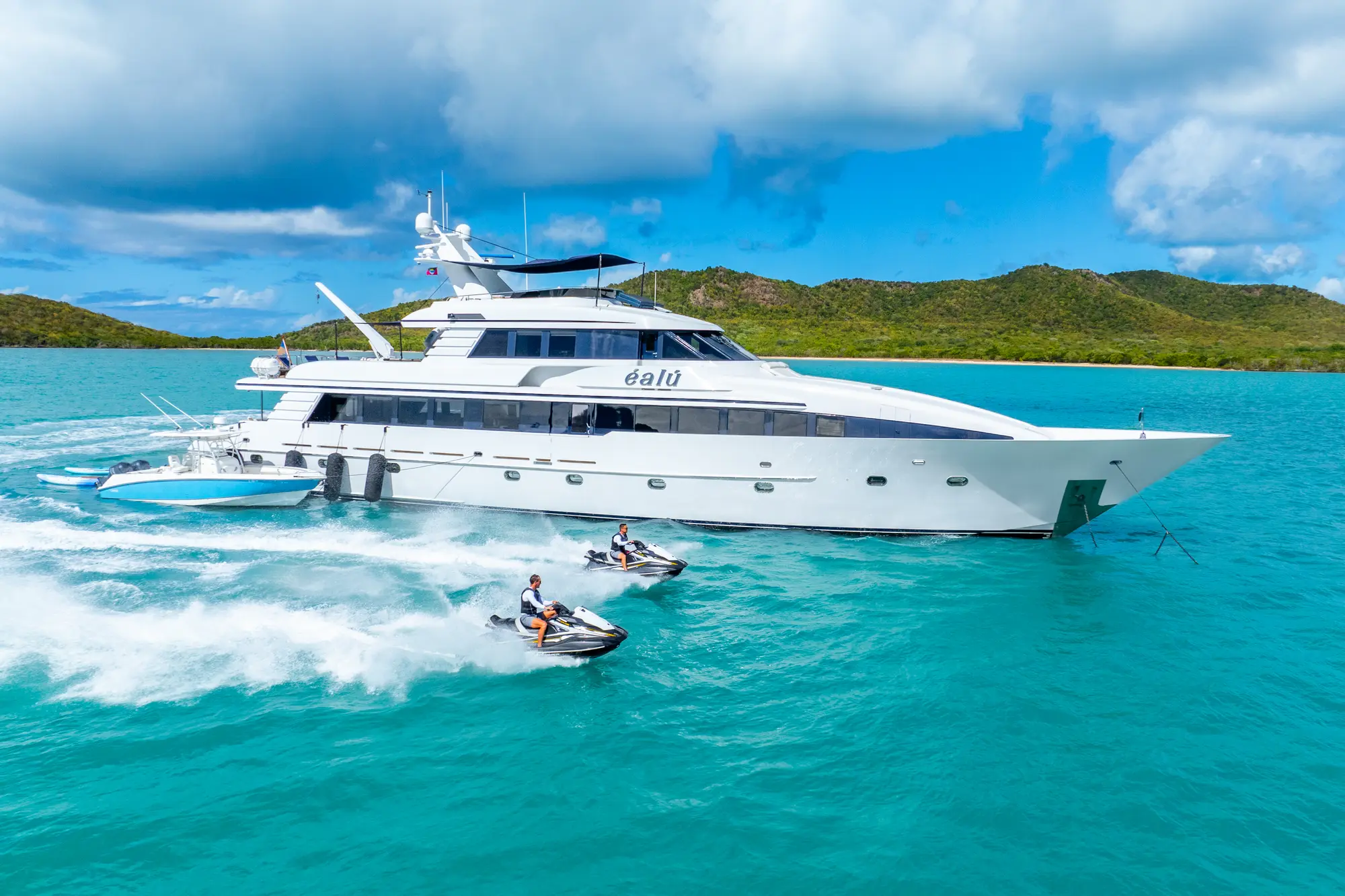
It can also create a more visually compelling opening image, particularly when the yacht is photographed underway or anchored in attractive surroundings.
For larger motor yachts, aerial imagery can help communicate the relationship between the bow, upper decks, cockpit, and swim platform.
For center consoles, an overhead angle can highlight fishing space, seating arrangements, and the overall deck configuration.
Drone photography isn't automatically better than conventional photography, but used strategically, it can reveal details that buyers might otherwise miss.
The Interior Can Make or Break the Impression
Exterior photographs attract attention. Interior photographs often help buyers decide whether the yacht fits their lifestyle.
This is where lighting, composition, and preparation become particularly important.
Luxury yacht interiors can be surprisingly difficult to photograph.
Large windows create strong differences between indoor and outdoor brightness. Reflective surfaces produce unwanted glare. Narrow cabins can look distorted when photographed with inappropriate lenses.
A poorly executed photograph can make a beautiful salon appear dark or much smaller than it actually is.
Professional interior photography addresses those challenges through careful exposure, composition, and lens selection.
The goal isn't to make the yacht look like something it isn't. It's to show the space accurately while presenting it at its best.
That distinction matters because buyers will eventually see the yacht in person.
Photography should build interest without creating unrealistic expectations.
Video Gives Buyers Something Photos Can't
Photographs are essential, but they can't communicate everything.
A buyer may understand what a salon looks like from a photograph without understanding how it connects to the aft deck, galley, or lower accommodations.
Video can provide that missing context.
A thoughtfully produced yacht walkthrough helps viewers understand the flow of the vessel.
They can see how the spaces connect, how large the exterior entertainment areas feel, and how the boat is arranged for everyday use.
For performance boats, running footage can also communicate something that static images struggle to capture: the sound, movement, and experience of being aboard.
A well-produced yacht video can help buyers develop a stronger sense of the vessel before scheduling a showing.
It also gives brokers additional material for websites, social media, and direct communication with interested clients.
Poor Photography Can Make an Expensive Yacht Look Cheap
Consider two similar yachts listed at approximately the same price.
Both have desirable layouts, comparable engine hours, and attractive specifications.
The first listing includes professional exterior photography, bright interior images, aerial shots, and a carefully organized gallery.
The second includes a handful of poorly composed photographs taken at the dock.
Which one is more likely to receive attention?
There's no guarantee the first yacht will sell faster. Price, condition, location, market demand, and broker expertise remain essential factors.
But the first listing is doing a better job of communicating the yacht's value.
That's the problem with poor marketing. It can create an unnecessary disadvantage before buyers have enough information to evaluate the vessel properly.
And unlike market conditions or the yacht's age, listing presentation is something sellers can directly improve.
A Great Listing Does More Than Look Pretty
Professional photography is only one part of an effective yacht listing.
Once the visuals capture someone's attention, the rest of the presentation needs to support that interest.
The description should explain what makes the vessel worth considering.
Specifications should be accurate and easy to find.
Important details such as engine hours, recent upgrades, equipment, accommodations, and maintenance history should be presented clearly.
A listing that looks beautiful but provides little useful information can frustrate serious buyers.
Likewise, a detailed listing with terrible photography may struggle to earn their attention.
The strongest yacht marketing combines both. It creates an emotional reason to look at the vessel and provides the factual information necessary to evaluate it.
Mobile Buyers Are Even Less Patient
Yacht listings aren't only being viewed on desktop computers.
Buyers also browse on phones while traveling, relaxing at home, or comparing boats during conversations with friends and family.
That changes how a listing needs to be presented.
On a small screen, photographs often dominate the experience.
A weak opening image can be especially noticeable, while long blocks of poorly organized text may discourage further reading.
Listings need strong imagery, clear information, and a layout that works naturally on mobile devices.
Video content should also be easy to access without forcing visitors through complicated navigation.
The easier it is to understand a yacht, the easier it becomes for an interested buyer to take the next step.
Social Media Has Changed the Expectations
Luxury buyers are exposed to highly polished visual content every day.
They see professionally photographed real estate, cinematic automotive videos, luxury travel content, and carefully produced product launches.
Yachts are competing for attention in that same visual environment.
That doesn't mean every boat listing needs an expensive advertising campaign. It means buyers have become accustomed to high-quality digital presentation.
A yacht photographed with the same care as a luxury property or premium automobile may be better positioned to capture attention.
Social media also creates additional opportunities for brokers.
A strong collection of photographs and short-form videos can be reused across Instagram, Facebook, brokerage websites, email campaigns, and other marketing channels.
Instead of creating content solely for one listing platform, brokers can develop a coordinated marketing package around the vessel.
The Broker's Reputation Is Part of the Listing
There's another factor that sellers sometimes overlook.
A yacht listing doesn't only represent the vessel. It represents the broker.
When a brokerage consistently publishes polished listings, it can communicate professionalism, organization, and attention to detail.
That matters when yacht owners are deciding who should represent their vessels.
A seller evaluating multiple brokers may look at how each company markets its existing inventory.
Are the photographs consistent? Do the listings look professional? Are the videos useful? Does the brokerage appear to invest in presenting its clients' yachts properly?
The quality of a broker's marketing can influence both potential buyers and future sellers.
That makes professional content more than a tool for promoting one vessel. It can become part of the brokerage's overall brand.
The Real Cost of a Weak First Impression
It's tempting to evaluate yacht marketing entirely through the cost of producing it.
Professional photography costs money. Drone footage costs money. Video production costs money.
But the more useful question is what the marketing is supposed to accomplish.
For a yacht listed at $1.5 million, the goal isn't simply to collect attractive photographs.
It's to generate attention from qualified buyers, communicate the vessel's strengths, and support the sales process.
Better presentation doesn't guarantee a sale, and there is no universal formula connecting photography spending to a higher selling price.
However, weak presentation can create avoidable obstacles.
If potential buyers scroll past the listing, they may never discover the features that make the yacht worth considering.
And if the vessel isn't generating interest, the seller may eventually face pressure to reconsider the asking price.
Improving the presentation is one of the relatively controllable steps that can be taken before assuming price is the only problem.
What Yacht Brokers Should Be Doing Differently
The most effective approach is to think about the listing before the photography session begins.
What makes this particular yacht desirable? Which features distinguish it from competing vessels? Who is the likely buyer? What does that buyer care about most?
A family cruiser should be presented differently from a tournament sportfishing yacht.
A high-performance center console should be marketed differently from a long-range explorer.
Once those questions are answered, the photography and video production can focus on communicating the right features.
The result is a more purposeful listing rather than simply a larger collection of photographs.
Final Thoughts
The first 10 seconds of a yacht listing aren't the entire sales process.
A buyer still needs to evaluate the vessel's condition, specifications, maintenance history, price, and suitability.
But those first few seconds can determine whether the buyer ever reaches that stage.
In a competitive market, strong presentation helps a yacht earn the attention it deserves.
Professional photography, strategic video production, carefully selected opening images, and clear listing information all contribute to that experience.
For yacht brokers and sellers, the opportunity is straightforward.
If you're asking buyers to take a million-dollar yacht seriously, its online presentation should reflect that value.
At Boats Daily, we help yacht brokers, dealerships, and owners present their vessels through professional yacht photography, drone imagery, video production, and digital marketing.
Because before someone can fall in love with a yacht in person, they usually need a reason to click on the listing.